Axolotl: The Peculiar Mexican Amphibian and Its Extreme Regeneration
The axolotl is a fascinating amphibian, known for its unique ability to regenerate. This peculiar creature is not only a marvel of nature but also a symbol of conservation and scientific research.
The Fascination of the Axolotl
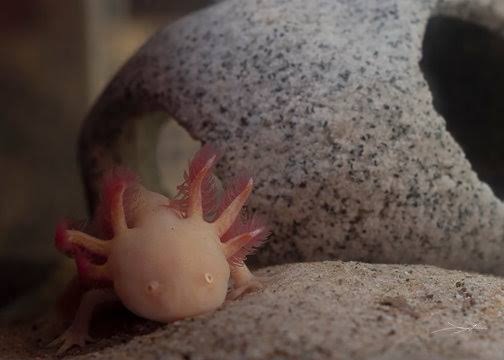
As we dive into the world of the axolotl, we are immediately captivated by its eccentric appearance. With an elongated and robust body, this amphibian displays features that enchant and fascinate. Its external gills, with a vibrant pink or red hue, stand out like crowns of majestic pines, dancing delicately in the water. This beauty is not merely superficial; every aspect of its form is a testament to the incredible adaptation that allows it to survive in aquatic environments.
A Cultural Icon of Mexico
The axolotl is more than just a fascinating being of nature; it holds a cherished place in Mexican culture. Ancient cultures, such as the Aztecs, revered this curious creature, associating it with legends and mythologies. For many, it symbolizes the connection between life and water, echoing the importance of aquatic ecosystems in Mexico. In San Luis Potosi, its image appears in artworks, while animated characters and consumer products bring its iconic form to a new generation. This phenomenon of adoration, in turn, reflects a timeless quest for protection and preservation.
The Axolotl in Science
Beyond its cultural role, the axolotl stands out in the scientific realm. Researchers are increasingly intrigued by its regenerative capabilities. This amphibian not only survives in constantly changing environments but also has the power to regenerate lost limbs. What may seem like a miracle to many is a vital field of study that could revolutionize our understanding of regeneration in vertebrates. As we progress through the following sections, we will see how this biological uniqueness can unveil secrets that go far beyond the axolotl. Thus, nature presents us with yet another mystery, and together, we delve into the extraordinary story of regeneration.
Regeneration: A Biological Miracle
Approaching the crystal-clear waters of Mexican lakes, we find the axolotl, a marvel of evolution with regenerative abilities that challenge scientific understanding. This amphibian, with its impressive capacity to reconstitute limbs, tissues, and even parts of the heart, is a true biological miracle. Its regeneration is not just a curiosity of nature; each process in its repair offers valuable clues about genetics, cellular biology, and regenerative medicine.
The Regeneration Process
When an axolotl loses a body part, such as a leg, an extraordinary set of events begins. First, the cells at the injury site cluster to form a structure known as a blastema. This group of progenitor cells is akin to a machine in that much of it is programmed to transform into various types of tissues, including muscle and cartilage. Furthermore, regeneration involves complex interactions of molecular signals, which orchestrate the cells to replicate their pre-existing forms. This depth of coordination contributes to the efficiency of the process.
Recent Research and Its Implications
Recent studies have revealed the crucial role of specific genes known as ‘transcription factors’ in regeneration. Researchers have observed that manipulating these genes in axolotls could further enhance their regenerative capabilities. Moreover, this research sparks interest in applying such knowledge to human medicine, where tissue regeneration could revolutionize treatments for injuries and chronic diseases. Thus, the axolotl’s regeneration becomes a fertile field not only for understanding biology but also for the possibility of cures that could transform modern medicine.
As we explore the wonders of axolotl regeneration, it is vital to recognize that these discoveries are intertwined with the threats this incredible being faces in its habitat. The future of the axolotl and the lessons it offers us are at stake, waiting to be told in our next chapter.
Conservation and Environmental Challenges
The axolotl, one of nature’s most intriguing creatures, faces a silent battle against extinction. This amphibian, known for its incredible regenerative capacity, is also a symbol of the fragility of biodiversity. Unfortunately, the degradation of its habitat in Lake Xochimilco, Mexico, represents a devastating blow to the species’ survival.
Threats to the Habitat
The threats to the axolotl are multiple and interconnected. Among them, rampant urbanization is one of the most critical. The growth of cities has led to pollution and the introduction of invasive species that compete for resources. Additionally, intensive agriculture and water extraction have drastically reduced the available aquatic area. Thus, these factors not only threaten the life of the axolotl but also affect the complex ecological network that depends on this habitat.
Conservation Initiatives
Despite the challenges, conservation initiatives have been successfully implemented. Aquatic ecosystem rehabilitation projects aim to restore the health of natural environments. Non-governmental organizations, along with the Mexican government, have been working on creating reserves and educating local communities about the importance of the axolotl. The role of the axolotl in scientific education also stands out, as raising public awareness is crucial for conservation.
The future of the axolotl, therefore, depends not only on the protection of its habitat but also on a shift in collective consciousness. Only then can we ensure that this remarkable amphibian continues to thrive in its aquatic home.
The Role of the Axolotl in Scientific Education
In a world filled with natural wonders, the axolotl stands out as one of the most incredible examples of the beauty and complexity of life. This remarkable amphibian, native to the lakes of Mexico, not only fascinates biologists but also serves as a powerful educational tool. By exploring biology, ecology, and conservation through the axolotl, educators are helping to shape the next generation of scientists and environmentalists.
A Case Study on Regeneration
From its impressive regenerative capabilities to its adaptations to aquatic environments, the axolotl offers a unique window into the basic concepts of biology. Students can observe how this organism is capable of regenerating limbs, parts of the heart, and even sections of the brain. Through hands-on experiences, students not only learn about the development-regeneration axis but also explore the bioethics related to regeneration research, which has significant implications for human medicine.
Conservation and Sustainability
Beyond its role in biology, the axolotl also acts as an important symbol of conservation. As students study the axolotl’s struggle to survive in a threatened habitat, they are exposed to broader issues of ecology and sustainability. This practical knowledge can ignite a passion for environmental protection, showing that small actions can lead to significant changes. The axolotl, with its unique characteristics, effectively transforms abstract concepts into tangible realities, encouraging a new era of learning and awareness.
As we delve into this fascinating topic, it is imperative to continue the discussion about the future of the axolotl and the hopes and challenges it faces in conservation and scientific research.
Future of the Axolotl: Hopes and Challenges
As the sun sets over the remnants of the lakes of Xochimilco, a question resonates in the minds of scientists and environmentalists: what will be the future of the iconic axolotl? This amphibian, which symbolizes resilience, faces an uncertain fate. However, what motivates us to continue the fight for its preservation are the new layers of understanding and hope that emerge in research about this fascinating creature.
Conservation Initiatives
Currently, several conservation initiatives are being implemented to protect axolotl populations. Breeding areas have been established, where scientists work to restore the natural habitat of these animals. Additionally, environmental education programs seek to raise awareness among local communities about the importance of preserving these habitats. Legal protection measures are also under discussion, aiming to increase protection against pollution and the destruction of their aquatic environments.
Scientific Research and the Potential for Medicine
Scientific research on axolotls is not limited to conservation. The study of the regeneration that this amphibian possesses holds the promise of innovative medical applications. Scientists are investigating how the axolotl regenerates its limbs. This knowledge may offer valuable insights for human regenerative medicine. Therefore, by preserving the axolotl, we are also safeguarding an invaluable potential for the advancement of science. Thus, as we look to the future, it is essential to continue investing in conservation efforts and scientific research. As we observe the quest to understand the key to regeneration, the axolotl is not only a symbol of resilience but also a beacon of hope amid significant environmental challenges. As we head into the next chapter, where we will explore the unique characteristics of a deep-sea dweller, the red-lipped batfish, we invite you to continue this fascinating journey through the diversity of life on Earth.
Conclusions…
In summary, the axolotl is not only an admirable specimen of biodiversity but also a crucial piece in studies of regeneration and conservation. Its preservation is fundamental to the balance of Mexican ecosystems and provides valuable insights for science. By understanding and appreciating this unique amphibian, we contribute to the valuing of biodiversity and conservation efforts.
Did You Know?
What is the axolotl?
The axolotl is an aquatic amphibian native to Lake Xochimilco, Mexico, famous for its regenerative ability.
What is the axolotl’s main characteristic?
Its main characteristic is regeneration; it can regenerate body parts, including limbs and even some sections of the brain.
Where does the axolotl live?
The axolotl is native to the freshwater of Lake Xochimilco but now faces extinction in its natural habitat due to urbanization and pollution.
Is the axolotl endangered?
Yes, the axolotl is critically endangered due to habitat loss and the introduction of invasive species.
Why is the axolotl important for science?
It serves as a research model in regenerative biology, helping scientists understand complex regeneration processes that may have medical applications.
What is the axolotl’s diet like?
The axolotl is carnivorous and primarily feeds on worms, insects, and small crustaceans.
What is ‘neoteny’ in the axolotl?
Neoteny means that the axolotl retains larval characteristics throughout its life, such as external gills, even in adulthood.
What is the ideal habitat for the axolotl?
The ideal habitat of the axolotl is in cold, clean waters rich in aquatic vegetation, where it can hide and feed.