Calango: The Small Predator Lizard of Brazilian Nature
The calango is a small, agile lizard known for its essential role in maintaining ecological balance. As a natural predator of scorpions, it plays a vital role in Brazil’s wildlife.
Getting to Know the Calango: Characteristics and Habitat
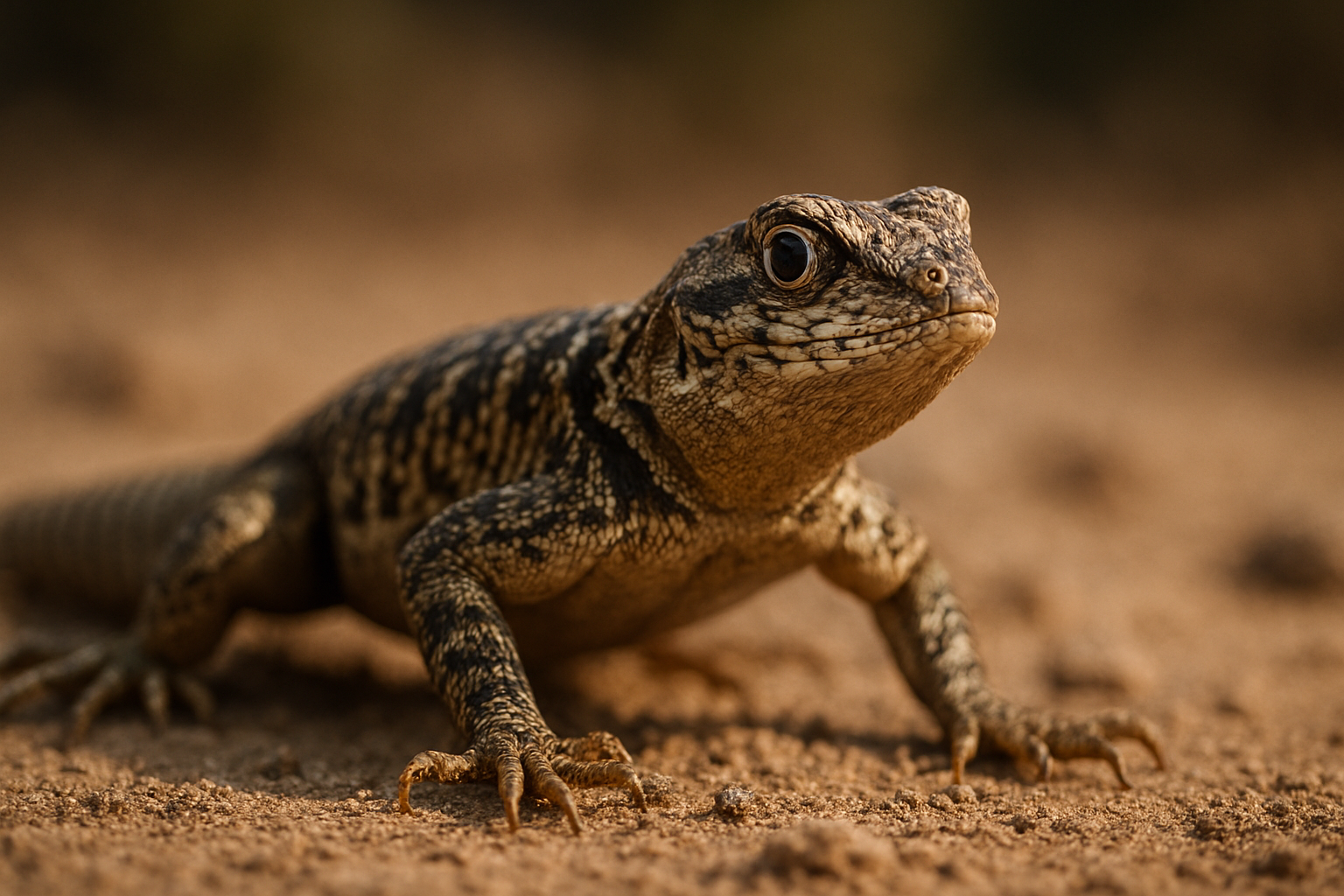
Let’s leave behind the bustling surface and dive into the life of a remarkable inhabitant of Brazilian soils, the calango. This small predator, whose name sparks curiosity, hides a myriad of fascinating traits. Calangos, with their modest size rarely exceeding 12 inches, are masters of camouflage. Their mimetic coloring varies widely, adapting to the specifics of local soil or vegetation, allowing them to effectively evade predators.
These creatures prefer warm, dry environments as they rely on heat to regulate their body temperature. Due to their need for sun, they are often found basking on rocks or branches during the day. The Cerrado biome, with its vast open areas and sparse tree vegetation, serves as the primary stage for these lizards’ daily activities. Besides the Cerrado, they adapt well to caatinga regions and urban areas, where human presence modifies but does not eliminate their survival opportunities.
To learn more about the calango’s interaction with other species and its role in the ecosystem, visit this post about the diversity of scorpion fauna, often hunted by these agile lizards. In the next chapter, we’ll explore the calango’s role as a predator, particularly how they impact the local scorpion population, providing natural pest control and benefiting both the environment and humans.
The Calango as a Predator: Hunting Scorpions
As we explore the intricate web of Brazilian biodiversity, we encounter the calango, a notable predator that plays a crucial role in pest control, especially in managing scorpions. This small lizard, armed with agility and refined hunting strategies, is a fascinating example of adaptation and survival. Calangos, due to their agility and camouflaging skills, are effective hunters of arachnids. With their quick and precise movements, they can capture scorpions, a challenge for many due to the dangerous venom. The calango’s ability to handle such prey highlights not only its importance in the food chain but also in controlling the scorpion population, which can be problematic, especially in urban areas. Physical adaptations like sharp claws and a quick tongue allow the calango to capture scorpions before they can react. Behaviorally, they use a ‘wait and attack’ approach, remaining still until a scorpion passes by unsuspectingly. These hunting strategies not only mark them as formidable predators but also have a significant impact on the ecosystem, keeping potential pest populations in check. For more details on how impactful scorpions can be in urban environments, visit our detailed article on the ‘giant forest scorpion’ here: giant forest scorpion. The calango’s influence extends beyond regulating scorpion species, significantly contributing to biodiversity and ecological balance. The effectiveness of these natural predators reduces the need for chemical pest control methods, which can have negative side effects on the environment and human health. As we advance in understanding these small yet mighty warriors, we further appreciate their contribution and the need to protect such species within our ecosystem.
Behavior and Life Cycle of the Calango
Following the previous chapter that explored the extraordinary diversity of calango species, we now take a closer look at the behavior and life cycle of these fascinating lizards. With their cunning behavior, calangos are a pristine example of adaptation and survival in the varied Brazilian biomes. Calangos are predominantly insectivorous, feeding on a wide variety of insects and arachnids. This appetite places them in a vital position in regulating the populations of these animals, as highlighted in a study on the Natureza Incomum blog. The biological control they exert contributes significantly to the stability of the ecosystems they inhabit. Regarding reproduction, calangos have a seasonal cycle. The female can lay two to five eggs in safe, hidden locations, offering the young a better chance of survival after hatching. This reproductive behavior, emphasized during the hotter and wetter season, is critical for the species’ perpetuation. Surprisingly agile, the calango also has well-developed defense systems. From camouflage, which allows it to hide from predators and prey, to quick and erratic movements to escape threats. These strategies are vital as they often occupy the middle of the food chain, being both prey and predator. With this in mind, we eagerly anticipate the next chapter, where we will discuss ‘The Ecological and Cultural Importance of the Calango.’ This next segment will delve deeply into how these small predators not only control insect and arachnid populations but also how they have been integrated into local cultures, highlighting their relevance not only ecologically but also culturally.
The Ecological and Cultural Importance of the Calango
Delving into the complexity of the ecosystems they inhabit, the calango emerges as a fundamental piece in nature’s delicate balance. With its voracious appetite for insects and arachnids, this small reptile not only controls these populations but also prevents them from reaching levels that could be harmful to crops and humans.
Ecological Guardian
The calango, perhaps unknowingly, diligently performs an essential task: it devours an impressive amount of insects and spiders. This action, simple in appearance, is a crucial ecological service as it reduces the need for chemical pesticides, often harmful to the environment. However, it’s not just agriculture that benefits. The natural balance of species coexisting in the same habitats depends, in part, on this small predator.
Cultural Resonance
In Brazilian culture, the calango is more than just an animal; it is a symbol of resilience and adaptation. Stories and myths about these lizards circulate in local communities, often portraying them as cunning and resilient. Various Brazilian festivals and popular songs reference the calango, praising its agility and dexterity, which also serve as metaphors for the qualities of the people from the hinterlands. This cultural respect elevates the status of the calango, not only as a biological component but as a significant cultural icon.
Therefore, the importance of the calango extends beyond its ecological functions, entering the cultural and emotional spheres of Brazilian life. In short, it is not just a pest controller but a central character in many narratives and cultural practices. As we advance in understanding this fascinating reptile, the next chapter will explore the threats the calango faces, as well as the curiosities that make this animal unique in its environment.
Protection and Curiosities About the Calango
Conclusions…
The calango is a fascinating example of the diversity and ingenuity of Brazilian fauna. Small, agile, and a natural predator of scorpions, it helps control populations of these arachnids, contributing to the balance of local ecosystems. Additionally, its behavior and adaptations reveal much about the interaction of species in nature, which is full of mysteries and surprises. By exploring the life of the calango, we realize how important it is to value every creature and the role they play in the environment. Our commitment is to provide a different perspective on fauna and flora, revealing curious and often unbelievable details. Nature is not just beautiful – it is ingenious, mysterious, and, above all, full of secrets waiting to be discovered. Here, we aim not only to inform but also to inspire. We want to awaken the same enchantment we feel when seeing a firefly light up the night or hearing a frog mimic the sound of rain. Did you enjoy this post? Like, comment, and share so we can keep creating!
Did You Know?
What is a calango?
The calango is a small lizard, a reptile mainly found in Brazil, known for its agility and predatory ability.
What is the calango’s diet?
The calango is a predator that primarily feeds on insects and small arachnids, including scorpions.
Why is the calango important to the environment?
As a natural predator of scorpions and other small animals, the calango helps control these populations, maintaining ecological balance.
Where can calangos be found?
They are found in various regions of Brazil, especially in open areas like the Cerrado, caatinga, and beaches.
Is the calango dangerous to humans?
No, the calango poses no danger to humans; it is shy and prefers to avoid contact.
How does the calango hunt scorpions?
The calango uses its agility to capture scorpions, being one of the few natural predators of these arachnids.
What are the physical characteristics of the calango?
It has a small body, long tail, skin covered in scales, and coloring that varies for camouflage.
Do calangos have any cultural or popular role in Brazil?
Yes, in many regions they are seen as symbols of agility and resilience and are present in popular expressions.