The Fascinating World of the Broad-Nosed Weevil: A Small Beetle with Big Habits
The broad-nosed weevil, with its remarkable elongated nose, is a small beetle that plays an essential role in nature. This article reveals how it impacts the environment while its fascinating characteristics attract the curiosity of biology enthusiasts.
Striking Features of the Broad-Nosed Weevil
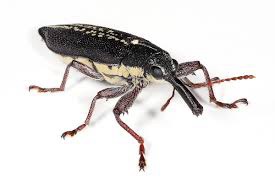
In the heart of the Australian forests, a small giant stands out: the broad-nosed weevil. With its robust body, reaching about 1.5 centimeters, it possesses a striking feature that fascinates entomologists and curious minds: its long, curved nose. This distinct shape is not just an eccentricity; it is the key to the survival of this intriguing beetle.
The Functioning of the Long Nose
The nose of the broad-nosed weevil, known as the rostrum, has peculiar adaptations that facilitate its search for food. With it, the insect can pierce through layers of tree bark and branches, reaching the most nutritious parts. Moreover, this extension helps to avoid predators, as most animals cannot detect the weevil, which camouflages itself with the tree bark.
Additionally, the shape of the rostrum is essential during reproduction. In the courtship dance, males and females are attracted by specific aromas produced by plants. Males, using their long rostrum, can access hard-to-reach areas, making them more attractive to females.
Colors and Texture as Camouflage
Another fascinating aspect of the broad-nosed weevil is its coloration. The insect’s skin varies between shades of brown and green, allowing for effective camouflage against vegetation. This visual protection, along with its ability to remain motionless, is vital to avoid being seen by predators, including birds and other carnivorous insects. This ability to blend in with the environment is comparable to other incredible insects that inhabit our planet.
Thus, as we explore more about the life cycle of the broad-nosed weevil, we will see how these characteristics impact not only its way of living but also its interaction with the ecosystem around it.
The Life Cycle of the Weevil
At the core of the forest, where life intertwines in a complex dance, resides the broad-nosed weevil (Rhinotia hemistictus). This small beetle begins its life journey in a fascinating cycle that reveals the ingenuity of nature. From oviposition to adulthood, each stage of this cycle has unique characteristics that impact not only the weevil but also the ecosystem in which it resides.
Oviposition and Larval Development
The story begins when the female broad-nosed weevil deposits her eggs in an environment rich in organic matter, usually under the bark of dead trees. There is a reason for this choice: the habitat provides a constant food supply for the emerging larvae. After a few days, the eggs hatch, giving rise to larvae that feast on the decomposition of wood. During this phase, the weevil plays a crucial role in nutrient recycling, contributing to soil health.
Metamorphosis and the Adult Stage
As the larvae develop, they undergo metamorphosis, culminating in a robust adult stage. This process, marked by physical transformations, also brings behavioral adaptations. Once adults, the weevils begin to explore new niches, feeding on leaves and flowers. This dietary change not only sustains their growth but also has a direct influence on the balance of local flora. In a subtle way, the actions of the broad-nosed weevil reverberate throughout its habitat, like a solitary conductor leading a symphony of life. Thus, as we explore the interaction with the ecosystem, we encounter the importance of this small creature. Its life cycle is not just a narrative of growth but an affirmation of the integration between species in the vast theater of nature.
Interaction with the Ecosystem
As we delve into the intriguing world of the broad-nosed weevil, we encounter a small being that plays crucial roles in its ecosystem. This seemingly insignificant insect, with its remarkable nose length, is more than a curiosity of nature; it is a vital agent in the health of its habitats. The broad-nosed weevil presents a complex relationship with various species, directly influencing the ecological dynamics of its surroundings.
Symbiotic Relationships
The interaction of the weevil with plants and fungi is particularly fascinating. This beetle is known to feed on the roots of different plants, aiding in the formation of mycorrhizal complexes. These organisms, in symbiosis with plants, enhance nutrient absorption. Thus, the weevil not only feeds but also contributes to soil health and plant fertility. Moreover, its feeding habits attract natural predators, thereby regulating the population of other pests.
Contribution to Decomposition
It is important to highlight the fundamental role that the broad-nosed weevil plays in decomposition. When these insects consume organic matter, such as dead leaves and decaying wood, they are, in fact, facilitating the nutrient recycling process. This often-overlooked act ensures that essential elements return to the soil, promoting a healthy life cycle. Without the presence of the weevil and similar insects, the balance of the ecosystem would be compromised.
As we consider the ongoing struggle of the broad-nosed weevil to survive, it is essential to recognize its ecological importance. In the next chapter, we will explore the conservation challenges that these small beetles face in a rapidly changing world.
Conservation Challenges
In the vastness of the ecosystems that harbor the broad-nosed weevil, a silent crisis unfolds. This charming beetle, Rhinotia hemistictus, almost invisible in its inhibitions, is a witness to the growing threats posed by human activity and climate change. The future of this small giant depends on our recognition of this alarming scenario.
Habitat Loss
The first and most critical threat to the broad-nosed weevil is habitat loss, resulting from urbanization and agricultural exploitation. The native meadows, where this insect typically resides, are rapidly disappearing. The trees that provide food and shelter are being cut down, pushing these beetles into increasingly restricted areas. Therefore, the preservation of these areas is of utmost importance.
Climate Change
Furthermore, climate change intensifies these challenges. Temperature fluctuations and unpredictable weather patterns affect the life cycle of the weevils, limiting their ability to reproduce and survive. In response, it is crucial to adopt conservation practices that include habitat restoration and the creation of ecological corridors, providing the weevil with a safe space to thrive. Beetles like the broad-nosed weevil play a vital role in ecological balance, and losing these creatures would be an irreparable blow to the diversity of our planet. Therefore, uniting efforts for conservation is our duty. Awareness and collective action can make a difference, bringing hope for a future where the broad-nosed weevil continues to flourish. Thus, as we advance in our journey, it is imperative that we remember the delicate balance that sustains life on our planet.
Curiosities about the Broad-Nosed Weevil
Diving even deeper into the fascinating universe of the broad-nosed weevil, we find a series of curiosities that not only delight but also intrigue. These small beetles, with their distinct broad noses, are more than a visual treat in nature; they possess habits and characteristics that deserve our attention and admiration.
The Weevil’s Strange Appetite
Did you know that Rhinotia hemistictus has a peculiar palate? This beetle is a true gourmet of its environment. Weevils often feed on specific plants, being particularly attracted to species from the legume family. Moreover, they actively engage in the detritus process, transforming dead vegetation into nutrients, thus contributing to the cycle of life in their habitats.
Incredible Camouflage
Surprisingly, these insects possess an exceptional ability to camouflage, which protects them from predators. During their lifestyle, they blend into the environment using their coloration, which mimics the appearance of the surrounding vegetation. This disguise is a testament to the adaptive evolution of Rhinotia hemistictus, a behavior that many animals adopt to ensure their survival.
Finally, it is fascinating to observe how the broad-nosed weevil is not just a simple insect but a vital piece in the complex machine that is nature. As we explore more about this intriguingly curious beetle, it is impossible not to associate it with the larger world of creatures that inhabit our planet. In the next chapter, we will delve into a completely different universe, now focusing on the intriguing giant hornet, which, although distant from Rhinotia hemistictus, also presents its own wonders.
Conclusions…
The broad-nosed weevil is a small wonder of nature. With a significant impact on its habitat, its uniqueness should not be underestimated. Contributing to the health of the ecosystem, its fascinating biology and intriguing behavior highlight the importance of preserving such organisms. Learning about Rhinotia hemistictus is not just about curiosity, but also about recognizing the complexity and interconnectedness of the life that surrounds us.
Did You Know?
What is the broad-nosed weevil?
It is a beetle characterized by its elongated nose, used to pierce wood and lay eggs.
What is the habitat of Rhinotia hemistictus?
This beetle primarily inhabits forests where it can find suitable wood for oviposition.
How does the broad-nosed weevil impact the ecosystem?
It contributes to the decomposition of wood, helping to recycle nutrients in the soil.
What do weevils eat?
They feed on wood, especially when injecting their eggs into it as part of their reproductive cycle.
Do they have predators?
Yes, birds and other insects feed on weevils as part of their diet.
What is the importance of studying weevils?
Understanding their ecological role can aid in the conservation of their habitats and biodiversity.
How can I identify a broad-nosed weevil?
They are small, with a long, curved nose, usually found in forest environments.
Are they endangered?
Although not widely threatened, habitat destruction can negatively impact them.