The Fascinating World of the Madagascar Cockroach
The Madagascar cockroach, an impressive creature, is not just any insect. With its unique ability to whistle, this remarkable being is a perfect example of the beauty of biodiversity. This article will explore its characteristics, habitat, behavior, and the importance of this species to the ecosystem.
Amazing Physical Characteristics
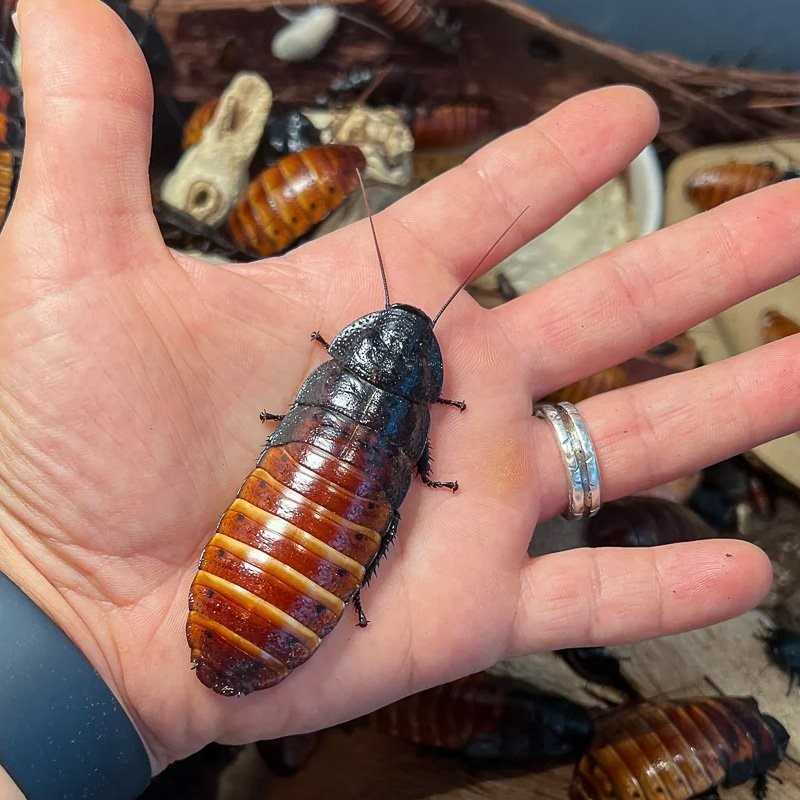
In the vast tapestry of wildlife, the Madagascar cockroach stands out not only for its history but also for its impressive physical characteristics. This creature, which can reach over 10 centimeters, is one of the largest cockroaches in the world. Its size is not just an evolutionary eccentricity; it is a crucial adaptation that helps it deal with predators. Its grandeur commands respect, serving as a powerful deterrent against many smaller creatures that might investigate or attack it.
Its brown coloration, resembling dry wood, offers perfect camouflage among the leaves and debris where it prefers to hide. By blending into its environment, it protects its robust body from predators. The long, sensitive antennae help it navigate dark environments, detecting dangers and food with remarkable efficiency.
The body structure of the Madagascar cockroach is designed for agility and survival. Its rigid exoskeleton not only protects its internal organs but also makes it more resistant to dehydration. The ability to glide, thanks to its long legs and wing membranes, provides an impressive escape when threatened. Moreover, its resilience in living in hostile environments, such as tropical forests, makes it a remarkable example of adaptation and endurance.
To learn more about the diversity of creatures inhabiting our forests, we recommend taking a look at this fascinating article about the orca.
The Whistle as a Form of Communication
The Madagascar cockroach possesses a unique ability: the whistle. This sound, which resonates in the forest, serves essential purposes. Firstly, it acts as a means of communication among cockroaches. These social insects use whistles to alert and coordinate activities within their groups. The symphony of whistles blends into the environment, creating an invisible dialogue among individuals.
But how does this sound emission occur? The Madagascar cockroach moves its respiratory glands to generate the characteristic whistle. This sound is, in fact, a combination of air expelled through a constriction in the respiratory tract. The intensity and duration of the whistle can vary, communicating different messages.
Besides communicating, the whistle plays a crucial role in defense. When threatened by predators, these cockroaches emit a loud whistle that can disorient or scare off attackers. Therefore, the whistle acts as an alert, not only for group members but also as a survival strategy. This fascinating aspect of communication underscores the complexity of cockroach life. Although often seen as filthy creatures, the Madagascar cockroach reveals a world of interaction and adaptation. In an environment where survival is a matter of life or death, each whistle is a note in the symphony of wildlife. To understand more about the intriguing social behavior of insects, you can explore this topic on animal communication.
Habitat and Behavior
Madagascar cockroaches inhabit lush tropical forests, an endless source of sustenance and shelter. These forests, with their dense canopies and rich vegetation diversity, provide an ideal environment for them. Various species of trees and plants create a microcosm where these creatures adapt and thrive. The forest floor, covered with fallen leaves, is an excellent location for these cockroaches, as it provides not only shelter but also an abundance of organic matter and decomposers that are vital to their diet.
Madagascar cockroaches are omnivorous, feeding on decomposing matter, fungi, and even the droppings of other animals. This foraging behavior intensifies at night when temperatures drop. The darkness offers protection from predators, allowing them to search for food safely. They use their long, sensitive antennae to orient themselves and locate food sources.
The social interaction among cockroaches is also intriguing. They communicate through pheromones, which convey information about the environment, such as the presence of food or the location of shelter. Other species exhibit colonial behaviors, where they gather in groups to increase protection against predators. Thus, the natural habitat of the cockroach not only shapes its diet but also influences its social behavior regarding grouping and communication, essential for its survival. To learn more about how insects interact with their environment, click here.
Ecological Importance
The Madagascar cockroach, with its impressive size and unique appearance, plays a crucial role in its ecosystem. This insect, although often misunderstood, is a vital decomposer in the tropical forests of the island. By feeding on organic matter, such as dead leaves, animal remains, and other debris, the cockroach contributes to nutrient recycling.
The decomposition process is fundamental to the balance of the ecosystem. When this cockroach feeds, it not only helps break down materials but also enriches the soil with essential nutrients. This, in turn, promotes plant growth, which is the foundation of the food chain. Thus, cockroaches promote the health and fertility of the environment they inhabit.
Another important aspect is its role in the food chain. The Madagascar cockroach serves as food for various predator species, from birds to small mammals. Its presence ensures that these predators find a food source, contributing to biological diversity.
Moreover, cockroaches also help in the formation of habitats. By hiding in holes and crevices in the soil, they create small microhabitats that can shelter other organisms. This behavior not only directly impacts local biodiversity but also allows for the coexistence of various species in a relatively small space. For those interested in the effects of biodiversity in nature, observing the Madagascar cockroach is profoundly revealing, as are the fascinating principles of adaptation that govern the natural world, as discussed in this article.
Conservation and Future
Madagascar cockroaches, with their impressive beauty and uniqueness, face a series of threats. Deforestation, resulting from intensive agriculture and logging, is one of the main challenges. With their natural habitat being drastically reduced, these precious insects fall victim to the loss of shelter and food. Increased urbanization also contributes to the fragmentation of their populations, making movement and consequently reproduction more difficult.
Another alarming factor is the introduction of exotic species, which compete for resources and can directly threaten the survival of the Madagascar cockroach. Non-native predators disrupt the delicate balance of the ecosystem, leaving the cockroach vulnerable in its own environment. Climate change, by altering weather patterns, directly affects the availability of suitable habitats.
To ensure the preservation of this fascinating member of the Animal Kingdom, conservation efforts are crucial. The creation of protected areas, where their habitat can be preserved and restored, is essential. Environmental education programs can raise awareness among local communities about the importance of the Madagascar cockroach, promoting its protection.
Scientific research also plays a vital role. Studies on its behavior and ecology can inform future conservation strategies. Like many other species, Madagascar cockroaches deserve careful and respectful attention. Protecting biodiversity can be seen as a reflection of our own humanity and responsibility. For an example of how species conservation can be approached, refer to the article about the elephant, the gentle giant of nature.
Conclusions…
The Madagascar cockroach, with its distinct whistle and unique characteristics, is a testament to the diversity that nature offers. Observing and understanding this species is essential for appreciating biological diversity and the importance of conservation.
Did you know?
What is the Madagascar cockroach?
The Madagascar cockroach is a native species of Madagascar known for its peculiar whistling ability, used for both communication and defense.
How does the Madagascar cockroach communicate?
It emits a whistling sound through a special mechanism in its body, allowing it to communicate with other cockroaches and intimidate predators.
What is the habitat of the Madagascar cockroach?
This species inhabits tropical forests in Madagascar, where it prefers humid and shaded environments, essential for its survival.
What is the importance of the Madagascar cockroach in the ecosystem?
It plays a vital role in the health of the ecosystem by helping decompose organic matter, which contributes to soil fertility.
Is the Madagascar cockroach a threat?
Although many people may consider them undesirable, Madagascar cockroaches do not pose a risk to humans and are important to their habitat.