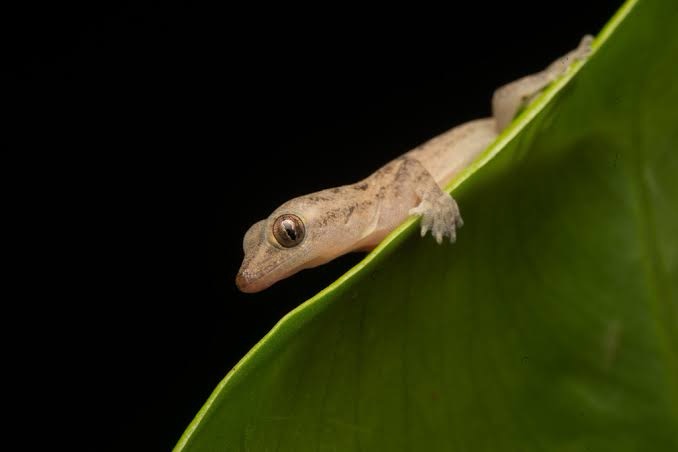
Heart of a Gecko
The fascinating heart of the gecko, an organ that is not only vital but also a marvel of regeneration, leads us to explore the intricate adaptations that allow these extraordinary reptiles to survive and thrive in various environments. Let’s delve into the unique characteristics of this heart and its implications for biology and medicine.
The Anatomy of the Gecko’s Heart
The heart of a gecko is a wonder of nature, displaying unique features that distinguish it from other vertebrates. Located at the top of the body, between the lungs, it plays a vital role in blood circulation. Although it resembles the hearts of frogs and turtles in many ways, its three-chambered structure—composed of two atria and one ventricle—demonstrates its functional complexity.
Atria and Ventricle: The two atria receive blood from different sources. The right atrium receives venous blood, low in oxygen, while the left atrium is responsible for receiving oxygen-rich blood from the lungs. Once the blood enters the atria, it is directed to the ventricle, where a controlled mixing occurs. This controlled mixing ability is unique among reptiles like the gecko, allowing them to efficiently regulate oxygen for the body’s needs without complete separation as seen in mammals and birds.
Strategic Positioning: The positioning of the heart ensures adequate pressure for pumping blood throughout the elongated body of the gecko. It is strategically placed to avoid conflict with digestive and respiratory processes, ensuring vital efficiency.
Integration with Other Organs: Working in conjunction with its well-coordinated respiratory and digestive systems, the heart of a gecko illustrates a fascinating orchestration of physiological functions. The balance between the systems reflects the remarkable evolutionary adaptation of these small reptiles. Just as we consider the ability of platypuses to adapt to different environments, geckos do the same on their small terrestrial scale.
Regeneration and Healing
The gecko possesses a remarkable and admirable ability to regenerate not only its tail but also other body parts, including the heart. This phenomenon involves a complex set of biological mechanisms that fascinate scientists around the world. When the cells of the gecko are damaged, they enter a state of proliferation, migrating and differentiating to restore lost or damaged tissues.
This process is controlled by a series of biochemical signals that continue to intrigue researchers. Geckos utilize special progenitor cells that resemble embryonic stem cells, yet with an incredible specificity for regeneration. Some research suggests that the genes responsible for these mechanisms are highly conserved among vertebrates, indicating a potential application in human regenerative medicine.
Recent studies highlight the ability of geckos to regulate healing without fibrosis formation. This contrasts with the human process, where healing often results in scar tissue. These peculiarities may hold the key to developing therapies that minimize scarring and promote the regeneration of complex tissues. Researchers have been investigating how these mechanisms can be adapted to improve treatments for cardiac injuries in humans, where tissue regeneration can be critical for recovery.
The fascinating world of regeneration is not limited to geckos. Other organisms, such as tardigrades, also known for their regenerative capabilities and resilience, broaden our understanding of the possibilities of regeneration in both animal and human realms. This ongoing research brings hope for significant advances in regenerative medicine, promising to revolutionize the way we treat injuries and diseases today.
Comparisons with Other Animals
The heart of the gecko is a fascinating piece of natural architecture. Compared to the hearts of other reptiles, there is a unique adaptation to its agile lifestyle and metabolic needs. Unlike mammals, whose hearts are divided into four chambers, reptiles like the gecko have a heart with three chambers. However, this system is perfectly adapted to their ecological needs.
The gecko, which leads a life of climbing and hunting, benefits from a blood circulation system that allows for a rapid response to changes in temperature and oxygen demand. Such efficiency lies in the delicate balance between gas exchanges and nutrient distribution, something crucial for its survival in varied environments.
When we compare it to other vertebrates, such as the platypus, which possesses characteristics of both reptiles and mammals, we perceive a greater complexity in the cardiovascular system that supports a semi-permanent aquatic lifestyle. Meanwhile, the heart of birds, like the toucan, a standout example in the animal kingdom, demonstrates a remarkable evolution for flight, with a highly efficient closed circulation system, ensuring energy for their long aerial journeys.
The study of these comparisons highlights valuable lessons about evolution and adaptation. By understanding the diversity in cardiac systems, we see how life always finds ways to flourish in various niches. These observations not only expand our understanding of biology but may also inspire advances in medical science, aiding in the investigation of pathways for more effective cardiac treatments in humans. For more intriguing information, see about the anatomy of the toucan.
Scientific and Medical Applications
The heart of geckos possibly hides valuable secrets for medical science. In recent decades, research has focused on the extraordinary abilities of these creatures, such as the regeneration of their tails. This fascination with regenerative capacity is not limited to their external anatomy; it encompasses the heart, where geckos demonstrate a remarkable ability to repair damaged tissues.
Current studies seek to uncover the underlying mechanisms behind this regenerative ability. Researchers are investigating how the heart cells of geckos behave after an injury. The ability for effective regeneration suggests unique cellular processes that could revolutionize treatments for human heart diseases.
Regenerative medicine is a growing field. Based on studies of geckos, researchers aspire to replicate this ability in humans, exploring cellular therapies that could repair or even recreate human tissues. The research inspires hope for the regeneration of damaged organs, offering potential to those on transplant waiting lists.
Scientific curiosity goes beyond cardiac functions. Understanding this regenerative ability could provide innovative insights into treatments for severe injuries in humans. Future research suggests potential applications in therapies that eliminate the need for invasive procedures, paving the way for an era where organ and tissue regeneration is a tangible reality.
These advances not only revolutionize medicine but also highlight the importance of protecting and studying species like the gecko. After all, their natural abilities offer a glimpse into a future where human health can be spectacularly improved through regenerative biology.
Protecting Gecko Habitats
Amid the complexity of natural ecosystems, geckos face increasingly intense threats. Deforestation, urbanization, and pollution are fierce enemies of the natural habitat of these creatures. In this scenario, the heart of a gecko presents a fascinating study of adaptation. Small and efficient, the heart of geckos is highly resilient to sudden changes in their environment, although constant threats may have debilitating long-term effects.
These creatures play a vital role in ecosystems, controlling insect populations and serving as prey for larger predators. The disappearance of geckos could cause a devastating domino effect in the food chain. The conservation of their habitats is not just a matter of preservation but also of understanding complex natural interactions.
For scientists, the heart of the gecko offers a window to study resilience and evolutionary adaptation. Protecting these natural areas not only preserves biodiversity but also ensures the continuity of crucial scientific research. Among conservation measures are the protection of remaining forests and the promotion of greener urban areas.
In many ways, the struggle of geckos is not different from that of many other endangered species. Just like geckos, the elephant, for example, is also pressured by many anthropogenic threats. Both need a collective effort to ensure their survival.
Conclusions…
In summary, the heart of the gecko is not just a functional organ but a window into the world of biological regeneration. The lessons we learn from these reptiles are not only fascinating but also revealing for the future of regenerative medicine and the mysteries of life.
Did you know?