The Fascinating Tarantula
Tarantulas, with their impressive appearance, enchant and frighten in equal measure. These fascinating creatures, large and hairy, are found in tropical regions around the world. This article will explore their characteristics, habitat, behavior, and the relationship they maintain with the ecosystem.
The Body Structure of the Tarantula
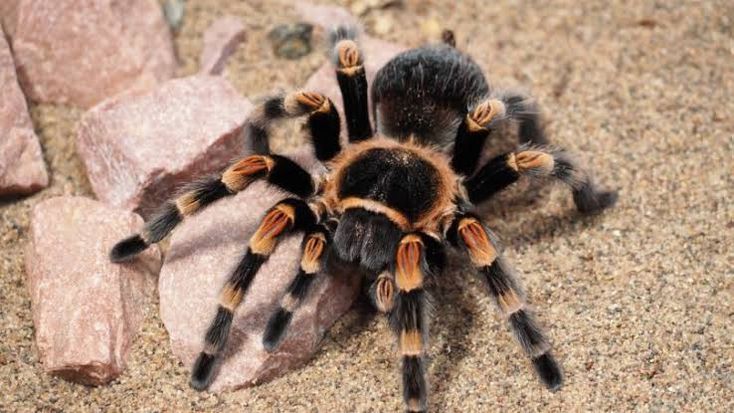
The tarantula is an impressive creation with its robust anatomy and adaptive features. Generally, these spiders measure between 10 to 30 centimeters in span, presenting sizes that intimidate many predators. The fur, which varies from brown to black, provides effective camouflage in their natural environment, making them almost invisible among dry leaves and tree trunks. This facilitates hunting and defense against predators.
The chelicerae are particularly notable. These sharp and powerful front claws are absolutely essential for their survival. Their structure allows the tarantula to capture and immobilize its prey, which ranges from insects to small vertebrates. The chelicerae also have glands that produce venom, crucial for paralyzing their victims before feeding.
Another fascinating aspect of this spider lies in its legs. With eight long and muscular limbs, the legs provide impressive agility. The strength allows tarantulas to climb with ease. In tropical environments where surfaces are diverse, this feature proves vital for their locomotion and hunting strategy. The presence of sensory hairs on the legs enhances environmental perception, allowing the detection of almost imperceptible vibrations.
These undeniable adaptations form a harmonious set that facilitates the survival of the tarantula in its exceedingly dynamic habitats. Observe how it moves! The beauty of its form is truly incredible when one learns about its adaptive functions. For a spectacular view of an even more distinct creature, check out this article on the jumping spider.
The Tropical Habitat
Tarantulas are versatile inhabitants of tropical ecosystems, cleverly adapting to a variety of habitats. In dense forests, for example, their natural shelter includes thick foliage and tree trunks. Here, they become ambush specialists, using their camouflage skills to surprise unsuspecting prey. The humidity and abundance of invertebrates in a forest environment provide a nutritious and diverse diet. Tarantulas respond to changes in the forest microclimate, adapting their nocturnal and diurnal activities.
In contrast, in the vast tropical savannas, the reality is different. The sparse vegetation offers less cover, making them more dependent on their hunting skills. These spiders are agile, often hiding in holes or under rocks, where they can observe small insects and even small mammals. This habitat requires them to be more proactive in their search for food. Tarantulas that inhabit mountainous areas face a distinct set of challenges. They adapt to the uneven terrain and take advantage of rock crevices as shelters. The cooler climate influences both the height and frequency of their hunting activities, ensuring that only the most adaptable thrive.
Each habitat shapes the behavior and diet of tarantulas in fascinating ways, which is reflected in the complexity of their ecological interactions. For more information about predators and prey, visit Jumping Spider: The Most Intelligent Arachnid.
Behavior and Feeding
The golden orb-weaver exhibits fascinating and adaptive behavior in its habitat. Utilizing its exceptional weaving skills, it constructs intricate webs that illuminate the areas where it is present. These webs are not only capture structures but also true works of art in nature. The way the spider positions itself in the web, often at the center, is an example of efficiency and strategy. By waiting patiently, it can detect unsuspecting creatures passing by.
When a prey becomes ensnared in its threads, the golden orb-weaver acts quickly. With an agile movement, it pounces on the victim, using its long legs to hold it firmly. The spider’s salivary glands inject venom, paralyzing the prey and initiating the process of external digestion. This hunting method is a perfect combination of patience and precision, reflecting the wisdom of this arachnid.
The interaction of the golden orb-weaver with other organisms is equally intriguing. It is not just a predator; it also plays a role in a broader web of ecological relationships. The insects it seeks, such as mosquitoes and moths, often become part of the delicate balance of the ecosystem. Furthermore, the spider can also be prey for birds, reptiles, and other predators. This interdependent dynamic illustrates the complexity of wildlife.
Thus, we see that the golden orb-weaver not only survives but also thrives in its habitat, representing an important link in the food chain. For a closer look at the life of these arachnids, you can read about the jumping spider, which shows intelligent behavior in its hunting, in Jumping Spider: The Most Intelligent Arachnid.
Myths and Truths
Surrounded by a cloak of prejudice and fears, tarantulas are often confused with more dangerous creatures. Myths about their bites proliferate, perpetuating the idea that they are extremely venomous. However, it is essential to clarify that, although their bites can cause pain, most species do not pose a significant risk to human health. The venoms of some tarantulas can provoke adverse reactions, but rarely result in fatal consequences. The truth is that these spiders prefer to avoid human contact, using their venom predominantly to capture smaller prey. A common narrative portrays tarantulas as terrible predators capable of taking down prey the size of a dog. In reality, their diet largely consists of insects and other small invertebrates. Moreover, did you know that tarantulas play a crucial role in ecological balance? They help control insect populations, maintaining diversity in the environment they inhabit. Tarantulas are often compared to other arachnids, such as black widow spiders or scorpions. Despite this, their venoms and behaviors are quite different. While the black widow is indeed dangerous, causing serious health issues, the tarantula is an artist in the art of subtlety, using its venom wisely. It is important to remember that respectful coexistence with these creatures not only enriches our knowledge of biodiversity but also protects our ecosystem. To learn more about other fascinating types of spiders, you can explore the article on the jumping spider, which reveals more about the complexity of the arachnid world.
The Role in the Ecosystem
Tarantulas play a vital role in their ecosystems. As predators, they control insect populations, maintaining a healthy balance. These arachnids feed on a variety of insects, including beetles, grasshoppers, and even other smaller arthropods. This predation prevents pest populations from growing uncontrollably, which can cause serious damage to crops. Additionally, these spiders are an important part of the food chain, serving as food for various species, such as birds and small mammals.
These spiders also have cultural significance. In many communities, their behavior and unique appearance inspire legends and myths. They are often seen as symbols of strength and efficiency. Tarantulas have an intrinsic relationship with the soil and vegetation they inhabit. Their natural habitats promote biological diversity and provide shelter and food for many other creatures.
In rural areas, tarantulas help with biological control, reducing the need for chemical pesticides. This results in a healthier environment for both local fauna and flora. Without the presence of these spiders, the ecological balance would be severely affected. Thus, their role is fundamental to the health of the ecosystem.
Therefore, tarantulas are not just fascinating creatures to observe. They play a crucial role in maintaining the harmony and diversity of their habitats. For a broader view of how living beings interact in the environment, I recommend reading about the most intelligent arachnid.
Conclusions…
The tarantula, despite its intimidating appearance, plays a crucial role in the balance of the ecosystem. Understanding its biology and behavior deepens our appreciation for these majestic creatures. Thus, as we explore their world, we realize how rich and varied nature is, inviting us to respect and protect these fascinating spiders.
Did You Know?
What characterizes the tarantula? Tarantulas are known for their large size, long hairy legs, and the presence of robust chelicerae. They have unique characteristics that differentiate them from other spiders.
Where are tarantulas found? These spiders are predominantly found in tropical regions, in habitats ranging from dense forests to open savannas.
What is the behavior of the tarantula? They are agile predators and often have nocturnal habits. The tarantula hunts invertebrates, including insects and small vertebrates.
Are tarantulas dangerous to humans? Although they may seem terrifying, most tarantulas are harmless to humans, with bites being rare and generally without serious effects.
How do tarantulas contribute to the ecosystem? These spiders play a vital role in controlling insect populations, helping to maintain ecological balance in their native regions.