Rattlesnake: The Magnificence of the Venomous Serpent
The rattlesnake, famous for its distinctive rattle, is an intriguing venomous snake that primarily inhabits the Americas. The biodiversity and behaviors of this creature offer us a fascinating glimpse into the animal kingdom, revealing its adaptations and role in the ecosystem.
The Origin of the Rattlesnake
Rattlesnakes, belonging to the genus Crotalus, represent a fascinating example of snake evolution. Native to the Americas, these creatures have developed unique characteristics that distinguish them from other snakes. Their adaptation over time reflects the complex interaction with the various habitats they inhabit, from arid deserts to lush tropical forests. With over 30 distinct species, each possesses adaptive traits that meet the demands of its specific environment.
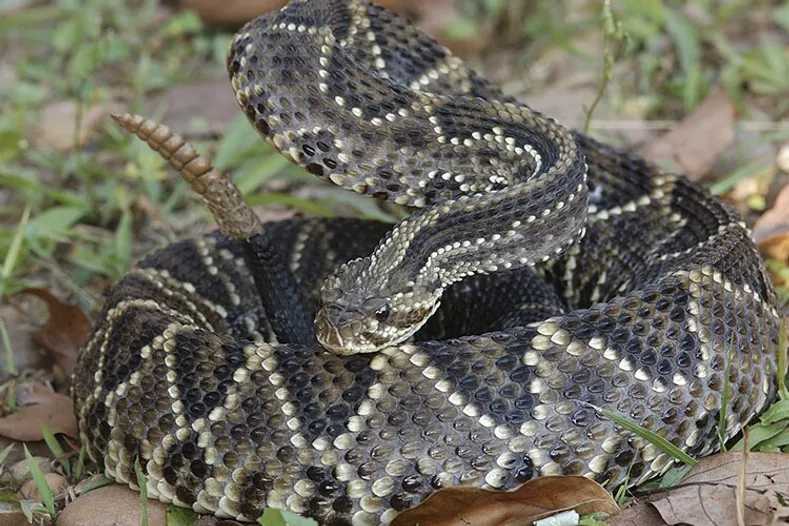
The famous rattle, which marks the identity of rattlesnakes, is an evolutionary innovation. This sound-producing organ serves as a defense mechanism, alerting predators and humans to their presence. At the same time, rattlesnakes also possess impressive camouflage, allowing them to blend seamlessly into the ground and leaves, aiding them in hunting effectively.
Other adaptations include the ability to detect heat. Rattlesnakes have special sensory organs that allow them to sense the thermal radiation of prey. This ability makes them notable predators, even in low visibility conditions. Throughout the Americas, rattlesnakes have evolved to occupy a vast range of niches. Each species reflects not only its habitat conditions but also the biological history of its development.
The diversity of rattlesnakes is a testament to the resilience and ingenuity of nature. The adaptations they have developed over millennia are particularly visible when observed in their behavior and morphology. For more information on the adaptability of living beings, see how the platypus has become a symbol of resilience and diversity in its evolution.
Anatomy and Physiology
The rattlesnake is a remarkable example of evolutionary adaptation. Its body is slender and flexible, allowing agile movements. The size can vary between 24 and 72 inches. The scales, in a diamond pattern, provide effective camouflage. Additionally, the coloration can range from browns to greens, depending on the habitat. The famous tail, with its characteristic rattle, serves as an alert mechanism. The rattle emits an audible sound, warning predators and alerting potential threats.
The sensory organs of the rattlesnake include the Jacobson’s organ, which detects pheromones and senses the environment. The nostrils are sensitive and allow for precise odor detection. The most impressive is the Jacobson’s organ, located in the mouth, which enhances the sense of smell. Snakes also have eyes that, although lacking eyelids, are covered by a protective film.
Vision is adapted to nocturnal and crepuscular locations, allowing the rattlesnake to identify prey even in low light. Hearing is primarily sensitive to vibrations in the ground, which is crucial for hunting.
The defense mechanisms go beyond the rattle. When threatened, rattlesnakes can adopt a defensive posture, raising part of their body. The venom, a remarkable adaptation, is used to paralyze prey. Its composition varies depending on the region and diet. Additionally, stealthy hunting and fleeing are common tactics in response to predators. The balance between camouflage, alertness, and defense makes the rattlesnake a skilled survivor in its ecosystem.
Habitat and Distribution
The rattlesnake is one of the most fascinating snakes on the American continent, inhabiting a surprisingly wide variety of environments. From dense forests to arid deserts, its geographical distribution primarily covers North America and parts of Central America. These distinct habitats directly influence their behaviors and adaptations.
In deserts, the rattlesnake stands out for its ability to camouflage among rocks and sand. Its coloration pattern acts as an effective protective cloak, ensuring it remains hidden from predators and prey. In tropical forests, the humid environment and dense vegetation provide shelter and a rich food source, such as rodents and birds.
Altitude also plays a critical role in their distribution. Rattlesnakes can be found at high altitudes, where temperatures are lower. These snakes have developed adaptations that allow them to survive in different climates, ranging from warm to temperate. During dry seasons, they tend to burrow in holes or roots, keeping cool and away from intense sunlight.
Geography shapes not only their shelter needs but also their feeding patterns. In habitats where vegetation is scarcer, such as deserts, their hunting skills become more subtle and opportunistic. To learn more about how these habitats affect wildlife, read about the anhinga, which also faces challenges in its habitat.
Behavior and Feeding
The rattlesnake, an icon of American fauna, exhibits fascinating feeding habits. Primarily carnivorous, this snake specializes in a diet composed of small mammals, birds, and occasionally reptiles. The hunting method of the rattlesnake is a true masterpiece of nature. Armed with a keen sense of heat, rattlesnakes use sensitivity terms to detect their prey, even in total darkness. They remain motionless, camouflaged among the leaves, creating a deadly trap. Once the prey approaches, the snake strikes with a quick and precise movement, injecting lethal venom through its fangs. The venom not only incapacitates the prey but also initiates the initial digestion before it is ingested.
This hunting style, while efficient, has broader implications for the ecosystem. Rattlesnakes play a crucial role in controlling the population of small mammals, contributing to ecological balance. Their presence ensures that prey populations do not become excessive, preventing overexploitation of local vegetation and maintaining habitat health.
However, the rattlesnake is not just a predator; it also plays the role of prey. Many birds of prey and other predators rely on the rattlesnake as part of their diet. In this way, the snake participates in a complex food cycle, reflecting the interdependent web of its community. For a deeper understanding of how snakes inhabit and behave in their environments, it is worth exploring details about the bat, the flying mammal that also performs vital ecological functions.
Conservation and Threats
The rattlesnake, with its native beauty and silent majesty, faces a series of threats. Habitat loss is one of the most critical. The forests and dry regions where these snakes often inhabit are being rapidly deforested. This loss is primarily due to agricultural expansion and urban development. With the destruction of their home, the rattlesnake finds itself in a constant struggle for survival. In addition to environmental degradation, illegal hunting represents another significant threat. The demand for skins and wildlife trafficking increases pressure on rattlesnake populations. Cultural beliefs that regard the rattlesnake as a symbol of strength and power lead to this indiscriminate hunting, putting the species at risk.
To address these challenges, conservation measures are essential. Protecting the rattlesnake’s natural habitats is a priority. Nature reserves and protected areas would help ensure that these snakes can thrive in environments free from human interference. Educating local communities is also crucial. Raising awareness about the importance of rattlesnakes and their role in the ecosystem helps reduce hunting and promote coexistence. In ongoing efforts, conservation organizations work to create strategies that integrate rattlesnake protection with sustainable development. Research and monitoring initiatives also help to better understand rattlesnake populations. The preservation of this species is not just a matter of survival but a reflection of the health of our ecosystems. To learn more about endangered species and the importance of conservation, refer to this article.
Conclusions…
Rattlesnakes are fascinating creatures that play a vital role in the ecosystems of the Americas. Their venom and behavior are impressive adaptations for survival, and understanding their ecology is essential for the conservation of their species and the habitats they inhabit.
Did you know?
What is a rattlesnake?
The rattlesnake is a venomous snake known for its distinctive rattle on its tail, which serves as a defense mechanism against predators.
Where can rattlesnakes be found?
Rattlesnakes are primarily found in the Americas, in various habitats such as forests, deserts, and grasslands.
Why are rattlesnakes important to the ecosystem?
Rattlesnakes play a crucial role in controlling populations of small animals and serve as prey for various birds and mammals.
What is the diet of a rattlesnake?
The diet of a rattlesnake includes rodents, birds, and other small animals, which are captured through its hunting skills and venom.
How does a rattlesnake defend itself?
The rattlesnake uses its rattle as a sound warning to predators. If threatened, it can strike with its potent venom to defend itself.