Nile Crocodile: The Monarch of African Waters
The Nile crocodile, one of the largest aquatic reptiles, inhabits the vast and mysterious waters of Africa. Known for its unmatched strength and territorial behavior, this article explores its characteristics, habitat, behavior, ecological interactions, and the conservation needed to preserve this magnificent species.
Imposing Physical Characteristics
The Nile crocodile, a marvel of nature, possesses impressive physical traits. This predator is a true giant of the African rivers, capable of reaching lengths of up to five meters, although larger individuals have been spotted. These magnificent reptiles can weigh, on average, 400 kg, with some specimens exceeding this mark. This impressive weight and size are fundamental in their interactions with the environment and their prey.
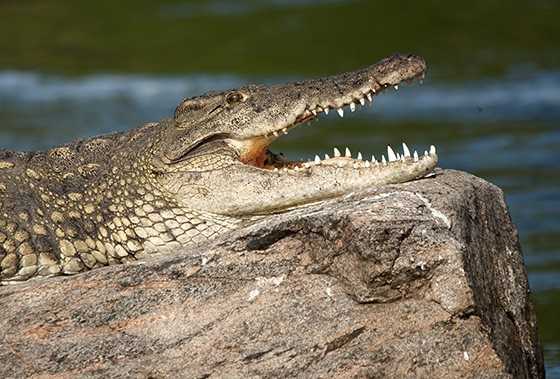
Its skin, a natural armor, is covered with hard and rough scales. This camouflage offers protection against predators, as well as aiding in the capture of prey. The coloration varies between greens, browns, and shades of gray, allowing them to blend perfectly into aquatic environments. The Nile crocodile is much more than just a simple giant; it is a highly adapted predator.
The eyes, positioned on top of the head, allow it to observe the environment while remaining submerged. With a powerful jaw, its teeth are designed to grip and tear flesh, making it a lethal hunter. The jaws close with a force that can exceed a ton, confirming its status as the monarch of the rivers.
Impressive additions, such as its muscular hind legs, provide speed in the water and agility on land. Additionally, the legs are equipped with membranes that aid in swimming, making it an agile diver. This adaptable predator is a perfect example of the evolution and design that nature offers us. For more on wildlife, check out this article on elephants.
Habitat and Distribution
The Nile crocodile, one of the largest reptiles on the planet, prefers varied aquatic environments. Its natural habitats include rivers, lakes, swamps, and deltas. It is primarily found in the tropical and subtropical regions of sub-Saharan Africa. These magnificent predators adapt to different types of water, from the freshwater of rivers to the brackish of estuaries.
Nile crocodiles are solitary most of the time, seeking shelter on the banks or in deep waters. They often bask in the sun on rocks or sandy areas near the water. With the heat of the day, they move to the water, where they can cool off and wait for prey.
The geographical distribution of the Nile crocodile is vast, covering countries such as Egypt, Sudan, Kenya, Tanzania, and many others. They are particularly abundant in famous lakes, such as Lake Victoria, as well as in large rivers like the Nile. The presence of this reptile is a sign of healthy ecosystems, as it plays a crucial role in regulating prey populations.
Pollution, hunting, and habitat degradation have negatively impacted their populations. Well-preserved aquatic ecosystems are essential for the survival of the Nile crocodile. Therefore, the conservation of these environments is vital. The importance of these habitats is not limited to them but also benefits a diversity of wildlife. To better understand the role of a majestic animal like the Nile crocodile, it is interesting to explore how other species adapt to their environments. Check out this link to learn more about how birds integrate into their habitats.
Behavior and Feeding
The leatherback turtle is an intriguing traveler of the oceans. In it, we find impressive migratory patterns that can exceed thousands of kilometers. Something remarkable in the life of these turtles is their ability to return to the beaches where they were born. This happens almost magically, guided by natural signals, such as the Earth’s magnetic field and the position of the sun. During their long journey, these turtles venture into tropical and subtropical regions, always in search of food and safe nesting sites.
Their feeding strategy is equally fascinating. As specialists in consuming jellyfish, the leatherback turtle has a great appetite for these gelatinous creatures. However, they also consume crustaceans and fish, taking advantage of what is available in their path. An adaptation of their physical characteristics, such as the adapted mouth, allows them to be efficient hunters in this vast marine environment.
Among individuals, their social interactions are subtle yet significant behaviors. Turtles often gather in feeding areas, where they can be seen swimming together, sharing space, and occasionally competing for resources. However, these encounters are not usually aggressive. Instead, they behave socially, often ignoring the presence of others. This delicate dance in the ocean exemplifies how marine life operates in such a vast and interconnected environment, where each creature plays its role. To explore more about marine life, including social interactions in the ocean, see more information about the orca.
Ecological Interactions
In the vast realm of African waters, the Nile crocodile stands as a sovereign predator. Its domain extends through rivers, lakes, and swamps, where it reveals itself as a master of ambush. With a perfect combination of strength and cunning, it is capable of capturing prey that ranges from fish to mammals. The presence of this predator is crucial for maintaining ecological balance. As a top predator, the Nile crocodile controls the populations of various species. Its presence ensures that species such as fish and aquatic birds are kept at sustainable levels. The reduction of predators can lead to an overpopulation of smaller species, resulting in an unbalanced ecosystem. The crocodile thus acts as a regulator, allowing biodiversity to flourish.
The interactions of the Nile crocodile with other species are also fascinating. It is a formidable competitor, competing for food with hyenas and lions that occasionally venture to the water’s edge. However, these animals can also benefit indirectly from its presence, maintaining the health of the environment. These aquatic giants not only consume prey but also directly influence the behavior of other species. The mere presence of crocodiles can alter foraging patterns, leading prey such as antelopes and other herbivores to avoid areas near the water. This behavioral phenomenon can help protect riparian vegetation. For a deeper understanding of interactions in the aquatic ecosystem, it is worth exploring the complex dynamics of other species.
Conservation and Preservation
The Nile crocodile, majestic and feared, is a vital creature in Africa’s aquatic ecosystems. Its impressive characteristics make it an effective predator. However, human behavior and environmental changes put this wonder in danger. Hunting, habitat degradation, and pollution are some of the threats they face.
The destruction of natural habitats, such as swamps and rivers, reduces the places where crocodiles can live and reproduce. Additionally, the introduction of invasive species negatively impacts their populations. Crocodiles compete for food and space with these new species, affecting their well-being and reproductive success.
It is important to understand the consequences of biodiversity loss. The Nile crocodile plays a crucial role in maintaining ecological balance. Every instance of imbalance can result in the extinction of other species that depend on the same food chain. Therefore, the conservation of crocodiles is not just a matter of saving a species but of protecting the entire ecosystem.
To mitigate these problems, various conservation initiatives have been established. Awareness programs, habitat conservation, and control of invasive species populations are essential. The involvement of local communities is crucial. They can help monitor and protect crocodiles and their habitats, promoting a sustainable future for these magnificent reptiles.
Conservation efforts must be continuous and dynamic, adapting to changes in threats. Only then can we ensure that the Nile crocodile continues to reign in African waters. For more information on the conservation of endangered species, consult this link.
Conclusions…
The Nile crocodile is a symbol of strength and resilience of African wildlife. Understanding its ecology and the threat of extinction is crucial for its preservation. Protecting this magnificent reptile is protecting the delicate balance of its habitat and the legacy it represents.
Did you know?
What is the natural habitat of the Nile crocodile?
The Nile crocodile inhabits rivers, lakes, and swamps in various regions of Africa, preferring environments with dense vegetation and calm waters.
What is the feeding behavior of the Nile crocodile?
This reptile is an opportunistic predator, feeding on fish, birds, and mammals that approach the water, using its camouflage to hunt.
What is the difference between the Nile crocodile and other crocodiles?
The Nile crocodile is larger than many other family members, reaching up to 5 meters in length and is considered more aggressive, especially during reproduction.
How does the Nile crocodile reproduce?
Reproduction occurs in protected areas, where females build nests of mud and eggs, which are incubated by the sun’s heat and maternal protection.
What are the threats to the Nile crocodile?
The main threats include habitat loss due to urbanization and illegal hunting, as well as climate change and water pollution.