The Importance of the Dung Beetle in the Ecosystem
The dung beetle, known for its unique ability to recycle feces, plays a fundamental role in the ecosystem. This article explores the significance of this fascinating insect, its biology, behavior, and impact on soil health and biodiversity.
What is the Dung Beetle?
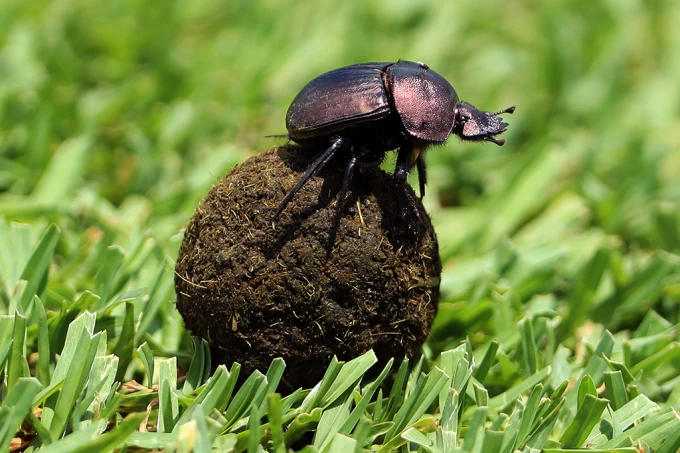
The dung beetle, belonging to the family Scarabaeidae, is an incredible natural recycler. They play a crucial role in the ecosystem by transforming feces into valuable fertilizer. This function helps fertilize the soil and maintains the health of habitats. There are about 5,000 known species, varying across continents except Antarctica. These beetles are easily identifiable by their robust bodies and coloration, which ranges from deep black to reddish-brown. The most notable ability of dung beetles is their behavior of rolling feces. They collect feces from other animals, such as herbivores, and shape them into balls. This act is not just a cleaning mechanism but serves a reproductive purpose. The soil is improved, creating favorable environments for various species.
The taxonomy of the dung beetle includes several subfamilies, such as Onthophagini and Scarabaeinae. They possess remarkable adaptations, such as the ability to locate feces from long distances. This ability is facilitated by their vision and sense of smell, essential in the search for food. Their morphology is equally interesting. Their bodies are equipped with highly sensitive antennae that detect odors with precision. Moreover, the balls are used as food for the larvae, highlighting the intensity of their parental behavior. For these reasons, they are considered one of the wonders of the animal kingdom. For a discussion on the essential role of the beetle in the ecosystem, visit this link.
Recycling Behavior
The dung beetle, notable for its dedication to processing feces, plays a vital role in nutrient recycling in the ecosystem. These small beings, belonging to the family Scarabaeidae, are true engineers of nature. With a keen instinct, they locate feces from herbivores, preferring male feces due to its high nutritional content. Using their strong hind legs, they begin to roll the fecal balls, taking them away to be stored as food or as a breeding site.
The act of rolling feces is more than just a simple feeding task. This process is also a reproductive strategy. The dung beetle creates a safe environment for its eggs. It introduces the eggs inside the ball and buries it, protecting the young from predators. Additionally, the ball provides essential nutrients when the larvae emerge. This behavior is not isolated; it involves an intense communication ritual among the beetles. To determine the quality of the dung, males compete, showcasing their skills to attract females.
This spectacle of strength and strategy is crucial, as the beetles aid in the decomposition of feces, enhancing soil quality by facilitating nutrient cycling. Furthermore, their activity contributes to improving soil structure, favoring plant growth. Appreciating this meticulous dance of nature is fundamental to understanding ecological balance. For a deeper insight into these fascinating insects, check out the study on the Ladybird beetle.
Impact on Soil and Vegetation
The life of the dung beetle, with its admirable recycling abilities, exerts a significant impact on the soil. By shaping excrement into small balls, these beetles not only clean the environment but also improve soil fertility. Such balls contain essential nutrients, such as nitrogen and phosphorus, which are vital for plant growth. When buried, these balls enrich the top layers of the soil, making it more fertile and productive.
The interaction of the dung beetle with the soil improves its structure. These organisms help aerate the soil, promoting the penetration of water and air. As a result, plant roots find a looser and well-drained soil, ensuring healthier development. Moreover, the digging activity of the beetles creates tunnels that serve as channels for water and nutrients to distribute. Dung beetles also affect plant vitality by reducing soil compaction. Compacted soils limit the roots’ ability to grow and absorb nutrients. Thus, by turning and mixing the soil, these insects promote a favorable environment for vegetation to flourish. Additionally, their actions contribute to the microbial diversity of the soil. Bacteria and fungi thrive in areas where nutrients have been concentrated, favoring the decomposition of organic matter. This decomposition is crucial for nutrient recycling within the ecosystem. For a fascinating example of another incredible being in nature, check out the article on the elephant, which also plays a vital role in maintaining ecosystems.
Biodiversity and Interconnections
The dung beetle, a small giant of ecosystems, plays a fundamental role in its web of life. Its ability to decompose feces is not merely a matter of hygiene but an intricate dance with the biodiversity around it. By transforming organic matter into compost, it helps enrich the soil, ensuring the health of the plants that feed many other species. Thus, the dung beetle becomes a link between waste and the vitality of the ecosystem. Furthermore, many creatures depend on them as a food source. Predators, such as birds and mammals, benefit from this delicate link, creating a food cycle that sustains various species. Imagine the scene: a bird, agile and alert, lunges in search of the beetle, a movement that perpetuates the wheel of life. This beetle does not live in isolation. Parasitoids, such as some species of wasps, interact with dung beetles by implanting their eggs in the beetles or their larvae, ensuring the survival of their own species. On the other hand, plants, benefiting from the soil enriched by decomposition, contribute to the survival of other species, forming a virtuous circle. Each interconnection is essential, a symphony of nature where the smallest artist, the dung beetle, plays its part. This complex network demonstrates that local extinctions can have global repercussions. The decline of the beetle, for example, can lead to the collapse of entire communities. For more on how different species interrelate, it is worth exploring tardigrades and their equally fascinating ecosystem.
Threats and Conservation
The dung beetle, with its unique appearance and fascinating behavior, faces numerous threats in its natural habitat. The destruction of ecosystems, whether through deforestation or urbanization, drastically reduces the space available for these essential insects. Their habitats become fragmented, hindering their ability to reproduce and migrate. Another critical factor is pollution, which directly affects soil quality and food availability. Chemical substances, such as pesticides, can result in direct death or contamination of the environment where these beetles thrive.
Moreover, climate change brings uncertainties to their life cycle, altering the conditions necessary for their survival. Rising temperatures can affect the availability of animal waste, a vital resource for these insects. This situation makes the conservation of the dung beetle an urgent and important issue.
Conservation strategies must be varied. One of the critical steps is the protection of the natural habitats of the beetles. This can include the restoration of degraded areas and the promotion of sustainable agricultural practices to minimize the use of harmful chemicals. Environmental education also plays a fundamental role. Raising awareness among local populations about the ecological importance of the dung beetle can lead to more favorable attitudes towards this fascinating being.
Promoting research on these insects is another vital strategy. Learning more about their needs and biology will allow for the development of more effective conservation measures. The ecological value that these small beings provide must be recognized so that they can continue to play their fundamental role in the health of ecosystems. To understand more about how animals interact with the environment, you can read about the rhinoceros, a large herbivore that also faces similar dangers in its habitats.
Conclusions…
The dung beetle is more than a curious collector of feces; it is a pillar of ecosystem health. Its role in recycling and fertilizing the soil is essential for biodiversity and environmental sustainability.
Did You Know?
What is the role of the dung beetle in the ecosystem? The dung beetle recycles feces, promoting decomposition and enriching the soil, which is vital for ecosystem health.
How does the dung beetle contribute to soil fertility? By depositing feces in the soil, it helps nourish plants, improving soil structure and fertility.
What are some interesting behaviors of the dung beetle? These beetles are known for rolling balls of feces, which serve both for feeding and reproduction.
Why should we protect dung beetles? Protecting these insects is essential to maintain ecological balance and soil health, impacting biodiversity.
How does the dung beetle affect other species? Its recycling habits benefit numerous plants and organisms, creating a healthy environment for flora and fauna.