Fireflies: A Light That Fades
Fireflies, with their twinkling and magical light, have enchanted generations. However, this natural phenomenon is disappearing, and understanding its causes is crucial.
The Magic of Fireflies
As twilight settles in, a nighttime spectacle begins to unfold in the darkness. Among the bushes, the magical dance of fireflies emerges, small luminous creatures that captivate with their ethereal dance. These insects not only illuminate the environment but also carry a profound symbolism that resonates in human culture.
The Light That Illuminates the Night
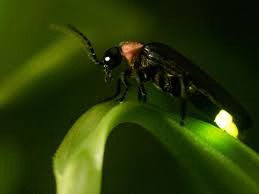
Their bioluminescence, a result of complex chemical reactions, serves for communication and reproduction. The light of fireflies can vary in intensity and color, fascinating observers through the generations. In various cultures, these beings have been associated with myths and legends. While some see them as lost souls or messengers of good news, others are enchanted by the stories told around campfires, where fireflies light the way for travelers under the moonlight.
Fireflies in Popular Culture
The presence of fireflies in popular culture is vast. From poems and songs to films, they symbolize love and hope. The deep connection between fireflies and nature is evident. As pollinators, they play a vital role in the ecosystem, balancing biodiversity. Bats, like fireflies, are important in pollination and show how easily different species interconnect in the same life cycle. Understanding these links helps us appreciate even more the beauty and fragility of our world. Thus, as we admire these small bright points in the night, we are reminded of their extraordinary role, both in nature and in our lives. Soon, we will explore the threats they face and the urgency of protecting fireflies so they can continue to ignite our imagination and the light of the night.
Causes of Disappearance
Imagine a tranquil night, where the delicate lights of fireflies dance in the darkness. Unfortunately, this enchanting scene is becoming a distant memory. The disappearance of these incredible beings has deep roots in a series of factors impacting their environment. Among them, habitat loss and pollution are at the center of this alarming issue.
Habitat Loss
Urbanization and intensive agriculture have destroyed the natural habitats of fireflies. The forests and open fields, which were once safe havens, are now replaced by cities and monocultures. As these places disappear, the biodiversity that sustains the lives of fireflies also diminishes. Thus, it becomes increasingly difficult for them to find suitable locations for breeding and shelter.
Pollution and Its Effects
In addition to the deterioration of their homes, fireflies face the threat of pollution. The use of pesticides and chemical fertilizers interferes with the natural interactions that sustain their life cycle. The fascinating glow that these insects produce is a symbol of healthy ecosystems, but as conditions deteriorate, their ability to flash decreases dramatically. Therefore, soil and water pollution not only directly affects fireflies but also harms the plants and other forms of life crucial for their survival.
As we analyze what leads to the disappearance of this fascinating natural light, it is vital to remember that the preservation of healthy ecosystems is essential to ensure that fireflies continue to enchant future generations. Thus, we must reflect on our actions and their impact on the natural world.
Ecological Impact
The soft and intermittent light of fireflies on warm nights represents not only a visual spectacle but also a crucial element in the ecosystems they inhabit. These nocturnal creatures play a vital role as pollinators, although they are often overlooked compared to bees and butterflies. Moreover, they are a food source for various species of birds and insects, forming a bridge between different food levels. However, their population is declining, and this generates profound and far-reaching consequences for the web of life.
The Role of Fireflies in Biodiversity
Fireflies, with their diverse species, have a considerable impact on their habitats. They are important pollinators, contributing to the reproduction of local plants. Without these insects, plant diversity may be compromised, directly affecting the fauna that depends on them. Thus, the loss of fireflies triggers a domino effect that harms other species, resulting in an unbalanced ecosystem. Consequently, various plants that are not pollinated may become extinct, leading to a malnourishment of food chains.
Extinction and Its Implications
If fireflies completely disappear, it is not just the beauty of their lights that fades. Their extinction involves the reduction of food options for predators like birds and bats. Therefore, the extinction of these organisms can cause a drastic decline in the population of these birds, creating a harmful cycle that affects the entire biodiversity of the environment. It is concluded that the health of ecosystems is often linked to the health of firefly populations. Thus, they are a crucial indicator of environmental health. This interdependence emphasizes the urgent need for protection and preservation of these fascinating creatures, whose light needs to continue shining in our forests.
As we reflect on the importance of fireflies, it is equally essential to consider what can be done to protect them and, thus, the ecosystems that depend on them. The next chapter will address the initiatives that have emerged to ensure that this light, which is slowly fading, can be restored with vigor.
Initiatives for Preservation
Imagine a starry night, where small luminous points dance in the air, creating a spectacle of lights. These small beings, the fireflies, not only delight the eyes but also play a crucial role in biodiversity. Unfortunately, as the world advances, their lights are quickly fading, and it is imperative to act to protect them and preserve their habitats.
Conservation Projects
Globally, various initiatives are emerging in response to this crisis. In many places, conservationists have promoted projects aimed at restoring natural habitats. For example, the restoration of wetlands and forests has proven effective in recovering firefly populations. These actions not only favor fireflies but also benefit a range of other species. Additionally, educational programs have been implemented to raise community awareness about the importance of these insects in pollination and ecological balance.
Awareness Campaigns
Moreover, awareness campaigns, which include nighttime events to observe fireflies, have attracted public attention. Such initiatives help cultivate a deeper appreciation for nature. Many locations now incorporate firefly observation as part of tourist activities, educating visitors about the role of fireflies in the ecosystem. Preservation campaigns also encourage people to limit the use of pesticides, which are harmful to these luminous beings. As we observe the beauty of fireflies, we need to remember that through collective actions, we can ensure that their lights shine brightly for many future nights. The future of these fabulous insects depends on us, and together, we can ignite the true light of environmental protection.
How to Contribute
The beauty of fireflies is a light that shines in a twilight that cannot be ignored. When these magical creatures disappear, darkness takes over our forests and gardens. Therefore, it is imperative that, through small actions, we can make a significant difference in the preservation of these luminescent beings.
Creating Favorable Environments
A vital step that individuals and communities can adopt is the restoration of their habitats. This involves planting native vegetation, which not only enriches the soil but also provides shelter and food for fireflies. Additionally, it is important to avoid the use of pesticides, as these chemicals harm local fauna. By maintaining organic pest control, gardens and parks become safer places for these bright insects.
Awareness and Education
Promoting awareness about the importance of fireflies is essential. Educational campaigns in schools and communities can encourage people to value the lives of these beings. Workshops and lectures can help disseminate preservation techniques and the importance of ecological balance. A significant initiative could be nighttime firefly observation events, where people gather to appreciate their beauty while learning about the challenges they face. A collective and conscious approach to nature allows us not only to protect fireflies but also to nurture a deep respect for the environment. Thus, with these actions, we can illuminate a future where these small beings continue to dance in the shadows of the night, preserving their essence and habitat. By embracing this knowledge and paying attention to the needs of our ecosystem, we can connect the magnificence of fireflies with the bond we share with all forms of life. Now, as we move forward, let’s explore the emotional relationship that dogs have with their toys, and how this connection can shape their behavior and well-being.
Conclusions…
The disappearance of fireflies is a clear sign of the challenges we face in preserving the environment. Awareness of the importance of these insects is vital, as they play a crucial role in ecological balance. Measures to protect their habitats and minimize light pollution are urgent. Starting actions at the local level can have a significant impact. Thus, each of us can become advocates for these fascinating beings, and together, we can help restore the dance of light in dark nights.
Did You Know?
What are fireflies?
Fireflies are insects from the Lampyridae family known for their ability to emit light through a chemical process called bioluminescence.
Why are fireflies disappearing?
The main factors include habitat loss due to urbanization, light pollution, and pesticides that affect their populations.
Are fireflies dangerous?
No, fireflies are harmless and do not sting. Their glow primarily serves for sexual attraction during mating.
How do fireflies produce light?
They produce light through bioluminescence, where a chemical reaction involving luciferin and oxygen generates visible light.
When is the best time to see fireflies?
The best time to observe fireflies is during the warm summer months, especially at dusk and night.
What can we do to protect fireflies?
Reducing pesticide use, preserving natural habitats, and decreasing light pollution are some of the actions we can adopt.
Do fireflies have an ecological role?
Yes, they are pollinators and, although not as effective as other insects, they contribute to the biodiversity of the ecosystem.
How do fireflies communicate?
Fireflies communicate through light patterns; each species has a specific pattern that attracts mates.