Orchid Mantis: The Insect That Deceives with Beauty
The wonders of nature reveal creatures that defy logic, and the orchid mantis is one of these marvels. This intriguing insect mimics flowers to attract its prey, creating a fascinating spectacle that deserves to be explored in detail.
The Fascinating Camouflage of the Orchid Mantis
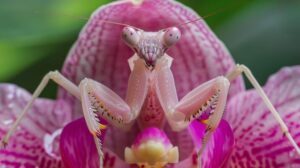
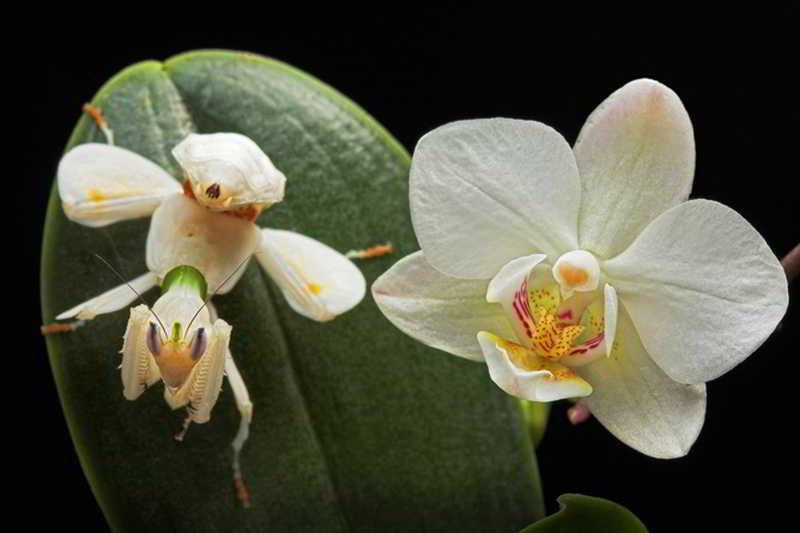
In the heart of the tropical forests of Southeast Asia, there exists a creature that skillfully blends into its environment. The orchid mantis boasts an unusual and colorful appearance, resembling exotic flowers. This is no mere coincidence, but rather a strategy carefully sculpted by evolution. The orchid mantis uses its floral camouflage to deceive both predators and prey. Its limbs shape like petals, in shades of white, pink, and lavender, imitating the beauty of the orchids that abound around it. This vivid illusion allows the insect to integrate perfectly into its habitat, going unnoticed by animals that could pose a threat.
Besides hiding, the camouflage of the orchid mantis serves another essential purpose: attracting unsuspecting prey. Many insects, such as bees and butterflies, are led to believe they are landing on an innocuous flower. This false sense of security becomes fatal when the orchid mantis strikes with remarkable precision. It is fascinating how evolution has guided this development. Under the principle of natural selection, those individuals that presented a more effective disguise had a greater chance of survival and reproduction. Thus, over generations, the traits that best mimicked flowers were enhanced, allowing the orchid mantis to evolve into its current state. The orchids and their similarities with the orchid mantis are a testament to the role of evolution in nature. And, as we observe this beautiful deception, we are reminded of the complexities of the natural world, where appearance often dictates fate. In its strategies and adaptations, the orchid mantis reveals itself as a master in the art of living incognito among the vibrant flowers of the forest.
Hunting and Feeding Strategies
In the world of the tropical forest, where the orchid mantis finds its perfect home, its beauty is not merely decorative but a powerful survival tool. Feeding primarily on insects, it employs an ingenious strategy to capture its prey. Its camouflage ability is key to this technique.
With its immaculate petals and vivid colors, the orchid mantis not only resembles a flower but embodies the essence of one. By mimicking the appearance of a lush orchid, it attracts innocent pollinators. When the prey ventures too close, the illusion crumbles. In a swift and calculated movement, the hunter reveals its true intentions.
The orchid mantis possesses formidable and spiny forelimbs, reflecting its adaptability and precision. They quickly close around the unfortunate creature, capturing it in a deadly and secure embrace. This elegant predator never underestimates its prey; its diet primarily consists of small insects, such as flies and crickets, but also includes other distracted species.
This simulation of an innocuous flower makes the orchid mantis one of the most fascinating examples of camouflage and deception in the animal kingdom. The ability to hide in plain sight not only ensures an abundant meal but also provides effective defense against its own predators. The silent dominance over the environment illustrates the ingenuity of these creatures.
Interestingly, other creatures in nature, such as the jumping spider, also demonstrate intelligence and technique in hunting, but in a completely different manner, utilizing other gifts and skills.
Environment and Habitat
In the depths of the vibrant tropical forests of Southeast Asia, in a world where the hues of orchids blend harmoniously with the leaves, the orchid mantis finds its refuge. This remarkable insect, with its unique ability to camouflage among flowers, thrives in environments where pink and white orchids abound. Its mimetic colors offer both protection against predators and effectiveness in hunting. Fertile soil, constant humidity, and moderate temperatures are ideal conditions for these creatures. The tropical forests, with their uninterrupted supply of moisture and warmth, provide a perfect habitat. Here, they can thrive, feeding on a plethora of small insects that inadvertently approach while seeking the nectar of flowers.
The complex structure of its limbs, optimized for quickly capturing unsuspecting prey, stands out in this ecosystem. Thus, the orchid mantis becomes effective both in hunting and in avoiding being hunted. The presence of natural predators, such as birds and reptiles, drives the evolution of exceptional camouflage capabilities, making these insects an example of evolutionary adaptation in a challenging environment.
The ecological balance of tropical forests plays a crucial role, both in the survival of orchids and of mantises. The natural reproductive cycle of plants, with flowers arising from their scattered seeds, maintains the necessary plant density for the orchid mantis to thrive. This interconnected environment illustrates the importance of preserving these habitats. The survival of species depends on this balance, and, just like the toucan, each element plays its vital role in this natural theater.
Ecological Importance
Hidden among the exotic flowers, the orchid mantis plays a vital role in the balance of tropical ecosystems. With its ability to camouflage among orchids, it becomes an effective and nearly invisible predator. This skill allows it to control insect populations, playing a crucial role in biological pest control. With its watchful gaze, the orchid mantis hunts a variety of small insects that often infest the flowers. By controlling the number of pests, it helps maintain the health of host plants. This ensures efficient pollination and the prosperity of plant species, which depend on balanced insects for their reproduction. In an intricate ecological chain, this species is interconnected with various others. Its role as a predator keeps the population of herbivores in check, protecting various plant crops from significant damage. Therefore, the presence of the orchid mantis becomes indispensable for local biodiversity. Besides its interactions at ground level, it also has natural enemies, including birds and other larger predators. These predators, in turn, help regulate the population of orchid mantises, demonstrating the complexity of ecological balance. Thus, the interrelation between predator and prey remains intact, continuing the natural cycle. The orchid mantis, with its illusory beauty and predator strategies, not only decorates the ecosystem but sustains it. Supremely adapted, it establishes an example of harmony in nature, where every creature, no matter how small, plays a crucial role.
Caring for the Orchid Mantis at Home
Caring for an orchid mantis at home requires a keen eye for the environment you recreate. This little master of disguise needs a habitat that mimics its natural home, the humid forests of Southeast Asia. A glass terrarium is ideal, allowing controlled conditions such as adequate humidity and ventilation. Keep the temperature between 24 to 30 degrees Celsius. Use a layer of moss at the bottom of the terrarium to help retain moisture.
The choice of feeding requires meticulous attention. The mantis primarily feeds on live insects, which include crickets and small flies. Feeding it twice a week is sufficient. A varied diet is vital for its overall health. Offer live insects with tweezers gently and watch as it displays its hunting skills masterfully.
General care is simple but crucial. Clean the terrarium regularly to avoid the buildup of debris that can generate harmful bacteria. Remove food remnants frequently. Mantises are solitary by nature, so avoiding the presence of other animals in the same space is necessary to prevent stress. It is fascinating how this deceptively beautiful predator interacts with its surroundings. For those interested in exploring more about the intelligence of small predators, I recommend getting to know the jumping spider. The intriguing life of these small organisms teaches us about biodiversity and the meticulous care of nature.
Conclusions…
The orchid mantis is an impressive example of adaptation and survival in nature. Its hunting method, which involves camouflage, not only intrigues but also teaches about ecological balance. Understanding this wonderful creature and appreciating the incredible design of nature.
Did You Know?
Where to find the orchid mantis?
The orchid mantis can be found in tropical forests of Asia and in some botanical gardens, where its vibrant colors blend with flowers.
How much does an orchid mantis cost?
The price of an orchid mantis can vary between $4 to $20, depending on the species and supplier.
Is the mantis poisonous?
No, the mantis is not poisonous. It is a natural predator and poses no danger to humans.
How long does a mantis live?
The lifespan of a mantis is generally 6 months to 1 year, depending on the species and environmental conditions.
Is it good to have a mantis at home?
Yes, having a mantis at home can be beneficial, as they help control pests in the garden, although they require specific care.
What is the danger of the mantis?
The main danger of the mantis is that it can be aggressive towards other insects, but it does not pose a threat to humans.
Can you hold a mantis in your hand?
Yes, you can hold a mantis carefully, as they usually do not sting or bite, but they are delicate.
What attracts the mantis?
Flowers and other moving insects attract the mantis, which uses its camouflage skills to hunt.
What does it mean when a mantis lands on you?
When a mantis lands on you, it can be considered a symbol of luck and protection in popular culture.