Explosive Suicide Ants: The Incredible Defense Tactic of Colobopsis Explodens
The Colobopsis explodens ants stand out for their radical defense tactic. In this article, we will explore their unique strategies and the impact on the ecosystem.
The World of Colobopsis Explodens
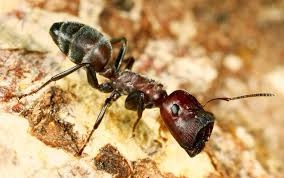
Situated in the shadows of the rainforest, the Colobopsis explodens ants are one of the most fascinating examples of nature’s ingenuity. These notorious creatures, besides being ants, are true guardians of their colonies, adopting a defense style that borders on the surreal: self-explosion. With a simple act, they sacrifice their own lives to protect the nest from predators and threats.
Unique Characteristics
The Colobopsis explodens have a body adapted for their bold strategy. When threatened, the defensive ants contract specialized muscles around glands in their abdomen, preparing for the explosion. The release of a sticky and toxic fluid hits the predators, driving them away instantly. This action is not merely an act of desperation, but rather an evolutionary tactic that ensures the survival of the group.
Ecological Importance
Beyond the remarkable individual sacrifice, the role of Colobopsis explodens ants in their ecosystem is vital. They control the population of various pests that could threaten other species. While their sisters swim in a sea of cooperative strategies, the explosion serves as a strong warning that the life of the colony is worth more than a single individual. Thus, these little warriors play a crucial role in maintaining ecological balance. This fascinating phenomenon leads us to reflect on the complexity of wildlife. Now, let’s dive into the science behind this self-explosion, revealing the cellular mysteries that make it possible.
The Science Behind Self-Explosion
Imagine a tiny body, seemingly fragile, that transforms into a reluctant bomb. The explosive suicide ants of the Colobopsis explodens species challenge us to understand the complexity of their behaviors. Through a fascinating and terrifying process, these creatures not only defend themselves but also offer an extreme sacrifice aimed at protecting their colony.
Mechanisms of Explosion
The self-explosion of the ants is a biologically complex process. Initially, the ants have specialized glands filled with chemical substances, such as toxic peptides and other organic compounds. When threatened, they contract the muscles of the abdomen, rupturing the membranes of the glands. This rupture is the trigger that releases an eruption of toxic fluids, forming a deadly cloud for predators. Furthermore, the cell ruptures explosively, resulting in a dispersion of chemical compounds, such as formic acid, which poisons any potential target. In this way, the unity of the ant’s body becomes a strategic target, impressively manipulating chemistry for collective defense.
Effects on Predators
Interestingly, predators seeking the explosive ants are often caught off guard by this chemical defense. When exposed to the flow of these substances, they quickly recognize the danger and retreat. Thus, the ants, by giving up their lives, protect their sisters and the future of the colony. As discussed, these extraordinary defense strategies illustrate the complexity of social behaviors among insects. As we explore the intricate fabric of altruism, the next chapter will reveal how these sacrifice instincts shape their interactions and survival.
Survival Strategies and Altruism
The Colobopsis explodens ants exhibit behavior that shocks and fascinates. In a world where individual survival is often the priority, these ants adopt a mystical strategy: sacrifice for the group. This act is not merely an act of desperation but an intricate dance of altruism. When the colony is threatened, some ants transform their bodies into biological bombs, detonating a toxic mixture that becomes a lethal barrier for predators. This intriguing behavior reveals complex aspects of altruism in the animal kingdom.
The Evolution of Altruism Among Social Insects
Altruism, in its essence, challenges the logic of natural selection. While the tendency is the survival of the fittest, ants like the Colobopsis exemplify a fascinating exception. The act of sacrificing oneself to protect other ants provides a clear benefit to the colony. When we observe the dynamics of these colonies, we notice that collective well-being counterbalances individual interests. Thus, group defense is often prioritized over individual survival.
The social interaction among ants is a vital factor in this process. Ants that cooperate and sacrifice for their siblings ultimately promote the perpetuation of their genes. The biology of these creatures reveals that, for some, the value of contributing to the safety of the group outweighs their own life. This principle is reflected in other aspects of nature, where sacrifice takes various forms, creating a delicate balance between life and death in the quest for survival.
Defense and Unity of the Colony
When examining the behavior of explosive suicide ants, we notice the importance of group defense. They unite in response to danger, demonstrating that social cohesion is perhaps the most crucial aspect for survival. This altruistic behavior inspires a deep respect for the complexity of life in colonies, where each individual plays a fundamental role.
Ultimately, the Colobopsis explodens offer us a profound understanding of social dynamics. As we explore these incredible behaviors, we realize that the line between sacrifice and survival is often thin. The fascinating journey of these ants’ lives continues to reveal secrets about altruism, a theme that resonates in our broader understanding of the natural world and its interactions.
In this context, the ants not only protect their colony; they highlight a primordial connection that could describe the very fabric of life. This theme now leads us to reflect on the impact of these ants on their ecosystem, where the bonds they form intertwine with the complexity of social life.
Impact of Ants on the Ecosystem
Imagine a world where survival depends not only on size or strength but also on self-sacrifice. In this intriguing universe, we find the Colobopsis explodens ants, whose lives, though brief, have a profound and decisive impact on their ecosystem. This chapter invites us to explore the influence of these ants, from the heroic death of some to the impact on the structure and functioning of the community they inhabit.
The Role of Colobopsis in Ecosystem Maintenance
The explosive suicide ants play a vital role in protecting the anthill. When threatened, they employ a drastic tactic: they explode their glands, releasing a sticky substance that can neutralize enemies, such as other insects. In doing so, they not only preserve the colony but also significantly influence the dynamics of neighboring populations. Some predator species, upon realizing that risking an invasion of Colobopsis territory could result in an explosion, change their foraging trajectory, impacting the local food chain.
Interactions with Other Species
Beyond predator-prey relationships, Colobopsis also interact with multiple species of plants and fungi. They often cultivate fungi in their colonies, which can improve soil quality through the decomposition of organic material. These interactions result in a healthier and more biodiverse environment, showing that even small beings have the power to shape their world. In fact, the symbiosis between ants and certain plants can facilitate the growth of specific plant species and the survival of other faunas. Thus, as we consider the profound wisdom of nature, we can see that even the smallest beings play a fundamental role in ecological balance.
Therefore, as we delve into their lessons, the question arises: what can we learn from these explosive suicide ants?
What Can We Learn from Them?
In a world where survival is a constant struggle against predators, the explosive suicide ants of the Colobopsis explodens species reveal an impressive tactic: extreme sacrifice in the name of the group. These little creatures teach us about the value of collaboration and altruism, fundamental elements not only in nature but also in our human interactions.
The Strength of Unity
Observing the behavior of these ants, it becomes clear that in crisis situations, unity can surpass individual strength. By sacrificing themselves instead of surrendering to enemies, these ants ensure the protection of their colony. This leads us to reflect on how, in our lives, we can strengthen community ties and seek collective solutions to the challenges we face, thereby promoting a more supportive environment. Environmental conservation directly benefits from collaborative actions, where the unity among communities and the protection of biodiversity become essential.
Resilience and Strategy
Moreover, the grim yet effective strategy of suicide ants teaches us about resilience in the face of adversity. They show that sometimes the hardest path may be necessary to ensure a better future. This principle can be applied in our lives, as it reminds us that it is vital to face challenges with courage and vision. When we look at environmental conservation, we must adopt the same determination; climate change requires a commitment from all of us, and small choices can have a significant impact. Thus, we learn that the lessons of nature can guide concrete actions in our lives.
Therefore, as we bid farewell to the fascinating explosive suicide ants, we carry with us the valuable lessons of solidarity and resilience that can guide us toward more sustainable and harmonious directions.
Conclusions…
The Colobopsis explodens ants reveal the complexity of nature and the survival strategies that arise in response to threats. By studying them, we can learn about the resilience of the ecosystem and collective protection. Although self-sacrifice may seem extreme, it is a testament to the evolution and adaptation of species in the face of danger. These ants not only defend their colonies but also provoke reflections on the evolution of social behavior in insects.
Did You Know?
What are explosive suicide ants?
They are ants of the Colobopsis explodens species that use an extreme defense tactic where they self-explode to protect the colony.
How do the explosions of the ants work?
They have special glands that store toxic fluids, releasing them in a suicidal effort against predators.
Is this tactic common among other ant species?
No, self-explosion is an extremely rare and specific tactic of Colobopsis explodens.
Why do the ants self-sacrifice?
To protect the colony, preserving other ants and their offspring, an act of extreme altruism.
Do explosive ants have an effect on the ecosystem?
Yes, they help regulate predator populations and maintain ecological balance.
How does the explosion process occur?
When threatened, they contract and release their secretions, causing an explosion that spreads the poison.
What is the role of ants in nature?
They perform essential functions, such as pollination, pest control, and decomposition of organic matter.
Are there other defense strategies in ants?
Yes, many ant species use stings, acid sprays, or form closed colonies as defense.