The Fascinating Titicaca Frog: Survival in the Andean Waters
The Titicaca frog is an extraordinary example of Andean biodiversity. With its skin gills, this frog has remarkably adapted to its unique habitat, becoming a symbol of ecological resilience.
The Evolution of the Titicaca Frog
In the heart of the majestic Andean mountains, we find the incredible Titicaca frog, a creature that defies time and the adverse conditions of its habitat. This amphibian, native to Lake Titicaca, is not just a wonder of nature; it exemplifies the beauty of evolution through unique adaptations that ensure its survival. Thus, as we closely examine its morphological characteristics, we witness an incredible narrative of survival in the cold, oxygen-rich waters of this high-altitude lake.
Fascinating Respiratory Adaptations
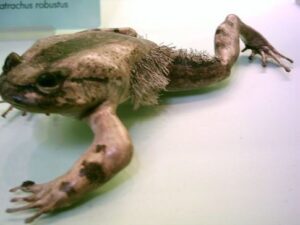
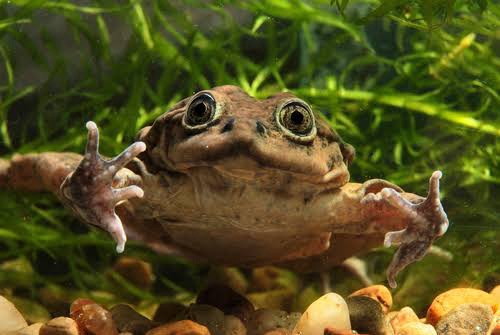
The Titicaca frog has extremely thin and permeable skin, which not only makes it vulnerable but also essential for its respiration. While many amphibians rely on lungs, this species has adapted to efficiently obtain oxygen through its skin. The high vascularization of the dermis allows gases to diffuse directly into the bloodstream, an adaptation that is crucial in an environment where oxygen is scarce.
On the other hand, the external gills are a remnant of earlier developmental stages, still serving as an additional means of oxygen extraction. These structures are adapted to the aquatic environment, providing the Titicaca frog with a surprising advantage in its habitat. Therefore, while water temperature and acclimatization are constant challenges, these marvelous adaptations play a vital role in its struggle for survival.
Morphological Characteristics and Resilience
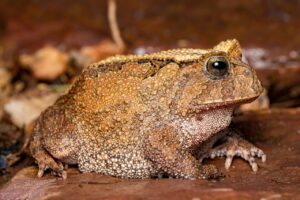
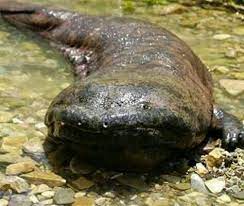
In addition to its respiratory adaptations, the morphological characteristics of the Titicaca frog reflect its longevity and resilience. Its robust size and compressed body allow it to move efficiently among rocks and aquatic vegetation. The dark coloration serves a purpose: to camouflage itself from natural threats, such as predators and climate changes.
Such characteristics not only help the Titicaca frog survive but also thrive, even in the most challenging conditions. As we explore more about the ideal habitat that Lake Titicaca offers, we feel the urgency to protect this jewel of biodiversity, as its survival depends on a complex web of interactions and adaptations that make it truly unique.
Lake Titicaca: The Ideal Habitat
One of the most fascinating places on the planet is nestled among the Andean mountains: Lake Titicaca. This lake, the highest in the world and one of the largest in South America, is home to the iconic and threatened resident, the Titicaca frog. As we delve into the crystal-clear waters of the lake, we discover a rich and diverse ecosystem, essential for the survival of this singular species.
Exceptional Environmental Conditions
Lake Titicaca presents unparalleled health, with its cold waters ranging between 9°C and 19°C. These temperatures, combined with the high altitude, create a perfect microclimate for the Titicaca frog. However, what truly stands out is the abundance of aquatic vegetation, such as bulrushes, which provides shelter and food for the amphibians. Moreover, the presence of various species of algae supplies vital nutrients, allowing the frog to thrive in its waters.
Interconnected Ecosystem
This lake is not just a body of water; it is a vibrant home to a variety of organisms. Fish such as tilapia and trout coexist harmoniously with the Titicaca frog, creating a complex food web. Additionally, aquatic birds, like the pygmy grebe, contribute to the dynamics of the ecosystem by feeding on small invertebrates, which are also part of the frog’s diet. Thus, the balance in Lake Titicaca is crucial for the preservation of its endemic species.
In this way, the unique characteristics of Lake Titicaca, such as the diversity of aquatic life and the quality of its waters, are determinants for the survival of the enigmatic Titicaca frog. As we explore this unique habitat, we realize the interdependence of species and the importance of protecting them. Therefore, as we look at this fascinating ecosystem, we are led to appreciate the intricate dance of life that occurs beneath the serene surface of this lake.
As we dive deeper into the waters of Titicaca, we are confronted with a growing challenge, as human activities begin to threaten not only the Titicaca frog but the entire ecosystem it inhabits.
The Threat of Human Activity
The Titicaca frog, a majestic and emblematic creature of the deep waters of Lake Titicaca, faces an unprecedented challenge. Human actions, in their relentless pursuit of progress, have created a tide of devastating consequences for this unique amphibian. As pollution in water bodies increases, the life of this frog is threatened at every moment, transforming what was once a pure habitat into a hostile environment.
Pollution and Its Effects
The serene water range where the Titicaca frog resides is now filled with toxic substances. Industrial waste and domestic sewage contaminate the waters, reducing the vitality of its habitat. Undoubtedly, these toxins affect the health of the frogs, causing deformities and mortality. Thus, in a cruel cycle, pollution compromises food resources and environmental quality, making the survival of each generous stretch of frog a heroic act.
The Impact of Climate Change
But the threat is not limited to pollution. Climate change also presents itself as a formidable enemy. With rising temperatures and changing precipitation patterns, the waters of Lake Titicaca face recurring droughts and devastating floods. This environmental instability not only harms adult frogs but also compromises the reproduction and survival of larvae. These challenges make the future of the Titicaca frog seem bleak.
As we observe the struggle of the Titicaca frog, we are reminded that our activity on the planet has real and lasting consequences. And so, the discussion turns to the efforts needed to ensure the survival of these magnificent creatures that inhabit the Andean waters.
Conservation Efforts
As the waters of Lake Titicaca reflect the majestic Andes, the Titicaca frog (Telmatobius culeus) faces an uncertain fate. This unique aquatic creature, a symbol of Andean ecosystems, is threatened by factors such as pollution and habitat loss. Thus, conservation initiatives aim not only to protect the species but also the complex web of life in which it plays a vital role.
Ongoing Initiatives
Currently, various organizations are committed to protecting the Titicaca frog. Research and monitoring projects are underway, seeking to understand the nuances of its biology and ecology. Moreover, raising awareness among local communities is essential. Programs have been implemented to educate residents about the importance of this species and its habitat. Initiatives like these are crucial, as the preservation of the frog is directly linked to the health of the lake and, consequently, the survival of other species.
The Path Forward
Looking to the future demands a multifaceted approach. After all, creating protected aquatic reserves can offer a safe sanctuary for the Titicaca frog and its kind. Additionally, strengthening environmental protection policies is essential to ensure that water resources are managed sustainably. Thus, collaboration between communities, scientists, and policymakers stands out as an effective strategy. We all must participate. Therefore, a future in which the Titicaca frog continues to inhabit the clear waters of the Andes is not just a dream but a real possibility.
This joint effort is vital for the survival of the frog, a true treasure of the Andean waters. Now, with a deeper understanding of its importance, we move to the next step: the symbolic relationship that the Titicaca frog has in the culture of the communities surrounding this significant lake.
The Titicaca Frog in Andean Culture
The Titicaca frog, with its peculiar appearance and unique habitat, is not only a fascinating wonder of nature but also a profound cultural symbol among the communities surrounding the magnificent Lake Titicaca. Since time immemorial, this amphibian has intertwined with the legends and traditions of Andean populations, representing an essential connection between the natural environment and daily life.
A Certain Symbolism
For the communities living along the shores of Lake Titicaca, the frog is seen as a symbol of fertility and abundance. Its presence is often associated with spiritual beliefs that emphasize the interdependence between humans and nature. Furthermore, Telmatobius culeus is frequently mentioned in agricultural rituals, where blessings for prosperous harvests are sought. These rituals demonstrate a deep reverence for local fauna and recognize the vital role that the frog plays in preserving the aquatic ecosystem.
Folklore and Tales
Stories about the Titicaca frog are rich and varied. Many of them revolve around myths that speak of transformation and resilience. In some tales, the frog is portrayed as a messenger between worlds, capable of bringing wisdom and protection. Thus, it becomes a central element in the narration of fables that educate children about respect and protection of nature. As these stories are passed down from generation to generation, they not only preserve cultural memory but also foster a sense of responsibility for conservation.
Therefore, as we delve into the investigation of frogs and the efforts to safeguard this threatened species, it is imperative that we recognize its cultural significance. The symbiotic relationship between the frog and local communities reminds us that, in truth, we are all interconnected.
Conclusions…
The Titicaca frog is a fascinating example of adaptation and resilience. Its ability to absorb oxygen through skin folds makes it a unique species in the cold waters of the lake. Besides being an important part of the local ecosystem, the frog is also a symbol of the natural wealth of the region. With increasing human activity and climate change, it is essential that conservation measures be adopted to preserve this emblematic species and its habitat. Protecting the Titicaca frog is not just about caring for an animal; it involves preserving the culture and biodiversity of the entire Andean region.
Did You Know?
What is the Titicaca Frog?
The Titicaca frog (Telmatobius culeus) is a native species of Lake Titicaca, known for its skin folds that function as gills, allowing it to breathe underwater.
Where does the Titicaca Frog live?
It inhabits Lake Titicaca, which is located on the border between Peru and Bolivia.
Why is the Titicaca Frog unique?
Its uniqueness lies in the skin folds that act as gills, enhancing oxygen absorption in water.
What is the conservation status of this species?
The Titicaca frog is threatened due to pollution, habitat loss, and climate change, requiring conservation efforts.
How do the adaptations of the Titicaca Frog help its survival?
The skin gills allow the frog to better utilize oxygen, essential for survival in its aquatic habitat.
What is the importance of the Titicaca Frog in local culture?
The frog is considered a cultural symbol for local communities and represents the biodiversity of the Andean region.
What threats does the Titicaca Frog face?
The main threats include water pollution, over-exploitation, and climate change.
What can be done to protect the Titicaca Frog?
It is necessary to promote habitat conservation, reduce pollution, and educate communities about the importance of this species.