Sepia: The Mystery of the Marine Enchantment
Sepia is an extraordinary marine creature whose mysteries awaken curiosity and fascination. Its unique characteristics often lead to comparisons with creatures from other planets.
A Glimpse at the Sepia
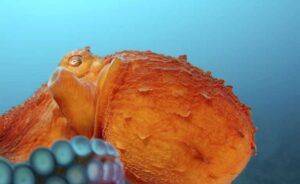
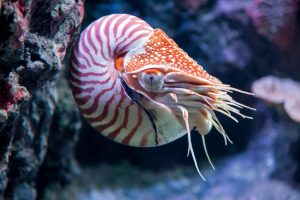
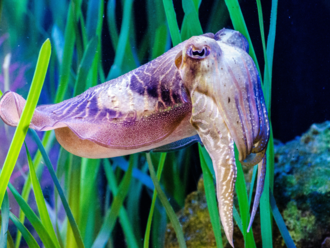
At first glance, the sepia may seem just another inhabitant of the vast ocean. However, upon examining its fascinating features, one realizes that it is a true marvel of marine evolution. The bold eyes of the sepia, with their unique shapes, serve as a window into the underwater world through which it observes everything with impressive precision.
Highlighted Physical Characteristics
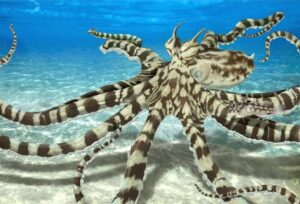
The sepia is remarkable not only for its eyes but also for its physical form. Its body is laterally compressed, allowing it to move with elegance. Its skin, filled with specialized cells called chromatophores, provides the ability to change color instantly. Thus, the sepia can camouflage itself among vibrant corals and colorful anemones, becoming almost invisible to predators. Additionally, its delicate and flexible fins help it maneuver gracefully through the waters, while its sensitive tentacles ensure it can capture its prey efficiently.
A Marine Inhabitant in Perspective
The sepia is not just an example of physical adaptation; it also plays a crucial role in its ecosystem. It feeds on crustaceans and small fish, contributing to the balance of the food chain. Furthermore, its behavior and interactions with other species offer a fascinating insight into the complex marine relationships. Ultimately, the sepia is not only a being of undeniable beauty but also a symbol of the intricate dance of life in the ocean.
As we take a closer look at the sepia, we understand the importance of its camouflage, which will be explored next, revealing even more about its wonders and survival strategies.
Camouflage and Its Wonders
As we explore the depths of the ocean, we encounter the sepia, a master of camouflage. In the subtle dance of the waters, its ability to adapt to the environment is nothing short of fascinating. By hiding among rocks and corals, the sepia utilizes a palette of colors and textures that can change dramatically, becoming almost invisible to the eyes of potential predators. This is a triumph of evolution, destined for survival.
The Magic of Color and Texture
The special pigments within its dermal cells, known as chromatophores, allow the sepia to alter its coloration in a matter of seconds. When approaching a surface, it can, for example, mimic the patterns of a rock or reflect the ambient light. This perceptual variation, resulting from a highly developed nervous system, not only confuses predators but also aids in the approach of prey. Thus, it is not just a defensive act but also an offensive strategy.
Moreover, the sepia can balance its coloration in different habitats. In shallow waters, it mimics shades of brown and green. In deeper locations, it can transform into darker tones. This adaptability is crucial in a world where the battle for survival is constant.
An Adaptive Lifestyle
Understanding the camouflage of the sepia is essential to comprehend its ecology. With each camouflage, it becomes a shadow in the environment, evading predators while waiting for the right moment to strike. This strategy of defense and attack creates a symphony of survival in the aquatic environment. Therefore, when we talk about the similarity between the sepia and other marine beings, such as the famous squid, we notice that various adaptations play similar roles in their ecosystems. With this, we move on to the study of the habits and diet of the sepia, the next piece in this intricate puzzle of marine interactions.
Habits and Diet
In the vast marine kingdom, the sepia stands out as a masterpiece of nature, intrinsically linked to the dynamics of the ecosystem. With an adaptable body and cunning behavior, this exploratory mollusk reveals an impressive variety of feeding habits that shape its existence and position in the food chain.
The Diverse Diet of the Sepia
This fascinating animal is an opportunistic predator. Its diet, rich in crustaceans, small fish, and mollusks, allows the sepia to remain in a state of constant adaptation. Equipped with agile tentacles, it captures its prey with precision, taking advantage of its camouflage characteristics. Thus, the sepia becomes both hunter and prey, depending on the environment it finds itself in. Furthermore, such feeding habits have a direct impact on the dynamics of the marine ecosystem. As the sepia feeds, it controls the populations of its prey, contributing to a natural balance. For example, its role in regulating crustacean species is vital, just as the jumping spider functions in controlling insects in its habitat. This intertwining of lives and interdependence illustrates the complex web of life.
Impact on the Food Chain
On the other hand, the sepia also serves as food for larger predators, such as fish and seabirds. The position of the sepia in the food chain makes it a central piece in the trophic network. Its presence, therefore, is not only a testament to adaptation but also an indicator of marine health. By understanding how the diet of the sepia influences its survival, we can further appreciate the enchanting mystery surrounding this animal. As we continue our journey, we will delve into the complexities of the sepia’s life cycle, where we will explore its reproductive strategies and parental care, which play crucial roles in its continuity in nature.
Reproduction and Development
In the vastness of the ocean, an intimidating yet enchanting spectacle unfolds: the sepia’s mating dance. This fascinating marine mollusk, known for its intriguing behavior, reveals a life cycle that is both unique and vital for the continuity of its species.
Reproductive Methods
The reproduction of the sepia occurs in a ritual where males and females display vibrant colors, using their ability to change hues as a means of attraction. This fascinating phenomenon, observed in many marine species, highlights the importance of visual communication in this exciting process. After courtship, the female deposits her eggs in strategic locations, such as rocks or algae, ensuring protection through her choice of habitat.
Parental Care and Development
Once the eggs are laid, the mother demonstrates impressive parental care. She vigilantly defends her eggs from predators, using her skillful camouflage. After weeks, the hatchlings emerge, beginning their journey. As newborns, they are extremely vulnerable, but quickly learn to survive amid the ocean currents. During their first weeks, the little ones display bright colors and patterns to hide, mimicking various marine environments. This adaptation is critical, as the survival of each hatchling in a predator-filled ecosystem depends on their camouflage and evasion skills. Thus, as we analyze the reproduction and development of this magnificent animal, we realize how every aspect of its life is interconnected, setting the stage for a crucial role in the balance of the marine ecosystem, which will be explored in the next chapter.
The Sepia and the Ecosystem
When we dive into the depths of the ocean, we find the sepia, a creature that not only enchants with its beauty but also plays a crucial role in the marine ecosystem. This intriguing being, with its distinct shape and remarkable abilities, serves as a barometer of the environmental health of the waters it inhabits. Thus, observing and studying the sepia provides a powerful insight into the vitality of our oceans.
The Sepia as an Indicator of Marine Health
The presence of the sepia in an ecosystem is a positive sign. When the populations of these creatures are healthy, it generally means that the marine environments are balanced and that biodiversity is thriving. This is because sepias are sensitive to changes in their habitat, such as pollution and ocean acidification. Moreover, they are predators of various species, thus regulating the populations of other marine organisms. Therefore, the disappearance of the sepia can trigger a cascading effect, compromising the entire ecosystem.
Interactions and Balances
In addition to regulating biodiversity, sepias also interact with various organisms, such as fish and crustaceans. They are both predators and prey, creating a delicate balance. When pollution levels rise, this interaction becomes threatened. For example, the mitigation of these interactions may indicate that the ecosystem is under stress.
Thus, the sepia is not only a wonderful sea creature but also a symbol of the complexity and fragility of marine habitats. And as we advance in our understanding of marine life, we must remember the vital role that the sepia plays in our ecosystem. Therefore, when we look at these fascinating beings, we need to reflect on our own impacts on the waters of our planet. The health of the sepia is undoubtedly a reflection of the health of the oceans, which we must urgently protect.
Conclusions…
In summary, the sepia is a creature that transcends the common view of marine animals. Its unique abilities, both in communication and camouflage, position it as one of the wonders of the underwater world. Furthermore, its fascinating structure and intriguing behavior generate a certain air of mystery, making it seem almost alien. Understanding the sepia is not just about exploring a biological aspect but also admiring the complexity of marine life. Therefore, inspired by its presence, we must continue to promote the preservation of its habitat and research on these magnificent creatures.
Did You Know?
What is the sepia?
The sepia is a marine cephalopod belonging to the family Sepiidae, known for its ability to change color.
What is the main characteristic of the sepia?
Its camouflage and color-changing ability is one of its main characteristics, helping it protect itself from predators.
Is the sepia an extraterrestrial being?
Although the sepia has fascinating characteristics that may seem alien, it is a marine creature native to Earth.
How does the sepia communicate?
The sepia communicates through changes in color and patterns on its skin, as well as gestures and body movements.
What is the diet of the sepia?
The sepia primarily feeds on crustaceans, mollusks, and small fish.
Where can we find the sepia?
It is found in temperate and tropical waters, especially in sandy or rocky bottoms.
Is the sepia a social animal?
The sepia tends to be solitary, although it may be seen in areas where food is abundant.
How does the sepia reproduce?
The reproduction of the sepia occurs through the deposition of eggs in safe locations, where the female protects them until they hatch.