The Thaumoctopus Mimicus: The Master of Camouflage
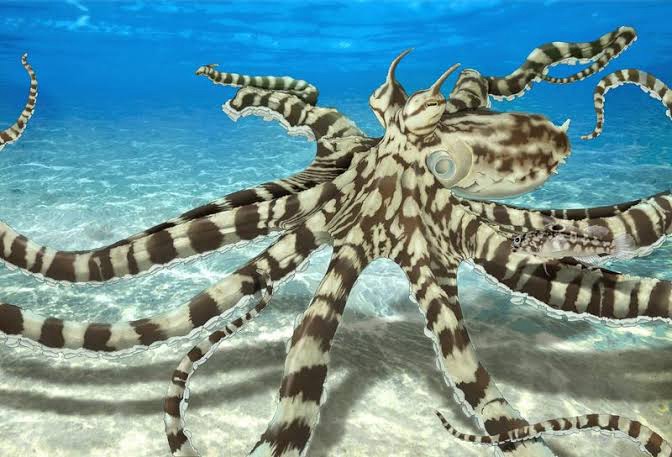
The Thaumoctopus mimicus is one of the masters of imitation in the animal kingdom. Its ability to replicate the shapes and colors of over 15 marine creatures is not only impressive but also vital for its survival. In this article, we will explore the secrets of this extraordinary camouflage.
The Ability to Imitate Marine Creatures
Imagine an artist who, with extreme skill, can transform its appearance into a variety of marine creatures. This is the astonishing reality of the Thaumoctopus mimicus, whose imitation capabilities challenge our understanding of marine biology. This remarkable octopus not only changes color but also alters its shape and texture to take on the appearance of other species, such as the feared sea snake and the venomous stonefish, for example.
The Magic of Imitation
To achieve this feat, the Thaumoctopus mimicus utilizes a combination of sensory perception and muscular control. Through chromatophores, cells in the skin that respond to environmental stimuli, it can modify its coloration almost instantaneously. Furthermore, the manipulation of skin texture allows it to imitate not only color but also the physical form of creatures around it. This multifaceted camouflage is vital for survival, providing defense against predators.
Evolutionary Advantages
The evolutionary advantages of such imitation skills are undeniable. By confusing predators and even prey, the octopus not only ensures its safety but also increases its chances of capturing food. This adaptive behavior reveals a fascinating example of evolution in action, where the ability to imitate marine creatures is not just a trick but a matter of life and death. The ability of an animal to blend in has been well documented in other species as well, as shown in studies on squid, demonstrating that imitation is a valuable trait in the world of invertebrates.
Thus, as we explore the depths of the octopus’s capabilities, it is essential to understand that this ability to deceive the senses does not end here. In the next chapter, we will delve into the intricate mechanisms behind this camouflage, investigating the chromatophores and other skin components that enable this impressive mutability.
The Mechanisms of Camouflage
Imagine a master of disguise. The Thaumoctopus mimicus not only changes color but transforms its entire appearance in a matter of seconds. In this chapter, we will explore the impressive biological mechanisms that enable this spectacular camouflage, engaging the reader in the fascinating complexity of this skill.
Chromatophores and Iridophores
Chromatophores are specialized cells that contain pigments. They are responsible for the vibrant colors we see in the octopus’s skin. Through muscular contractions, these cells expand or contract, allowing the octopus to alter its coloration in response to the environment. Additionally, the Thaumoctopus mimicus possesses iridophores, which reflect light at different wavelengths, creating shimmering patterns. Thus, the interaction between chromatophores and iridophores is fundamental to a display of impressive and versatile colors.
Texture and Shape
But the camouflage of this master of adaptation goes beyond colors. The octopus also has a remarkable ability to change the texture of its skin. The muscles beneath the skin can contract in such a way that they create bumps and ridges, simulating characteristics of the seabed, such as rocks or corals. This phenomenon not only makes the camouflage more effective but also aids in evading predators.
As a result, the extraordinary ability of the Thaumoctopus mimicus to transform instantly illustrates the ingenuity of evolution. These adaptations are not only fascinating but essential for the animal’s survival. With this, we can move on to the advantages of imitation in the life of this multifaceted octopus, where camouflage promotes protection and efficiency in hunting.
Advantages of Imitation
Imagine a skilled artist of disguise, capable of transforming into a variety of fascinating creatures, all to ensure its survival in the complex marine ecosystems. The Thaumoctopus mimicus is indeed this remarkable artist, whose camouflage skills go far beyond mere concealment. It is an impressive example of how imitation can offer various advantages in the animal world.
Protection Against Predators and Increased Hunting Efficiency
One of the main advantages of the imitation of the Thaumoctopus mimicus is protection against predators. By taking on the appearance of dangerous marine species, such as the sea snake or a lionfish, this octopus becomes less appealing to those who consider it a potential meal. This behavior inhibits attacks, allowing the octopus to remain safe in environments where many others would not survive.
Moreover, the ability to disguise itself increases hunting efficiency. When it camouflages as prey, it can approach its victims unnoticed. This clever strategy allows it to capture small crustaceans and fish with surprising success. Thus, imitation is not only a defensive trick but also a deadly attack technique.
Impact on Social and Reproductive Behavior
The impact that imitation has on the octopus’s social behavior cannot be overlooked. By disguising itself as other species, it can reduce unwanted or hostile interactions while still interacting with conspecifics more effectively. This ability can ultimately affect its mating opportunities, making individuals more attractive to potential partners who value camouflage skills. In a society as interconnected as that of octopuses, these advantages are invaluable.
Thus, as we understand the nuances of the Thaumoctopus mimicus’s imitation, we realize that it is much more than a master of camouflage—it is a cunning strategist shaped by the need to survive in this fascinating and dynamic marine environment. With this in mind, we are led to explore the more than fifteen species it is capable of imitating, further expanding our understanding of this incredible creature.
The Species It Imitates
The art of imitation, so developed in the Thaumoctopus mimicus, is a testament to evolution and adaptation in a marine environment filled with predators. This mollusk not only changes its color but also its shape, emulating various species to protect itself and survive. The ability to transform into something entirely different is not just a curiosity; it is a vital strategy for maintaining life in the unstable underwater ecology.
Imitations for Survival
Among the more than fifteen species that the Thaumoctopus mimicus can imitate, notable creatures include the cod, a species that can intimidate potential predators due to its size and appearance. By imitating it, the octopus becomes less recognizable and less appetizing. Additionally, it can emulate the scorpion fish. This imitation provides effective defense, as the scorpion fish is known for its venom and spines, creating an association of risk for anyone daring to attack it.
Other examples include the imitation of lionfish and jellyfish, both organisms notorious for their chemical and physical defenses. By deceiving both predators and prey, the octopus gains a significant advantage in its habitat, allowing it to explore food riches without fear. The ability to evade or even prey becomes a reflection of its versatility and intelligence.
Benefits of Camouflage
This camouflage greatly enhances its chances of survival and reproduction. In the context of coral reefs, for example, the transformations of the Thaumoctopus mimicus play a crucial role, as this behavior can influence local population dynamics. The ability to change shape as needed stands out as an impressive example of evolutionary adaptation.
Thus, the Thaumoctopus mimicus is not only a master of camouflage but a true strategist in the game of marine life, reaffirming the importance of diversity within ecosystems like ours. The lessons it teaches us about adaptation and survival are both fascinating and essential for understanding the natural world.
Conservation and Ecological Importance
Imagine a master of camouflage, capable of transforming its appearance into a vibrant spectacle of colors and shapes. This is the Thaumoctopus mimicus, not just an octopus but a symbol of the interconnectedness between marine species and their habitats. As we dive into the biodiversity-rich waters where it lives, we realize that the conservation of coral reefs is crucial to ensure the survival of this master of adaptation.
Fragile Ecosystems
Coral reefs, vital nurseries of marine life, face considerable threats. First, climate change has led to rising water temperatures, resulting in significant bleaching events. This condition not only affects the vibrant colors we know so well but also compromises the marine communities that depend on the reefs for sustenance. Such a situation directly impacts the Thaumoctopus mimicus, whose camouflage is most effective in healthy and diverse environments. Therefore, by protecting the reefs, we are ensuring the future of this intriguing cephalopod and many other species.
Conservation as a Priority
Beyond environmental effects, pollution represents another significant threat. Pollutants and plastics can alter the octopus’s natural habitats and, consequently, its ability to camouflage. Therefore, conservation initiatives focusing on reducing marine pollution are indispensable. Thus, protecting the Thaumoctopus mimicus is an essential part of marine ecosystem preservation. This species, with its beauty and adaptation, is not only a wonder of nature but also an indicator of the conditions of its habitat. The voices calling for conservation are, therefore, voices that cry out for life in the sea. Thus, as we explore the life and challenges of the Thaumoctopus mimicus, we begin to understand the delicate balance that sustains marine ecosystems, preparing us for the discussion on how fire plays a fundamental role in survival in more challenging environments.
Conclusions…
The Thaumoctopus mimicus shows us the wonder of adaptation in the animal kingdom through its impressive ability to imitate shapes and colors. This capacity not only highlights its intelligence but also underscores the importance of camouflage for the survival of species. By better understanding this incredible octopus, we can appreciate even more the complexity of marine ecosystems and the diversity of life that inhabits our oceans. Protecting this vital habitat is essential to ensure that this and other species can thrive for many generations.
Did You Know?
- What is the main skill of the Thaumoctopus mimicus? Its main skill is imitation, being able to replicate the appearance of over 15 different marine species.
- How does the octopus change color? The octopus has special cells in its skin called chromatophores that allow for color and texture variation.
- What makes the Thaumoctopus mimicus stand out among other octopuses? Its ability to uniquely imitate other creatures is what sets it apart, aiding in both predation and defense.
- Which animals can the octopus imitate? It can imitate creatures such as sea lions, parrotfish, among others.
- In what habitat is the Thaumoctopus mimicus found? This octopus is found in coastal waters of Southeast Asia, primarily in coral reefs.
- What is the importance of camouflage for the octopus? Camouflage is crucial for its protection against predators and for approaching its prey more effectively.
- How does imitation help in the reproduction of the Thaumoctopus mimicus? Imitation can be used during courtship to impress potential partners, increasing reproductive chances.
- What is the average size of the Thaumoctopus mimicus? This octopus typically reaches a size of about 60 cm, but it can vary.