The White Swan: A Symbol of Elegance and Natural Beauty
The white swan is one of the most beautiful and elegant aquatic birds. With its immaculate plumage and fluid movements, this bird stands out not only in nature but also in human culture, symbolizing purity and love. Let’s explore the fascinating life of the white swan, its habitat, diet, and cultural significance.
The Origin and Habitat of the White Swan
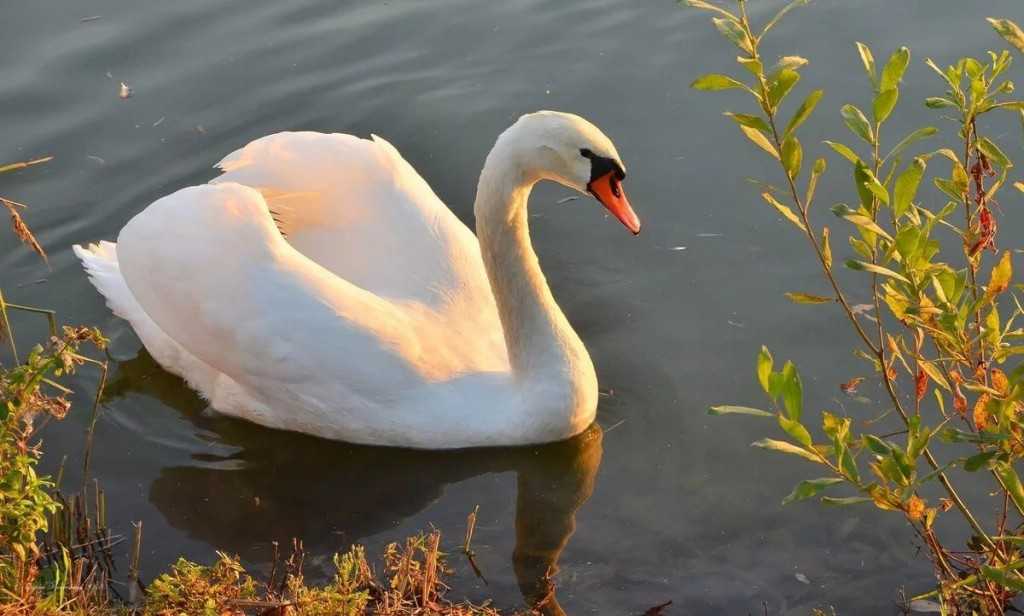
The white swan, one of the most majestic aquatic birds, has origins that date back to ancient times. Primarily found in Europe and Asia, its scientific name is Cygnus olor. These magnificent birds are recognized for their immaculate white plumage and long, elegant necks. They stand out in places where natural beauty meets the tranquility of waters. Their preferred habitats include lakes, rivers, and marshes, where aquatic vegetation is abundant. These areas provide not only shelter but also a range of essential resources. The vegetation offers food and protection against predators. The choice of habitats reflects their adaptations. White swans are exceptional swimmers, capable of moving gracefully in shallow and deep waters. The shape of their bodies and the position of their legs allow them to move efficiently. Moreover, their long necks are incredible tools for foraging. They can reach underwater vegetation to feed, a vital skill for their survival. The presence of lakes and rivers is crucial. These aquatic environments sustain the entire life of white swans, providing both food and nesting sites. The ecological balance of these areas is fundamental, as pollution and destruction can severely impact these magnificent creatures. Therefore, white swans are not only icons of beauty but also indicators of the health of our aquatic ecosystems. To better understand aquatic life, learn more about birds that inhabit these environments.
Feeding and Behavior
The white swan is indigenous to calm waters and serene lakes. Its diet is predominantly herbaceous. It feeds on a variety of aquatic vegetation, including submerged plants, algae, and roots. Swans have long necks that allow them to easily dive for food at the bottom of water bodies. When feeding, they perform a graceful motion, leaning forward and pulling up vegetation. Additionally, they also eat grain scraps and even small invertebrates when available. This ensures a balanced diet, essential for their health and well-being.
Swans are known for their intriguing social behavior. They usually feed in groups, and this interaction is vital for their survival. Swans communicate through vocalizations and postures, establishing social hierarchies within their flocks. This behavior is fundamental, as in shared environments, swans compete for food. When one swan finds a rich foraging spot, others quickly join, creating a spectacle of pure enchantment.
Besides group interactions, the white swan is an excellent defender of its territory. In addition to gathering to feed, swans also protect each other, alerting one another to predators. This social dynamic is fascinating and illustrates the complexity of interactions among these magnificent birds. For more information on social interactions in nature, visit here.
The Reproductive Life of the White Swan
White swans, majestic beings, bring unmatched beauty to the natural world. Their reproductive life is a spectacle that reflects the harmony of nature. Mating occurs in spring when males perform impressive displays. They engage in graceful dances, puffing up their feathers and making enchanting vocalizations. These performances attract females, forming strong and lasting bonds that often endure for life. Once formed, the couple dedicates itself to building a nest. Carefully choosing locations near water, females use aquatic vegetation, twigs, and feathers. The nest is a fortress, protecting the eggs from predators and the elements. After 35 days of incubation, the hatching of the cygnets is an exciting moment. The little swans, called cygnets, are immediately covered in soft gray down. From the start, the parents care for the cygnets, guiding them to the water and teaching them to swim. This interaction is crucial for the survival of the birds. The leadership of the parents provides security and support while the cygnets learn to feed and navigate their environment. The importance of nests cannot be underestimated. A well-built nest ensures the protection and comfort of the eggs and cygnets. Without a safe nest, the offspring face imminent dangers from predators. Thus, the reproductive life of the white swan is a cycle of care and protection that ensures the continuity of its species. To learn more about the impressive characteristics of other aquatic birds, you can read about the Anhinga.
White Swan in Culture and Art
The presence of the white swan in art and literature has been a perennial source of inspiration. Its elegance and unmatched beauty make it a symbol of purity, grace, and transformation. From classical literature to the canvases of Renaissance painting, its image is often associated with the ideal of sublime beauty. In the famous ballet ‘Swan Lake’ by Tchaikovsky, the white swan represents innocence and fragility. On the other hand, its counterpart, the black swan, suggests the duality of life and the challenges faced. This narrative of opposition reflects the complexity of the human condition. In art, swans are often depicted in aquatic landscapes, symbolizing tranquility and harmony. Paintings by artists like John James Audubon showcase swans in their natural habitat, emphasizing the serene beauty of nature. In many cultures, the white swan is considered a spiritual messenger. In Norse mythology, it is associated with the goddess of fertility, Freyja, symbolizing love and rebirth. Furthermore, in literature, swans appear in fables and tales, often representing transformation. The tale ‘The Swan Princess’ exemplifies this idea, where the battle between good and evil unfolds. In popular culture, films and songs also utilize the image of the white swan to evoke feelings of love and devotion. With its rich symbolism, the white swan continues to fascinate artists and audiences, solidifying its place in the global cultural heritage. To learn more about fascinating birds, visit this article about the Anhinga.
Conservation and Threats
The white swan, a symbol of beauty and grace, faces significant challenges in its natural habitat. The loss of wetlands, where this majestic bird breeds and feeds, is increasing. Urban development and intensive agriculture are the main culprits behind this degradation. These environments are more than just simple living spaces; they are rich ecosystems that sustain life. Without them, the white swan cannot thrive.
Water pollution also poses a critical threat. Chemicals and human debris contaminate the lakes and rivers where swans feed. Plastic waste, often ingested by aquatic birds, can cause serious health problems. Additionally, agricultural runoff enriches the water with nutrients, leading to algal blooms that reduce water quality and harm aquatic life.
Climate change, another factor at play, alters migration patterns and aquatic ecosystems. Rising water temperatures and variations in humidity levels can drastically affect food availability.
Fortunately, conservation efforts are underway. Dedicated organizations are working to restore habitats and reduce the impacts of pollution. Public education plays a vital role in raising awareness about the importance of protecting these beautiful birds. Learning more about aquatic birds and their needs is essential for their survival. These efforts, combined with preservation policies, are crucial to ensure that the white swan continues to beautify our lakes and rivers.
Conclusions…
The white swan represents more than just beauty; it is a symbol of connection with nature and culture. Its presence reminds us of the importance of conserving aquatic habitats and how birds play a vital role in ecosystems. Preserving these magnificent creatures should be a priority for all of us.
Did You Know?
- What is the natural habitat of the white swan?
The white swan is often found in lakes, rivers, and wetlands, where it can swim and feed on aquatic vegetation. - What does the white swan eat?
Its diet primarily consists of aquatic plants, leaves, roots, and occasionally small invertebrates it finds in the water. - Why is the white swan a symbol of elegance?
Its impeccable white plumage and graceful movements have made it an icon of beauty and sophistication in various cultures around the world. - How do swans communicate?
Swans communicate through a variety of sounds, including grunts and whistles, to establish territories and interact with other members of their species. - What is the importance of the white swan to the ecosystem?
These birds play a crucial role in controlling aquatic vegetation, helping to maintain ecological balance in their natural habitats.