Stick Insects: Masters of Disguise in Nature
Mimicking the essence of nature, stick insects are remarkable creatures that remind us of the complexity of evolution. In this article, we will explore the biology, behavior, and habitat of these ingenious insects that disguise themselves as pieces of wood.
The Strange Appearance of Stick Insects
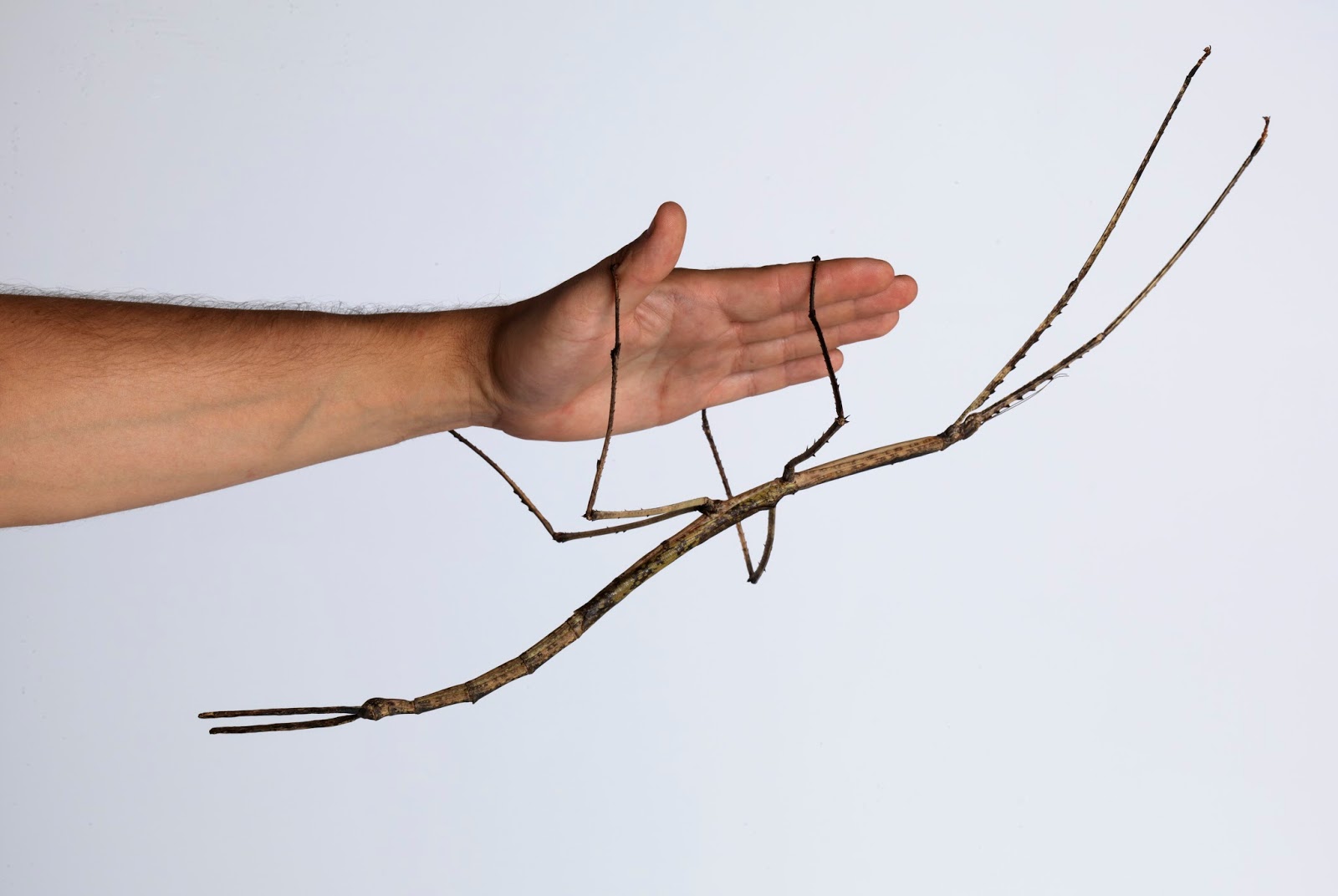
Stick insects are spectacular in their unique and fascinating appearance. They have a slender body that can vary in length, reaching up to 30 centimeters. This elongated shape is not only impressive but essential for their survival. The slender body allows them to blend into their environment, mimicking branches and twigs, becoming almost invisible to agile predators. The texture of their skin is another sublime touch of adaptation. The surface can have a relief similar to that of tree bark or leaves, further enhancing their camouflage.
The coloration of stick insects also varies, ranging from earthy browns to vibrant greens. This color palette is not random but a perfect evolutionary strategy. The colors and patterns adapt to the habitat, whether in the forest, where shades of green prevail, or in dry areas with brown tones. Furthermore, some stick insects exhibit impressive features, such as spine-like structures or leaf-like appendages that not only aid in mimicry but also add a protective barrier against predators.
Their strategy of remaining motionless is equally effective. The stick insect will wait for long periods, almost in a state of starvation, just to avoid detection. This intensely specialized morphology and behavior make the stick insect a master of camouflage, essential in a world full of predators. For more details on fascinating creatures that camouflage, see the article on the jumping spider.
The Art of Camouflage
Stick insects, true masters of camouflage, know that their survival depends on their ability to blend into their environment. Camouflage is an evolutionary strategy that reduces the likelihood of being detected by predators. These insects resemble branches, leaves, and other elements of vegetation, creating a visual trap that confuses even the most attentive eyes. With this ability, they can remain motionless for long periods, going unnoticed. Evolution has favored those who developed shapes and patterns that resemble their natural habitat.
Camouflage is not just a matter of appearance but of survival. Stick insects face various predators, such as birds and reptiles, which are cunning hunters. By camouflaging themselves, these insects hide in plain sight, becoming almost invisible. This strategy provides them with a decisive advantage: the ability to feed and reproduce without the constant threat of being devoured.
Moreover, camouflage aids in reproduction. During the mating season, males and females need to find each other amidst dense vegetation. Their ability to blend into the environment increases their chances of success in finding partners. The art of camouflage, therefore, is a delicate dance between survival and reproduction. For more information on the fascinating adaptations animals make to protect themselves, check out this article.
Habitat and Distribution
Stick insects inhabit a wide variety of environments, from dense tropical forests to dry, sandy areas. In tropical forests, they have found a paradise filled with vegetation. The dense leaves provide a natural hiding place that protects these masters of disguise. Camouflaged among branches and leaves, they become practically invisible to predators and prey.
In more open vegetation areas, such as savannas and fields, adaptation becomes crucial. Here, stick insects must modify their behavior to camouflage among grasses and low shrubs. These environments expose the insects to a greater risk of predation, making the ability to disguise themselves in their form essential for survival.
Stick insects are also found in mountainous regions, where their coloration adapts to the local rocks and vegetation. This flexibility in their physical characteristics is a clear demonstration of how geographical distribution impacts species development. Additionally, the humidity and temperature of these habitats influence their life cycle and reproduction.
The training and continuous adaptation in different environments reveal the remarkable resilience of these insects. By understanding their habitats, we observe how nature shapes behaviors and survival strategies. These insects are a fascinating example of adaptation and evolution in action. For more information on the incredible diversity of species, also check out the article on the anhinga, which also demonstrates how biology adapts to different environments.
Behavior and Feeding
Stick insects are fascinating beings, not only for their camouflage ability but also for their intriguing social and feeding behaviors. Many species live solitary lives, moving silently among the branches in search of food. However, some exhibit formidable social behavior. During the mating season, males and females gather, performing subtle dances that attract partners. Like social insects, stick insects also engage in interactions that can be seen as a rudimentary form of social organization.
The diet of stick insects is predominantly herbivorous. They feed on leaves, preferring green and young species rich in nutrients. Thanks to their camouflage ability, they can approach their meals without being noticed by predators. To maximize their feeding, they often mimic branches or dry leaves, remaining motionless while chewing on the plant material.
When threatened, they not only rely on their camouflage but also employ interesting tactics. Some species assume postures that mimic branches, while others may even move slowly and deliberately to avoid drawing attention. This mix of social and feeding strategies ensures the survival and reproduction of these incredible insects. Understanding their social behavior and feeding helps us appreciate the complexity of their existence, revealing that even the smallest actors in nature play significant roles. For more on the social interactions of fascinating creatures, like the jumping spider, check out this interesting article.
Ecological Importance of Stick Insects
Stick insects, notable elements of the fauna, play a crucial role in the ecosystems they inhabit. Their impressive ability to mimicry is not only a defense against predators but also a strategy for ecological balance. These invertebrates assist in pollination and seed dispersal. By feeding on leaves, they contribute to the natural pruning of plants, facilitating the growth of new shoots. This process allows plant communities to remain healthy, sustaining a biodiversity rich in nutrients. Stick insects serve as indicators of environmental health. Their presence in intact environments suggests a balanced ecosystem rich in biodiversity. When their populations decline, it can be a sign of serious environmental problems, such as deforestation or pollution. The quality of water and soil also benefits from the actions of these beings. As primary consumers, they help regulate plant populations, preventing overpopulation that could lead to habitat degradation. This interaction highlights the interdependence between species. Furthermore, stick insects are a food source for many predators, such as birds and reptiles. By integrating into the food chain, they help sustain biodiversity in their habitats. The disappearance of these organisms can create a domino effect, impacting local flora and fauna. The harmony that stick insects bring to ecosystems reaffirms their vital importance. It is a reminder of how even the smallest inhabitants of the planet play significant roles in maintaining life. To learn more about other fascinating creatures and their contributions to nature, explore this article about elephants.
Conclusions…
Stick insects are not only examples of impressive camouflage but also illustrate the interconnectedness of life on Earth. Their variety and unique adaptations are a testament to the wonder of evolution.
Did You Know?
What is a stick insect? A stick insect is an insect of the order Phasmatodea, known for its camouflage that mimics branches and leaves.
How do stick insects camouflage? They have elongated bodies and can vary in color, texture, and shape, allowing them to effectively disguise themselves in the environment.
What is the habitat of stick insects? These insects inhabit tropical and subtropical forests, where they find shelter among foliage and trunks.
Are stick insects harmful? No, they are not considered pests and play a vital role in the food chain as herbivores.
How do stick insects reproduce? Some species practice asexual reproduction, while others reproduce sexually, with males and females.