Atlas Moth: The Giant of Nature
The Atlas Moth is one of the largest moths in the world, impressing with its wingspan that can reach up to 30 centimeters. This article explores its unique characteristics, natural habitat, symbiosis with the ecosystem, and the mythology surrounding it, revealing the importance of this creature in our world.
The Giant of Nature
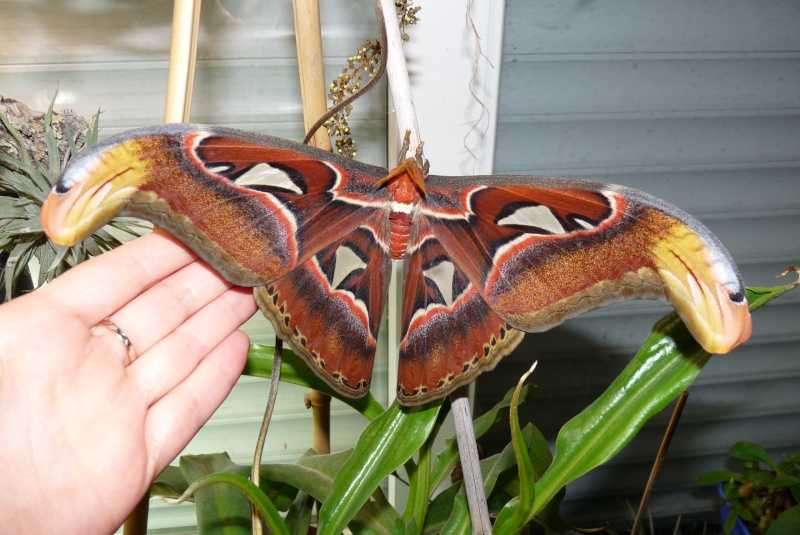
The Atlas Moth, one of the largest moths in the world, is a spectacle of nature. Its majestic wings extend up to 30 centimeters in wingspan, a true marvel for the observer. This giant is known not only for its size but also for the beauty of the colors and patterns that adorn its wings. The wings of the Atlas Moth display a mesmerizing combination of shades that range from brown, orange, to an intense cream pattern. The incredible contrast between these colors creates a visual effect that captures light stunningly. The venous pattern on the wings resembles the texture of snake skins, helping to camouflage the moth in its natural environment, providing effective protection against predators. The tone of its large eyes on the wings is a clever defense strategy. These patterns also mimic the eyes of large predators, which can discourage other animals from approaching. When at rest, the moth closes its wings, creating a shape that resembles dry leaves or tree bark. The impressive wingspan is accompanied by the robustness of its body. The body of the Atlas Moth is thick and covered with soft hair that, combined with the wings, gives the impression of a majestic being. Every detail of this moth highlights its importance and uniqueness in the vast tapestry of life. For more information about the diversity of nature’s creatures, see the gentle giant of nature.
Habitat and Distribution
The Atlas Moth is a true emblem of the tropical forests of Southeast Asia. These lush habitats are filled with natural riches, where sunlight filters through the leaves, creating a magical environment. It is under this green canopy that the Atlas finds food and shelter. Tall trees provide ideal locations for its reproduction. These giant insects prefer areas rich in diverse species of host plants, particularly from the Lauraceae family. The leaves of these plants are essential for the feeding of their caterpillars.
Tropical forests also offer protection against predators. The darkness and complexity of the environment make it difficult to detect the moth, which uses its impressive colors to camouflage among the leaves. Seen as a touch of natural art, these color patterns help in defense and attraction of mates.
The humid and warm climate of the region is another critical factor. Frequent rains and high humidity favor the growth of host plants, as well as the maintenance of the caterpillars. The ideal temperature allows adults to reproduce year-round, ensuring a continuous life cycle.
The habitat of the Atlas Moth is not just a home, but an ecosystem in balance. The presence of predators, pollinators, and even other insects contributes to the life of this magnificent insect. In summary, the tropical forest is a vibrant stage for the Atlas, where every element has its role in this splendid natural cycle. To explore more about interactions in ecosystems, visit this link, which discusses how different species coexist in their environments.
Life Cycle of the Atlas Moth
The Atlas Moth, one of the most impressive creatures in the world, begins its journey as a small egg, laid on specific plant leaves. These eggs are vulnerable to predators. Once they hatch, the larvae, commonly known as caterpillars, emerge hungry and eager for food. This first stage is filled with challenges, as they need to feed quickly to grow and transform. Most caterpillars feed on leaves, becoming prey for birds and other predators. The act of transforming into pupae is crucial, and during this phase, the caterpillars face the dangers of their surrounding environment.
The camouflaged pupae hide from predators until metamorphosis occurs. This stage can last a considerable period, depending on temperature and humidity. During this time, the Atlas Moth is in a vulnerable state, but also prepares for the spectacle of its final transformation. The transition to the adult phase requires appropriate conditions, with the moth emerging with delicate and impressive wings.
As soon as the adult moth emerges, the struggle for survival begins again. Moths must find food in the form of nectar. By doing so, they become vital pollinators, contributing to the health of the ecosystems. However, adult life presents its own challenges, such as the search for a mate for reproduction. The Atlas Moth stands out in a world filled with adversities and, despite this, shines with its impressive and complex beauty. Tardigrades are a curious example of adaptation that also deals with extreme conditions in nature.
Defenses and Adaptations
The Atlas Moth, one of the largest in the world, possesses fascinating defenses that ensure its survival. Its most impressive ability is mimicry. This insect is not just a visual spectacle; it can resemble a snake, creating an appearance that intimidates predators. When it opens up, its large wings reveal patterns and colors that mimic the eyes of a serpent. This can disorient and scare off birds and other dangers. Upon perceiving this ‘snake’, predators become hesitant or completely retreat.
In addition to mimicry, the Atlas Moth has other survival strategies. In its larval stage, the caterpillar covers itself with stinging hairs, which are unpleasant to the touch. Therefore, when attacked, these caterpillars can cause discomfort to small predators trying to consume them. This chemical defense is a second line of defense, increasing their chances of escape.
The coloration of its wings also plays an important role. The vibrant colors may not only serve for mimicry but also help to camouflage among the leaves and flowers where they live. When feeling threatened, they can remain motionless, blending into the environment while waiting for the threat to pass.
These adaptations are a fascinating example of the struggle for survival in nature. Evolutionary strategies such as mimicry and the use of chemical defenses are common in fauna, providing a valuable lesson about the resilience and creativity of life. For other examples of defensive skills, you can explore this article about jumping spiders, creatures equally engaged in the art of survival.
Symbolism and Culture
The Atlas Moth, with its magnificent wings that can extend up to 25 centimeters, transcends mere natural beauty. In various cultures, it has become a symbol of transformation and rebirth. In Japan, it is celebrated for its connection to metamorphosis, representing the passage of life and the beauty of growth. For the Japanese, moths are bearers of souls, creating a deep connection between human emotions and nature.
In Western culture, the Atlas Moth appears in works of art and literature, symbolizing the fragility of life. Artists have portrayed its lush wings as an invitation to reflect on the ephemeral beauty of nature. In some indigenous traditions, the moth is seen as a messenger, bringing messages from ancestral spirits. Its image is often incorporated into dances and rituals, evoking thoughts about the wisdom of ancestors.
Literature has also not remained indifferent to this fascinating creature. Poets and writers frequently use the Atlas Moth as a metaphor for freedom and the search for meaning. It appears on the pages of various works as a symbol of hope and new beginnings, encouraging readers to embrace change. This presence in art and literature reflects a universal connection with nature.
Through its representations in various cultures, the Atlas Moth reaffirms the importance of nature in our lives. Each beat of its wings is a reminder of the narratives we share with the world. Thus, the moth becomes an icon not only of beauty but of resilience and transformation. To better understand the relationship between nature and culture, access this article on the symbolism of elephants, which also explores the bond between living beings and their cultural expressions.
Conclusions…
In summary, the Atlas Moth is a marvel of nature, not only for its impressive size but also for the role it plays in its ecosystem. Understanding this creature helps us appreciate and protect the biodiversity it represents.
Did You Know?
What is the size of the Atlas Moth?
The Atlas Moth can have a wingspan of up to 30 centimeters, making it one of the largest moths in the world.
Where does the Atlas Moth live?
It primarily inhabits the tropical forests of Southeast Asia, including countries like Indonesia, Malaysia, and Thailand.
What is the ecological importance of the Atlas Moth?
The Atlas Moth plays a crucial role as a pollinator, contributing to the health of the ecosystems in which it lives.
Why do the wings of the Atlas Moth mimic snakes?
The wings of the Atlas Moth have patterns that resemble snake heads, a defense mechanism that helps protect it from predators.
Does the Atlas Moth have any relation to human culture?
Yes, the Atlas Moth is often mentioned in Eastern mythologies and is admired for its beauty in art and popular culture.