Purple Frog: The Rare Resident of Indian Forests
The purple frog, a rare gem of the Indian forests, is a species that fascinates biologists and nature lovers alike. With its vibrant coloration and unique behaviors, this creature plays a crucial role in its ecosystem. Explore the biology, habitat, and challenges faced as we unravel the mysteries of this rarity.
The Discovery of the Purple Frog
In 2003, amidst the dense and misty forests of the Western Ghats of India, a team of biologists uncovered a long-hidden secret of nature. They found the purple frog, an enigmatic creature that had gone unnoticed for centuries due to its subterranean lifestyle. With such a distinctive appearance, its discoverers were amazed by this newly identified species that seemed to defy evolutionary logic.
Only during the monsoon months do these frogs emerge to the surface, making them difficult for scientists to study. Characterized by their purple skin and swollen bodies, they quickly caught the attention of the global scientific community, not only for their curious color but also for their reclusive behavior. The purple frog spends almost its entire life ‘out of sight,’ burrowing as it lives underground, further complicating its detection and study.
Its characteristics make it a special find. Not only for its coloration but for its physiological adaptations aimed at a subterranean life. From the moment of its discovery, biologists noted that the purple frog is a true survivor of the ages, maintaining ancestral forms since the times when continents were still arranged distinctly.
The discovery of this rare animal sparked scientific curiosity, revealing the ecological complexity of the Indian forests. By studying its phylogeny, researchers opened doors to deeper understandings of local biodiversity and conservation challenges. Just like the intriguing world of the jumping spider, the purple frog reminds us of the wonders that persist hidden beneath our very feet.
Physical and Behavioral Characteristics
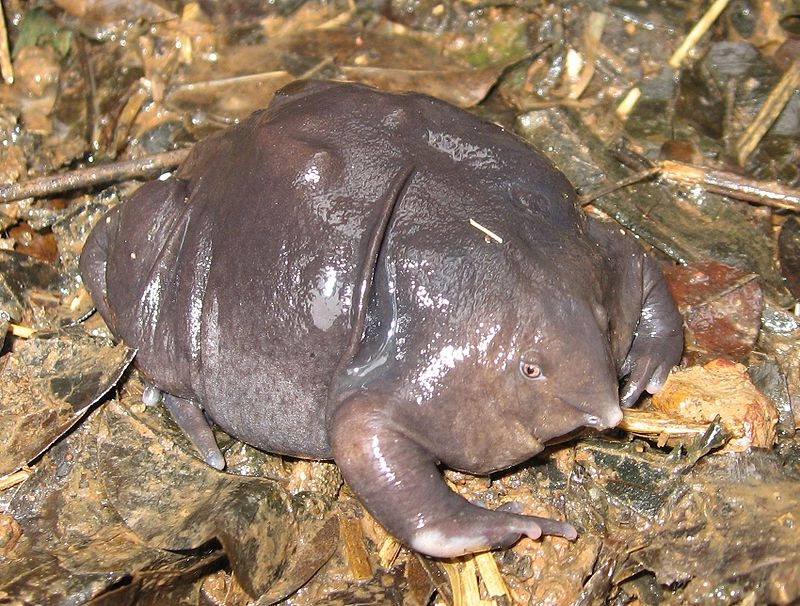
The purple frog, notable for its unmistakable appearance, displays a deep purple hue, which gives it its name. This unique coloration, along with its smooth and moist skin, provides excellent camouflage among the damp leaves of the forest floor. Its size can vary, but it generally does not exceed seven centimeters, allowing it to hide effectively in its habitat.
The facial features of the purple frog are equally distinct. With a pointed snout and small eyes, it burrows into the ground, escaping predators and the cacophonous chaos of the monsoons. This formidable subterranean adaptation is crucial for its survival in the Indian forests, where it remains hidden for much of the year.
As for behavior, the purple frog leads a solitary and reclusive life, emerging only during the rainy season to reproduce. These encounters are extraordinarily brief and focused on species perpetuation. The social interaction of this amphibian is minimized, a tactic that reduces the risk of predators.
A rare observation of this frog reveals it emitting unique sounds, a practice during mating. This vocal communication, although limited, is crucial for locating partners, especially in the dense and noisy environments of forests. These brief encounters emphasize the fragility and importance of the life cycle.
The resilience of the purple frog is admirable, a testament to its ability to adapt and thrive in adverse conditions. With its existence so strongly linked to its habitat, the preservation of forest ecosystems is vital. The survival of this enigmatic amphibian highlights the complexity and importance of species in their natural environments.
The Habitat of the Purple Frog
The purple frog, an enigmatic and fascinating creature, resides in the dense forests of the Western Ghats of India. This amphibian avoids daylight, preferring the darkness and moisture of the forest floor. These forests, rich in biodiversity, provide a safe haven from predators and safeguard the critical moisture needed for its survival. The monsoon rains play a vital role in saturating the soil, creating a soaked environment that purple frogs frequently inhabit.
In their quest for safety, these frogs remain underground most of the time, only emerging during the breeding season. In areas with deep, nutrient-rich soils, they dig burrows where they can remain hidden. This subterranean strategy minimizes water loss and protects the animal from heat.
The forest possesses a complex ecosystem, with delicate interdependencies. The presence of the purple frog indicates a healthy environment, where life continues its vibrant cycle. However, such a paradise is under constant threat from deforestation and climate change. Agricultural expansion, coupled with logging, fragments the habitat essential for the survival of these frogs.
Empathetic conservation is imperative. Protecting these forests prevents the devastating loss of biodiversity. Without responsible intervention, not only the purple frog but countless other species could disappear. As exemplified by other endangered species like the rhinoceros, natural preservation is key to the continuity of life on Earth. Encouraging conservation practices and promoting protective policies are essential. Together, we can ensure that the magical world of the purple frog remains intact for future generations.
The Diet and Ecological Role
At the heart of the Indian forests, the purple frog demonstrates a diet carefully adjusted to its subterranean habitat. This unique amphibian has spent millions of years perfecting its feeding skills. It primarily feeds on ants and termites, which it locates through its keen sense of smell, an essential adaptation for its survival in the dark underground environment.
Purple frogs spend most of their lives underground, emerging only during the monsoon season to reproduce. This makes them important players in maintaining ecological balance. Their presence in the soil helps control insect populations, preventing potential demographic explosions that could negatively impact other plant and animal species.
By consuming termites, the purple frog reduces the destruction these insects can cause to trees and plants, allowing flora to thrive and thus supporting the complex web of life in the forest. In turn, their feces contribute to enriching the soil, promoting the growth of new trees and shrubs that sustain local wildlife.
In terms of ecological relationships, the purple frog maintains a harmonious coexistence with jumping spiders, which share the same subterranean environment. These spiders, notorious for their intelligence and hunting skills, take advantage of the channels formed by the purple frog while pursuing their own intelligent insect diet.
The purple frog is, therefore, much more than just a discreet inhabitant of the Indian forests. It plays a crucial role in preserving biodiversity and sustaining the delicate ecological interactions that define its natural habitat.
Challenges and Conservation
The purple frog, a resident of the humid forests of the Western Ghats in India, faces significant challenges to its survival. Uncontrolled deforestation continues to devastate these forest areas. By clearing land for agriculture and urban development, human actions create a monumental threat to the species. This habitat diminishes each year, leaving little hope for the frogs.
Moreover, growing pollution further compromises their survival. Chemical waste from agricultural and industrial activities contaminates watercourses, harming local ecosystems. The small aquatic bodies, vital for the life cycle of the purple frog, have become toxic environments.
With an already vulnerable population, the frogs suffer from diseases and anomalies resulting from these adverse conditions. However, there are initiatives attempting to change this scenario. Conservation groups and scientists, both local and international, are working to protect and restore these forests.
Reforestation programs are crucial. Implemented in critical areas, they aim to increase tree cover and restore ecological balance. Additionally, educational initiatives seek to raise awareness among the local population about the importance of these species and their habitats. Governments and NGOs are collaborating on sustainable resource management projects. Implementing land-use strategies and strict regulations for pollution control is crucial.
Even in the face of so many challenges, these initiatives offer some hope. With ongoing efforts, the purple frog may still find a protected future. For at-risk species like this, survival depends on coordinated actions and global commitment.
Conclusions…
The purple frog is more than just a simple curiosity. Its survival reflects the health of the ecosystem in which it resides. Protecting this magnificent species means preserving the rich biodiversity of India, highlighting the importance of conservation efforts to ensure that future generations can admire this rarity.
Did You Know?
What does the purple frog look like?
The purple frog has a vibrant coloration that ranges from purple to blue, with spots that aid in camouflage. Its skin is smooth, reflecting the moisture of the forests.
Where does the purple frog live?
This frog is primarily found in the tropical forests of India, especially in humid areas where dense vegetation provides shelter and a conducive environment for its survival.
What is the diet of the purple frog?
The diet of the purple frog consists mainly of insects and small invertebrates, which it captures with its sticky tongue. These prey are fundamental for its nutrition and ecological role.
What are the threats to the purple frog?
The main threats include habitat destruction due to deforestation, climate change, and water pollution, which affect its survival and reproduction.
Why is the conservation of the purple frog important?
Protecting the purple frog is crucial for maintaining the ecological balance of the forests it inhabits. Moreover, it serves as an indicator of environmental health, reflecting changes in the ecosystem.