The European bee plays a vital role in agriculture and biodiversity. Its remarkable ability to pollinate flowers is essential for food production and the maintenance of healthy ecosystems. We will explore its behavior, economic importance, and the challenges it faces in today’s world.
The Biology of the European Bee
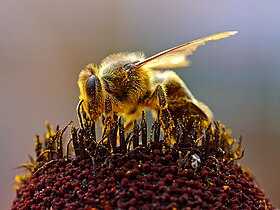
The European bee, with its robust and hairy body, is a marvel of biology. Its anatomy is perfectly adapted for collecting nectar and pollen. The lightweight and delicate wings allow it to fly agilely between flowers. Its hind legs, covered in hairs, serve as baskets to transport pollen from one flower to another. The coloration, usually in shades of yellow and black, also provides camouflage among the flora. The life cycle of the European bee is fascinating and complex. It begins with the queen, who is responsible for laying eggs. Development starts with the larva, which feeds on royal jelly. After a few weeks, the larva transforms into a pupa and finally emerges as an adult bee. This process takes about thirty days. Within the hive, bees perform essential functions. Some are caretakers of larvae, while others are dedicated to building wax combs. The workers, during their lifespan, can live up to six weeks and are multipurpose. They perform tasks ranging from nectar collection to hive defense. The division of labor is a marvel of the social engineering of bees. Places where species coexist, such as many Mediterranean forests, show the importance of bees. For more about the fascinating lives of unique creatures, visit the platypus, an example of adaptation to the environment.
Pollination and Ecosystems
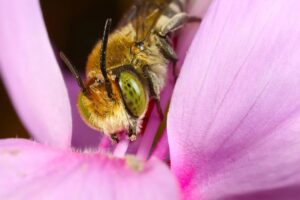
The European bee, with its extraordinary skills, plays a crucial role in the pollination of plants. By visiting flowers, it transports pollen grains from one plant to another, an act that results in vital fertilization. This simple activity not only ensures the reproduction of plants but also affects the entire ecosystem. The plants resulting from this process are the foundation of the food chain. They provide food and shelter to a myriad of creatures, from small insects to large mammals.
Moreover, the pollination performed by the European bee is fundamental for agriculture. Crops like apples, almonds, and tomatoes depend on the visits of these pollinators. With their help, farmers achieve more abundant and healthier harvests. Without the presence of bees, the production of many foods would be severely reduced.
The impacts on biodiversity are also profound. Bees help maintain plant diversity by facilitating the pollination of various species. The more varied the plants, the more diverse the fauna that depends on them becomes. This balance is essential for the health and resilience of ecosystems.
However, bees face threats such as pesticide use and habitat loss. Protecting these insects is vital not only for agriculture but also for maintaining a healthy planet. When we talk about the European bee, we talk about a link between flora and fauna. For a deeper understanding of the creatures that play essential roles in nature, explore the gentle giant of nature, which teaches us about the importance of biodiversity.
Honey Production
The production of honey is a charming and intricate process, revealing the harmony of nature. European bees begin their journey by collecting nectar, a sweet substance secreted by flowers. They visit a variety of flowers, using their proboscis to suck up the nectar. This nectar is stored in a special organ called the honey stomach, designated exclusively for this task. During flight, European bees play a vital role in pollination, transferring pollen from one flower to another, ensuring the fertilization of plants. Each visit to a flower is a significant contribution to biodiversity. After collecting the nectar, the bee returns to the hive, where the true miracle begins.
Inside the hive, the transformation of nectar into honey is a collaborative effort. Worker bees receive the nectar and deposit it into hexagonal cells made of wax. They then begin to dehydrate the nectar, beating their wings to create a flow of air that evaporates the moisture. This process is crucial, as honey needs to have less than 20% moisture to be properly preserved.
Bees also add enzymes to the nectar, which initiate the breakdown of complex sugars into simpler sugars. Thus, the nectar transforms into a delicious and sweet product. After dehydration and enzymatic action, the honey is practically ready. It is sealed in the cells with a wax cap, protecting it from contaminants and ensuring its purity. To learn more about the diversity of species that contribute to this ecosystem, check out this article about the ladybug.
Challenges and Threats
European bees face a series of challenges. Climate change, an unrelenting force, alters ecosystems in unpredictable ways. With global warming, flowering periods and habitat conditions change, destabilizing bee colonies. This directly affects their life cycle and the availability of nectar, essential for their survival. Additionally, severe storms and extreme droughts can decimate local populations. Another major villain for these pollinators is the use of pesticides. Although designed to protect crops, they often have devastating consequences for bees. Exposure to harmful chemicals can result in disorientation, decreased reproduction, and even death. Despite regulations, indiscriminate use continues to threaten bee health. Agricultural communities must be aware of these risks, seeking more ecological alternatives.
Moreover, emerging diseases and parasites present a growing threat. The Varroa destructor mite, for example, has wreaked havoc on colonies, weakening them and often leading to death. Resistance to treatments is a growing concern, requiring research and innovation in combating these pests. Another often-overlooked aspect is habitat loss. Urbanization and agricultural intensification reduce foraging areas. Protecting green spaces is crucial. The future of European bees depends on effective and coordinated actions on multiple fronts. To learn more about the effects of climate change on fauna, see this article.
Actions for Preservation
The preservation of the European bee and its habitat requires a collective and conscious effort. Every individual action counts, and small changes can have a big impact. The first step is to understand that planting native flowers can create a welcoming environment for these pollinators. Flowers like dandelions and clovers attract bees and provide the necessary pollen for their sustenance.
Furthermore, it is vital to avoid the use of pesticides. These chemical products directly affect bee health. Opting for natural pest control alternatives is a recommended practice. Additionally, educating the community about the role of bees in pollination and food planning is an effective way to raise awareness.
Communities can organize cleanup events to remove trash that may harm natural habitats. By keeping green spaces clean, we ensure a safe home for bees and other creatures. Habitat restoration programs can also be implemented, such as replanting native vegetation to recover degraded areas.
Another initiative is the creation of flowering fences in local parks and gardens. These fences can serve as corridors for bees, facilitating their movement and feeding. Moreover, encouraging the construction of shelters, such as bee boxes, helps provide safe nesting sites.
In summary, the union of individual and community efforts can represent a significant change in the preservation of bees. Thus, every small gesture becomes a great contribution to biodiversity conservation. For more information about the importance of pollinators, you can visit this article.
Conclusions…
The European bee is one of the backbones of modern agriculture and biodiversity. Protecting these incredible beings is crucial to ensuring the continuity of pollination and the health of the ecosystems that sustain our lives.
Did You Know?
What is the importance of the European bee?
The European bee is fundamental for the pollination of many cultivated and wild plants, contributing to food production and the health of ecosystems.
How does the European bee contribute to honey production?
European bees collect nectar and pollen, processing it in hives to produce honey, a vital food for the colony and appreciated by humans.
What challenges do European bees face?
European bees face threats such as habitat loss, pesticide use, diseases, and climate change, which harm their populations.
How can we help European bees?
We can help by planting flowers that attract bees, avoiding pesticides, and supporting sustainable agricultural practices that respect their habitat.
What is the role of bees in biodiversity?
Bees play a crucial role in pollination, helping to maintain plant diversity and habitats, which are essential for life on Earth.