The Fascinating World of the Jerboa: A Desert Rodent
The jerboa, a small desert mammal, captivates with its long legs and remarkable jumping ability. Explore the biology and habitat of this fascinating rodent.
Unique Characteristics of the Jerboa
Imagine, for a moment, the vastness of the desert. Amidst the sand and scorching heat, a fascinating creature emerges: the jerboa. Light and agile, this rodent exhibits an impressive combination of adaptations that make it a master of its hostile environment.
Exceptional Physical Structure
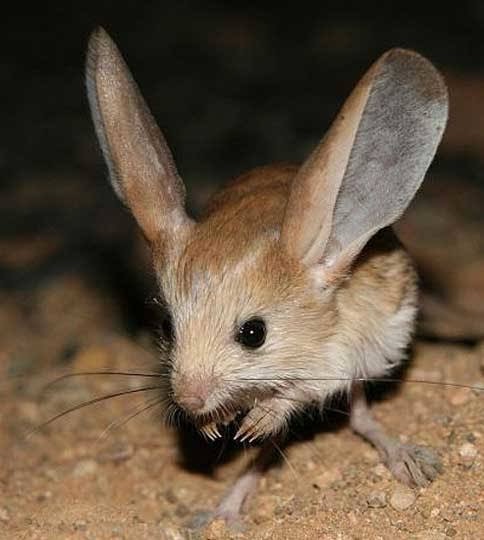
The jerboa is famous for its long limbs, which give it the ability to make magnificent jumps. These long legs are undoubtedly a vital adaptation for its survival. Thus, when jumping, the jerboa not only moves quickly but also manages to escape predators with impressive agility. This mode of locomotion, of course, becomes essential in its arid habitat, where the scarcity of shelter demands that the jerboa be fast.
Moreover, the jerboa’s tail is long and serves as a stabilizer while jumping. This feature is crucial, as it allows the animal to perform acrobatics while navigating uneven terrain. The fur of the jerboa is also a remarkable example of adaptation. In shades of sand and brown, it provides camouflage, hiding it from the sight of agile predators.
Behavior and Survival Strategies
Regarding behavior, jerboas are nocturnal, meaning they are most active at night. This behavior has a practical reason: during the day, the extreme temperatures of the desert make survival nearly impossible. Thus, taking advantage of the coolness of the night, they explore their territory in search of food.
Another fascinating characteristic is their ability to store fat, which allows them to survive during periods of scarcity. These incredible rodents not only adapt but thrive in an environment that many would consider inhospitable. Therefore, observing them in action makes it evident that the jerboa is truly one of the most impressive examples of adaptation to life in the desert. As we continue our journey, we will now explore where exactly these magnificent rodents make their home.
Habitat and Distribution of the Jerboa
When we think of the jerboa, the image of a small hopping rodent, adapted to the relentless conditions of the desert, immediately comes to mind. These fascinating creatures inhabit arid and semi-arid regions, where their survival depends on unique skills.
Jerboa Habitat
The diversity of jerboa habitats is surprising. They are primarily found in deserts, such as the Sahara Desert and regions of the Middle East. Here, the sparse vegetation, composed of resilient grasses and scattered shrubs, provides both shelter and food. Furthermore, jerboas often become specialists in digging tunnels, which offer vital protection against extreme temperatures and predators. These underground burrows are an impressive example of adaptation, as they allow them to preserve moisture and maintain a favorable temperature.
Geographical Distribution and Influence on Lifestyle
Globally, jerboas are predominantly located in regions of Africa and Asia. Their geographical distribution is not merely a matter of luck; it directly shapes their habits. For example, in areas where food is scarce, jerboas develop more elaborate foraging behaviors. Thus, they become cunning explorers, moving between plants to maximize their seed collection. Therefore, the variation between habitats influences not only where they live but how they live. As we explore more about this species, it becomes evident that adaptation is key. Thus, understanding how these incredible rodents evolved in their respective environments offers us a deeper insight into the struggle for survival in nature.
Feeding and Behavior
Imagine yourself amidst the vastness of a dry and silent desert, where life persists in surprising forms. Here, jerboas, rodents adapted to this challenging environment, play a crucial role in the local ecology. But what exactly makes up the diet of these fascinating animals? The answer reveals not only their food preferences but also their extraordinary behavioral adaptations.
What Do Jerboas Eat?
Jerboas are essentially herbivores and rely on a varied diet that includes seeds, roots, and grains, adjusting to the options available in the desert. During the driest seasons, they become particularly ingenious, developing foraging strategies that maximize their efficiency. For example, many species of jerboas take advantage of the sun’s heat to highlight moisture in succulent plants, which become food treasures in an environment where water is scarce.
They primarily feed at night when the temperature allows for more comfortable activity, avoiding the extremes of daytime heat. To locate their food, jerboas use a combination of keen smell and sensitive hearing, allowing them to identify food even beneath the surface of the sand.
Foraging Behaviors
The foraging behavior of jerboas is fascinating and complex. Besides being highly adaptable, these animals do not hesitate to use their long hind legs to jump, which not only helps them move quickly but also makes them less vulnerable to predators during their searches. These skills are vital for their survival in such an unpredictable habitat, where each night is a new opportunity and a new challenge.
Therefore, jerboas not only survive but thrive, revealing the beauty of life in the desert. As we explore their reproductive cycle in the next chapter, we will be invited to understand even more how these fascinating rodents adapt and perpetuate their species under minimal conditions.
Reproduction and Life Cycle
Amidst the vast desert, where relentless heat meets an arid landscape, the jerboa reveals a fascinating life cycle that enchants and surprises. These small rodents, with their long hind legs and large eyes, are true survivors, adapting to the harsh conditions of their habitat.
Mating and Offspring Formation
The reproduction of jerboas is a spectacle that occurs during the mildest season of the year. Males, in frantic searches, compete for attention, displaying impressive acrobatics. When a female chooses a mate, copulation occurs, leading to a gestation period that varies from 20 to 30 days. This brief period carries a world of expectations, as the female can give birth, on average, to one to six offspring. Once born, the young are defenseless, with limited abilities. However, they quickly develop, gaining strength and agility to finally join the frantic race across the desert.
Influence of the Environment on Development
The desert environment directly influences the jerboa’s life cycle. When resources are scarce, their reproductive rate may decrease, a smart adaptation to the reality of the place. Rain, although rare, brings temporary freshness. In this brief paradise, jerboas take the opportunity to reproduce, ensuring that the next generation is ready to face the harsh heat. Therefore, understanding the jerboa’s life cycle helps us admire how nature, in its nuances, enables these adorable mammals to thrive under adverse conditions. As the desert continues to change, the challenges to their survival multiply, leading to a reflection on the urgent need for conservation, which will be explored next.
Conservation of the Jerboa and Future Challenges
Jerboas, with their unmistakable grace and impressive jumps, face alarming challenges in their arid habitat. The conservation of these fascinating rodents is essential, as their populations are threatened by habitat loss and climate change. The vast expanse of deserts, where jerboas thrive, is rapidly diminishing due to urbanization and agriculture. If we do not take action now, the unique biodiversity of this ecosystem may be lost forever.
Conservation efforts focus on preserving and rehabilitating natural habitats. Restoring degraded areas is a critical step, as it allows jerboas and other species to reclaim their homes. Additionally, organizations are working to raise awareness of the importance of deserts as rich ecosystems. This awareness is vital, as it helps combat the over-exploitation of resources that affects not only jerboas but an entire spectrum of wildlife.
Another critical issue is climate change, which further pressures the delicate balance of deserts. Extreme temperatures and water scarcity affect the availability of food and shelter for jerboas. Therefore, monitoring efforts are not only important but urgently needed. If we want to protect our furry desert friends, we must prioritize conservation research.
As we move into the next chapters, we must ponder the intrinsic relationship between all forms of life. Preserving desert ecosystems is not just a matter of protecting the jerboa; it is a shared responsibility for all of us. Every action counts in creating a future where jerboas can continue to leap gracefully among the desert dunes.
Conclusions…
In summary, the jerboa represents a remarkable adaptation to the adversities of the desert. Its ability to jump and unique resources for survival in this arid habitat are fascinating. By understanding more about these animals, we can appreciate biodiversity and the importance of desert ecosystems. Protecting the jerboa’s habitat is essential to ensure its survival and the health of the environments they inhabit.
Did You Know?
What is a jerboa?
The jerboa is a small desert rodent with long hind legs, adapted to jump like a kangaroo.
Where do jerboas live?
They inhabit deserts and arid areas, especially in regions of Asia and Africa.
What do jerboas eat?
The diet of jerboas includes seeds, roots, and occasionally insects, allowing them to feed on what the environment offers.
How have jerboas adapted to the desert?
Jerboas have developed long legs for jumping, aiding in quick locomotion and predator escape, as well as efficiently conserving water.
Are jerboas solitary or social?
Jerboas are generally solitary, except during reproduction or in some species that form small groups.
What is the main threat to jerboas?
The main threats include habitat destruction and the impact of climate change, which affect their natural resources.
How do jerboas reproduce?
Jerboas typically reproduce once a year, with the female giving birth to 2 to 7 offspring, which are born hairless and dependent on the mother.
What is the lifespan of a jerboa?
The lifespan of jerboas in the wild varies, but is generally 2 to 3 years.