Elephant Calf: Discover the World of These Little Giants
Elephant calves have an unparalleled charm and incredible behaviors that capture everyone’s attention. In this article, we will explore their characteristics, challenges, and the importance of their preservation.
The Life of Elephant Calves
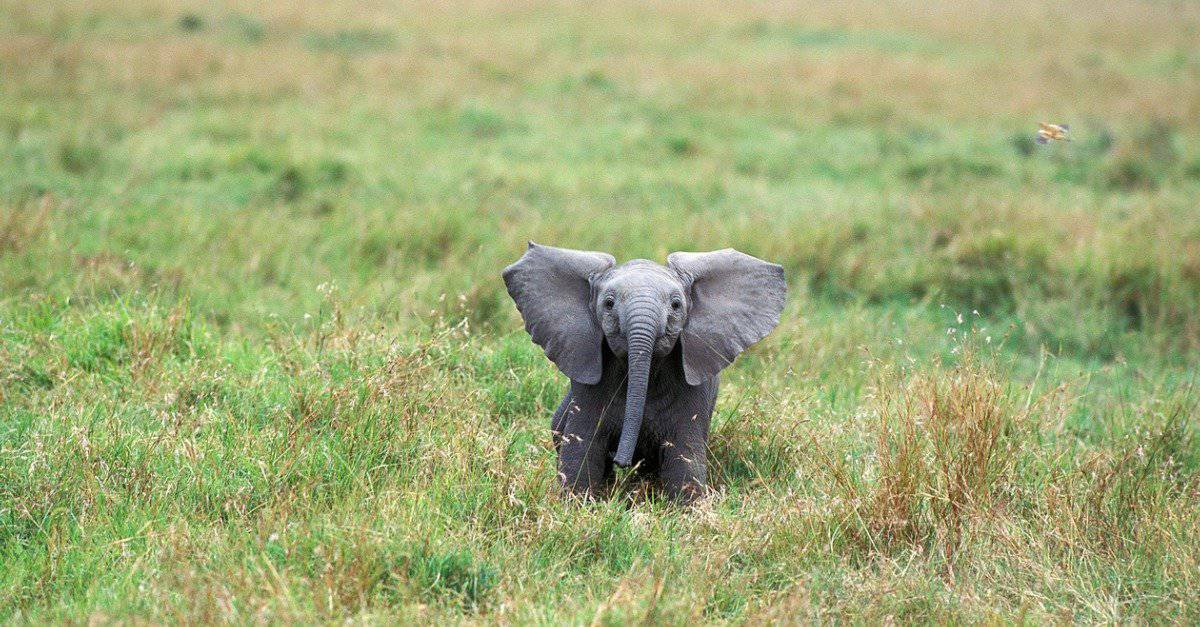
Amidst the vast savannas and forests of Africa, one of the most adorable scenes of wildlife unfolds: the birth of an elephant calf. This little giant, which typically weighs around 120 kilograms at birth, represents not only a new member but the continuity of one of the richest cultures on the planet.
Interactions with the Mother
From the very first moments, the relationship between the mother and her calf is crucial. The elephant, known for her strong maternal bond, dedicates herself exclusively to caring for the young one. She anticipates his needs, guiding him with patience and tenderness as he discovers the world around him. With each clumsy step, a moment of learning unfolds. The calf begins to imitate the mother, learning to use his trunk, something that will soon become essential for his survival.
Growth in the Herd
As the calf grows, he learns not only from his mother but also from the rest of the herd. The social bonds are deep among the members, and often, other elephants help care for and protect the calf. This interaction promotes a safe environment where the little one can explore and play, crucial for his cognitive and emotional development. Growth is a journey filled with moments of discovery, such as when elephants gather to bathe in mud pools, an activity that is not only fun but also vital for protecting their skin from the sun. These early years form the foundation for what is to come. The calf absorbs the life lessons that will shape his future journey as a majestic giant. Thus, while the life of an elephant calf emphasizes the importance of community and connection, a new chapter of intriguing behavior approaches, revealing what truly makes these beings so fascinating.
Intriguing Behaviors
As we delve into the world of elephant calves, we are immediately confronted with behaviors that intrigue us. These little giants not only enchant with their size but also with their curiosity and quirks. Among the most fascinating habits is the practice of sucking their own trunk, a ritual that, at first glance, seems simple but carries profound meanings.
The First Steps and Discovery
From the moment they are born, calves are encouraged to explore their environment. The trunk, which becomes an extension of their body, is often used to interact with the world around them. However, amidst play and discovery, many observers note that these adorable beings often bring their trunk to their mouth, as if seeking comfort or security. This practice is not merely an instinctive act; it actually reflects the search for solace, similar to what happens with humans in stressful situations.
The Role of the Trunk in Socialization
The trunk plays a crucial role in socialization. While nursing with it, calves also learn to coordinate movements and develop motor skills. Additionally, the trunk is essential for communication, allowing them to share emotions and signals with other group members. This interaction is vital for social and emotional development, highlighting the importance of family bonds among elephants.
As we follow the journey of these fascinating calves, it is vital to recognize that these unique behaviors are not mere curiosities but significant contributions to their formation and adaptation in the wild. And, while they enjoy their innocence, the challenges ahead will shape this growth in ways we cannot yet imagine.
Challenges Faced
When contemplating the journey of elephant calves, we realize that each step towards maturity is fraught with dangers. From natural predators to harsh climatic conditions, these young elephants face a hostile world that constantly tests them. Thus, it becomes evident that life in the savanna is a true battleground.
Predators and Natural Dangers
Elephant calves are born vulnerable, weighing between 100 and 150 kilograms. With this fragility, it is not surprising that they become targets for predators like lions and crocodiles. During their first weeks, they rely heavily on their mothers and the rest of the herd for protection. The instinct to care for the calves is strong among adult females, as a lost calf can represent a significant loss for the group.
Environmental Challenges
In addition to predators, climatic conditions can be brutal. Calves are susceptible to diseases and dehydration, especially during dry seasons. On the other hand, during heavy rains, they may face risks with mud and water movement. These conditions require the calf to adapt its behavior quickly. For example, they learn to seek water sources and shelter in safe locations.
These challenges are not merely obstacles; they shape the development and character of the calves. As they face dangers, they become more agile and alert. Moreover, they learn to trust their herd, a crucial aspect for survival in such a challenging environment. The strength of this social bond is impressive and essential for the longevity of the group. Thus, each difficulty faced serves to make them more experienced players in this vast ocean of challenges.
As elephant calves grow, the lessons learned in their youth prepare them to face a constantly changing world. Thus, the next stage of their journey involves the importance of conservation, ensuring a sustainable future for these magnificent beings.
The Importance of Conservation
The dense forests and open savannas of Africa and Asia harbor one of the most fascinating life stories: the journey of elephant calves. Each little giant, weighing around 100 kilograms, is a symbol of the immense fragility of biodiversity on this planet. However, their survival is under threat, and this affects not only the species but also the entire ecosystem.
The Vital Connection with the Ecosystem
The presence of elephants, especially calves, is an indicator of a healthy ecosystem. They play a crucial role in seed dispersal, allowing new plants to grow and revitalizing areas that would otherwise be dry. Furthermore, by digging, they create access to underground water sources, benefiting other species that depend on this resource. The extinction of these magnificent beings would result in a domino effect, impacting thousands of other species and altering the balance rooted in nature.
What Can We Do?
Therefore, the conservation of elephant calves is a dramatic call to action for all of us. We need to implement protection initiatives in the areas where these animals live. Supporting organizations that work in preservation and restoring natural habitats are measures that we can all adopt. Additionally, educating about the importance of elephants and combating illegal poaching are significant steps. Furthermore, understanding the interdependence of species in a healthy ecosystem is fundamental to ensuring that these calves grow and thrive.
As we reflect on these issues, it becomes evident that future elephant calves depend on our collective and individual actions. By prioritizing conservation, we are not only protecting elephants but also the complex systems of life that need us to survive.
The Future of Elephant Calves
As we explore the fascinating world of elephant calves, it is impossible not to think about the future of these little giants. With their striking personalities and deep family bonds, calves not only capture our attention but also provoke reflection on the challenges they face in the 21st century.
Pressing Challenges
The threats to elephant calves are increasing at an alarming rate. Poaching, habitat loss, and climate change are among the main challenges. Today, many elephant populations are endangered, and if nothing is done, the calves born today risk not seeing a prosperous future. On the other hand, local communities have a vital role to play in protecting these majestic beings.
A Hopeful Future
Fortunately, awareness of the importance of elephant conservation has been growing. Global initiatives have sought to protect habitats and educate people about the significance of these animals. Collectively, we can support these initiatives and also take action in our communities. Conservation campaigns, for example, are fundamental. Every action, no matter how small, can impact the life of an elephant calf, ensuring they have the chance to thrive in their natural environment. In conclusion, protecting elephant calves is not just a matter of conservation; it is a shared responsibility. As we continue our journey in appreciating these magnificent living beings, we must remember that their future depends on us. Therefore, by joining efforts, we can ensure that they continue to take their first steps on Earth.
Conclusions…
Elephant calves are not only adorable; they play a crucial role in their ecosystems. Protecting these beings is vital for preserving biodiversity and the future of forests. Through this article, we hope to have sparked your interest in the conservation of elephants and their natural habitat. They are a valuable part of our world and deserve our respect and protection.
Did You Know?
- What is the diet of elephant calves?
Calves typically feed on their mother’s milk until they are two years old and gradually start to experiment with solid foods. - How do elephants communicate?
They communicate through vocalizations, touches, and even vibrations in the ground that can be felt over long distances. - How many calves can an elephant give birth to?
An elephant typically gives birth to a single calf every 4 to 5 years, due to the long gestation period. - Where do elephant calves live?
They inhabit forests, savannas, and areas near rivers, depending on the species and available habitat. - How do elephant calves deal with stress?
Calves often suck their own trunks for comfort, a behavior observable in their early years of life. - What is the role of calves in their families?
Calves are cared for by the entire herd, with adults taking on responsibilities for guarding and teaching. - What is the lifespan of an elephant?
Elephants in the wild can live up to 60-70 years, while those in captivity can live even longer. - Why are elephants endangered?
Elephants face significant threats, such as habitat loss, poaching, and conflicts with humans.