
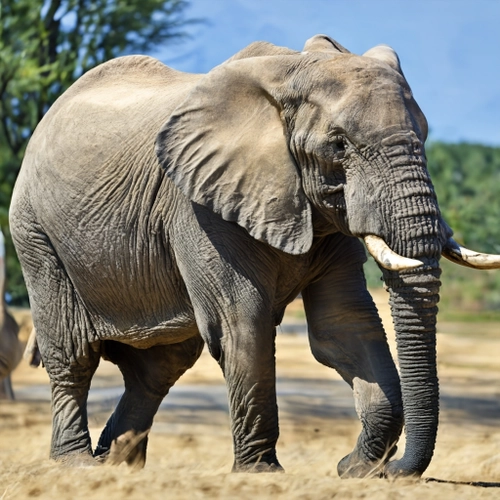
Imagine a majestic animal whose mere presence evokes respect and admiration. The elephant, with its imposing stature and surprising intelligence, occupies a special place both in the animal kingdom and in the hearts of people around the world. From ancient legends to modern documentaries, this fascinating creature continues to inspire us with its strength, wisdom, and sensitivity.
Elephants are not only the largest land mammals; they also play a crucial role in many ecosystems, acting as environmental engineers. By knocking down trees, spreading seeds, and creating pathways, they help shape the habitat of countless other species. This interaction with the environment highlights their ecological importance, placing them at the center of global conservation efforts.
In addition to their natural relevance, the elephant carries symbolic weight in many cultures around the world. In Hinduism, it is associated with the deity Ganesha, representing luck and prosperity. In Africa, elephants symbolize strength and loyalty, often seen as guardians of traditions and ancestral wisdom. Their connection with humans goes far beyond nature, penetrating into spiritual and emotional aspects.
Throughout this post, we will explore not only the incredible characteristics and behaviors of elephants but also the impact they have on our lives, whether as symbols of universal values or as guardians of biodiversity. Get ready to dive into the fascinating world of this gentle giant and discover why the elephant is so special.
Who Are Elephants?
Elephants are the largest land mammals on the planet, belonging to the order Proboscidea and the family Elephantidae. Currently, there are two main species recognized: the African elephant (Loxodonta africana) and the Asian elephant (Elephas maximus). Each of these species has unique characteristics that reflect their adaptation to different environments and evolutionary challenges. The African elephant, for example, is larger and has large fan-shaped ears, while the Asian elephant has smaller ears and a more compact body structure.
One of the most iconic features of elephants is their multifunctional trunk, an evolutionary fusion of the nose and upper lip. This structure is incredibly strong and versatile, allowing elephants to manipulate objects, drink water, and even express emotions. Additionally, their tusks, made of ivory, are used to dig for water, strip bark from trees, and even as defensive tools. The impressive size of these animals—African males can weigh up to 6 tons and stand over 3 meters tall—reinforces their imposing presence in the ecosystems they inhabit.
Where Are Elephants Found?
Elephants are primarily found on two continents: Africa and Asia. The African elephant inhabits vast savannas, tropical forests, and deserts, demonstrating an incredible capacity for adaptation. On the other hand, the Asian elephant prefers dense forests and mountainous regions, being common in countries like India, Thailand, and Sri Lanka. Unfortunately, due to deforestation and urban expansion, these natural habitats are becoming increasingly fragmented, threatening the survival of these majestic creatures.
In addition to their geographical distribution, elephants play essential roles in the ecosystems they inhabit. They are often referred to as ‘gardeners of the forest’ because they help shape the landscape by knocking down trees, opening paths, and dispersing seeds over large distances. This direct interaction with the environment highlights the importance of protecting them, not only for their intrinsic value but also as pillars of ecological balance in their natural habitats.
Why Are Elephants Intelligent?
Elephants are widely recognized for their impressive intelligence, rivaling other highly intelligent animals such as dolphins and primates. One of the most fascinating traits is their incredible memory, which allows them to remember migration routes, water sources, and even human faces for decades. This ability is crucial for their survival in challenging environments, such as the African savannas or Asian forests, where resources can be scarce.
Another aspect that highlights the intelligence of elephants is their empathy and advanced social behavior. They demonstrate mutual care, help injured members of the group, and show clear signs of mourning for the loss of their companions. For example, when a herd member dies, elephants often return to the site days or even years later, touching the bones of the deceased with their trunks in an apparent act of respect. This behavior, known as ‘mourning ritual,’ is rarely observed in other animals.
Do Elephants Use Tools?
Moreover, elephants are skilled at using tools, placing them in a select group of species with advanced cognitive abilities. They use branches to swat insects, leaves to fan themselves, and even create barriers to protect their young. These behaviors demonstrate not only creativity but also a high level of problem-solving skills. The combination of memory, social learning, and the ability to innovate reflects a highly developed brain, adapted for both the environment and group living.
Compared to other intelligent animals, elephants have a remarkable advantage: their brain, the largest among land mammals, weighs about 5 kilograms. Despite its size, it is the complex structure of the cerebral cortex that sets them apart. This region is associated with higher cognitive functions such as communication, problem-solving, and emotional understanding. Like dolphins and chimpanzees, elephants can recognize themselves in mirrors, a test considered a milestone in assessing animal self-awareness. These characteristics make elephants extraordinary examples of intelligence in the animal kingdom.
The Symbolism of Elephants
Elephants are deeply symbolic animals, carrying varied meanings in different cultures around the world. In many societies, they represent luck, strength, and wisdom—attributes that reflect both their physical grandeur and serene behavior. In Western symbolism, elephants are seen as bearers of good fortune, often associated with prosperity and success. In African cultures, they are revered for their strength and power, symbolizing protection and leadership.
In Hinduism, the elephant is a central figure, represented by the god Ganesha, who has the head of an elephant and a human body. Ganesha is venerated as the remover of obstacles and the god of wisdom, being one of the most worshipped deities in India. Temples often display detailed sculptures of elephants, symbolizing stability and spiritual abundance. In Buddhism, these giants are considered symbols of patience and mental discipline, reflecting the necessary steps to achieve enlightenment.
Are Elephants Sacred?
The presence of elephants is also striking in mythologies and legends. In ancient Asian stories, they were considered sacred animals, often associated with the creation of the universe and the harmony of nature. A Thai legend, for example, tells that the white elephant is a symbol of royalty and divinity, treated with exceptional honors. In Africa, many tribes attribute to elephants the role of spiritual guardians, believing that their presence protects communities from negative forces.
Furthermore, historical accounts show the ongoing fascination with elephants. From their use in ancient armies, like Hannibal’s famous war elephants in Ancient Rome, to their artistic representation in temples and sculptures, elephants have always been seen as more than just animals: they are ambassadors of greatness, spirituality, and the connection between humans and nature. This rich symbolism reflects the deep admiration that people have for these gentle giants throughout the centuries.
Elephants in Nature and Their Current Situation
Elephants play a vital role in the ecosystems where they live, often referred to as ‘gardeners of the forest.’ Their ability to knock down trees and open paths in dense forests allows sunlight to reach the ground, stimulating the growth of new plants. Additionally, by consuming fruits and dispersing seeds in their dung, they help regenerate forests and savannas, promoting biodiversity. This ecological connection makes elephants essential for the health of natural habitats and the balance of countless species that depend on these ecosystems.
However, human impact, especially deforestation and illegal poaching, has put elephants at risk. The conversion of forests and savannas into agricultural land destroys their habitat, limiting their migration areas and food resources. Illegal poaching for ivory, although banned in many countries, remains a significant threat. The ivory trade persists in black markets, fueled by global demand, and this has decimated elephant populations, especially in Africa.
How Many Elephants Are There Today?
It is estimated that there are currently about 400,000 African elephants and approximately 50,000 Asian elephants in the wild, numbers that are declining due to the aforementioned threats. These alarming figures underscore the urgent need to intensify conservation efforts. Initiatives such as anti-poaching patrols, elephant reintroduction projects in protected areas, and environmental education campaigns have shown promising results, but much more needs to be done to ensure the survival of these giants.
Moreover, community projects in areas close to elephant habitats have been crucial in reducing conflict between humans and animals. The construction of ecological corridors, for example, allows elephants to move safely between different areas, minimizing the impact on agricultural properties. The conservation of elephants is not only an environmental issue but also a cultural and economic one, as eco-tourism largely depends on the presence of these majestic animals. Protecting elephants means protecting the essence of nature and ensuring a sustainable future for all living beings.
Curiosities About Elephants
Elephants are an inexhaustible source of curiosities, reflecting the complexity of their biology and behavior. Despite their imposing size, these giants have curious fears, such as a fear of bees. Many farmers in Africa use fences made with beehives to protect their crops, as elephants avoid the buzzing of bees to prevent being stung in sensitive areas, like inside their ears or on their trunks. This same trunk, by the way, is one of the most fascinating structures in the animal kingdom: composed of about 40,000 muscles, it is incredibly versatile, used for tasks ranging from uprooting trees to picking up tiny objects.
Another interesting aspect is the striking difference between the two main species of elephants. African elephants, larger and with ears shaped like the map of Africa, have tusks in both males and females. In contrast, Asian elephants, smaller and with more rounded ears, have tusks only in males, and not all develop them. These distinctions are not limited to appearance: Africans tend to live in more open areas, while Asians are often found in dense forests, which directly influences their behaviors and adaptations.
The Bigger the Elephant, the Greater Their Memory…
On an emotional level, elephants carry a unique weight. They are known for their impressive memory, which allows them to remember migration routes, water sources, and even recognize individuals, whether human or other animals, after years of separation. Emotionally, they demonstrate complex behaviors such as mourning, solidarity, and even joy. When a group member dies, elephants may stay by the body for days, touching it with their trunks in a behavior reminiscent of funeral rituals. This emotional bond is one of the traits that brings them closer to humans and reinforces their reputation as sensitive and empathetic beings.
In addition to all this, elephants physically carry an impressive load. Their backs can easily support more than 300 kilograms, something that ancient peoples took advantage of by using them as work animals and even in battles. However, what is most striking is not what they carry on their bodies, but what they carry in their hearts: a unique connection with their groups and a symbolic importance that transcends cultures and generations. Elephants teach us about strength, empathy, and the beauty of living in harmony with nature.
What Do Elephants Teach Us?
Elephants are more than majestic creatures; they offer us valuable lessons about life, inspired by their social behavior and resilience. One of the main lessons we can learn from them is loyalty. These animals are known for their strong family ties, living in groups led by an experienced matriarch. They demonstrate a deep sense of unity, helping injured or struggling young members. This example of solidarity reminds us of the importance of cultivating genuine connections and supporting those we love, especially in challenging times.
Another crucial teaching comes from their exceptional memory. The saying ‘elephant memory’ reflects elephants’ ability to remember locations, migration routes, and even individuals, even after years. In our lives, memory plays a central role in learning from past experiences and making more informed decisions. Developing an ‘elephant mind’ means valuing the lessons of the past, without letting old mistakes define us, but using them as tools for personal growth.
The elephant and its adaptation in nature. The resilience of elephants is also an inspiring example. Despite the adversities they face, such as habitat destruction and illegal poaching, they continue to adapt and fight for survival. In times of crisis, elephants demonstrate calm and strength, focusing on finding solutions to immediate challenges. This ability teaches us that even in the face of difficulties, we can find ways to overcome obstacles and move forward with determination.
Finally, elephants teach us the importance of emotional balance. They express a wide range of feelings, from joy to mourning, showing that vulnerability is not a sign of weakness but an essential part of life. Applying these teachings in our daily lives means living in a more empathetic, connected, and resilient way. Learning from elephants is an invitation to embrace the wisdom of nature and integrate its values into our daily behavior. Loyalty, memory, and resilience are universal lessons that make elephants true masters of life.
Conclusion
Elephants are much more than just impressive animals; they represent wisdom and a deep connection with nature. Their presence symbolizes harmony among all living beings and the balance necessary for the preservation of our planet. Furthermore, their way of life, with strong social bonds, sharp memory, and unwavering resilience, offers lessons that can be applied in our daily lives. Wisdom, emotional strength, and empathy are some of the values we can learn by observing elephants in their natural habitat. They teach us that, just like them, we must also respect the environment and protect future generations.
However, with the rise of illegal poaching and the destruction of their natural habitats, the future of elephants is increasingly at risk. The effort for elephant conservation becomes essential to ensure that these magnificent creatures continue to play their vital role in ecosystems while continuing to inspire future generations with their wisdom and strength. We must act urgently to preserve these animals, and it is through global conservation initiatives and support for legislation that we can help protect them from imminent extinction.
We Can Help Change This…
We invite you to be part of this preservation journey by sharing the importance of protecting elephants with friends and family. Awareness is one of the most important steps to ensure that the future of elephants, and many other endangered species, is secure. Your support for conservation campaigns can have a significant impact on protecting their habitats and fighting against illegal poaching. By taking action, each of us can contribute to ensuring that future generations can witness the majesty and power of these incredible beings.
Ultimately, elephants show us the value of living in balance with nature, teaching us the importance of our connection to the planet and respect for the lives of all beings that inhabit it. If each of us commits to protecting these magnificent creatures, we can ensure that the wisdom of elephants continues to illuminate the path to a more sustainable and harmonious world.