Armadillo Lizard: The Small Defender of Nature
The armadillo lizard is a remarkable South African creature known for its unique ability to curl up, similar to an armadillo. This article explores its habitat, behavior, and adaptations that allow it to survive amidst natural challenges.
Natural Habitat
The armadillo lizard, a fascinating species, has found its home in regions of xerophytic vegetation and savannas. These ecosystems are characterized by thorny bushes and resilient grasses, adapted to arid climates. They thrive where rainfall is scarce and temperatures can be high. The soil is predominantly sandy, allowing the armadillo lizard to burrow in search of shelter and food.
The climate in which this small defender lives is marked by hot, dry summers followed by mild winters, favoring its peculiar thermal behavior. Days are often sunny, creating an ideal environment for hunting insects and small prey, essential for its diet. During the colder months, the armadillo lizard takes refuge in burrows or under rocks, where it can avoid extreme temperatures.
The predominant vegetation is crucial for the survival of the armadillo lizard. The bushes provide cover against predators and serve as a food source. Additionally, their roots help stabilize the soil, preventing erosion. This ecosystem is an example of interdependence, where each element plays a vital role.
For all these reasons, the preservation of the armadillo lizard’s natural habitats is essential. The destruction of this ecosystem affects not only this species but the entire balance of nature around it. To learn more about the importance of habitats in general, see this article.
Behavior and Defense
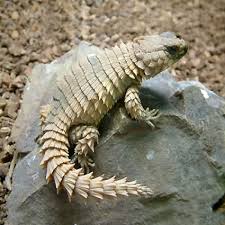
In a habitat filled with predators, the armadillo lizard reveals a fascinating behavior: the ability to curl up. When threatened, it uses this skill as an exceptional defense mechanism. By curling up, the armadillo lizard transforms into a small sphere, providing a physical barrier against attacks. This defensive posture not only hides its vulnerable body but also presents a shape that can discourage predators. For many, a round target is less appealing.
The natural predators of the armadillo lizard include birds of prey and carnivorous mammals. By curling up, the lizard reduces the exposed area, making access difficult. The toughness of its skin also aids in protection, but the ability to accommodate into a compact form is its most notable characteristic. When in a fetal position, the lizard not only defends itself but seems to blend in with the environment, becoming almost invisible among the vegetation. This behavior is not just an instinctive response but a critical aspect of its survival. The strategy allows it to avoid direct confrontations and conserve energy, a necessity in challenging environments. After the threat passes, the armadillo lizard slowly unrolls, returning to its original shape. This remarkable ability highlights nature’s ingenuity in adaptation and survival. To learn more about how animals defend themselves in their habitats, see this article about bats.
Feeding and Diet
The armadillo lizard is a fascinating herbivore adapted to its natural habitat. Its diet consists mainly of leaves, flowers, and fruits from various plants. This small defender of nature specializes in consuming vegetation that provides essential nutrients. Among its favorite delicacies are the tender, juicy leaves that sprout in the most vibrant areas of its territory.
The feeding habits of the armadillo lizard are influenced by the seasons and the availability of food. During dry periods, it adapts by seeking roots and bulbs buried in the soil. This dietary flexibility is crucial for its survival. Furthermore, it synchronizes its foraging activities with the daily cycle of the sun, taking advantage of the coolness of the morning and evening to feed.
The hunting techniques of this lizard are elegant and discreet. It uses its sharp vision to detect movement and vibrant colors of the surrounding plants. After identifying a food source, the armadillo lizard approaches cautiously, avoiding predators. With a long, sticky tongue, it can reach the most delicate parts of the plants.
The constant pursuit of a varied and vital diet is essential not only for its health but also for the balance of the ecosystem around it. By consuming different plant species, the armadillo lizard acts as a seed disperser, helping to maintain the diversity of local flora. The harmony of its diet with the cycles of nature perfectly illustrates the interdependence of species. To learn more about the delicate interactions between plants and herbivores, check out the ecological relationships on our blog.
Threats and Conservation
The armadillo lizard, with its remarkable appearance and fascinating behaviors, faces significant challenges in its habitat. Habitat loss is one of the main threats affecting this species. Urbanization and intensive agriculture are reducing the available natural areas. This limits the armadillo lizard’s feeding and reproduction.
Even more alarming is the impact of climate change. Rising temperatures and changes in precipitation patterns affect local flora and fauna. These factors can alter the dynamics of the ecosystem, making it less hospitable for the armadillo lizard.
Fortunately, several conservation initiatives are being implemented to help preserve this species. Habitat restoration projects aim to restore degraded areas, creating ecological corridors that allow safe movement of lizards between habitat fragments.
Additionally, environmental education programs aim to raise awareness of the importance of the armadillo lizard in its ecosystem. Reducing human pressure on the environment is essential to ensure its survival. Cooperation between local communities and conservation organizations is crucial in the fight against environmental degradation.
These actions, although challenging, are vital steps to ensure that the armadillo lizard continues to be a defender of nature. Protecting this small creature reflects humanity’s commitment to biodiversity and the health of ecosystems. To better understand how species interrelate, see this toucan in its habitat, serving as an example of ecological balance.
Ecological Importance
The armadillo lizard, with its body protected by a hard scale armor, plays a crucial role in its ecosystem. As a discreet hero of nature, it contributes to soil balance. This small reptile feeds on insects and invertebrates, helping to control populations that could otherwise become pests in its habitat. Therefore, its varied diet is fundamental to the health of the environment around it.
Moreover, armadillo lizards are true soil engineers. By digging for food, they help aerate the soil, stimulating water infiltration and nutrient circulation. This behavior benefits plants and other organisms that depend on healthy soil. Undoubtedly, they are an important link in the food chain, serving as prey for predators such as birds and mammals.
The presence of this lizard is an indicator of good environmental health. When an armadillo lizard population is thriving, it often means that the ecosystem is balanced and vibrant. Deforestation and habitat degradation, however, threaten its survival. Thus, the conservation of its natural areas is vital not only for its continuity but also for the health of the entire ecosystem.
Therefore, protecting the armadillo lizard is essential. They represent the interconnectedness of life, acting as small guardians of ecological balance. To better understand the complex interactions in natural habitats, we can explore more about the survival of other species with unique ecological functions, such as the jumping spider, which also plays a vital role, as described in a fascinating article.
Conclusions…
In summary, the armadillo lizard is a fascinating example of wildlife adaptability. Its ability to curl up is not just a defense but a survival strategy in a challenging environment. Protecting this small lizard is essential for preserving biodiversity in South Africa.
Did you know?
- What is the diet of the armadillo lizard?
The armadillo lizard primarily feeds on insects and small invertebrates, using its hunting skills to capture them. - Where does the armadillo lizard live?
This lizard is native to the dry and hot areas of South Africa, preferring savanna and arid zone habitats. - How does the armadillo lizard protect itself from predators?
Its main defense strategy is to curl up into a compact ball, making it less vulnerable and difficult to attack. - What are the threats to the armadillo lizard?
The main threats include habitat loss due to urbanization, agriculture, and climate change affecting its ecosystem. - What is being done to conserve the armadillo lizard?
Conservation initiatives aim to protect its natural habitats and implement environmental education to raise awareness about the species.