Dragonflies are true symbols of elegance and efficiency in the insect kingdom. Belonging to the infraorder Anisoptera of the order Odonata, these fascinating winged creatures captivate the attention of nature enthusiasts and scientists alike due to their impressive flying abilities and unique morphological characteristics. In addition to their role as predators, dragonflies are valuable environmental indicators, reflecting the health of the aquatic ecosystems they inhabit. Throughout this article, you will learn in detail about the life of dragonflies, their characteristics, reproductive cycle, the habitats they occupy, and the ecological importance they play, enhancing your understanding of these incredible inhabitants of nature.
Introduction to Dragonflies
Dragonflies belong to the infraorder Anisoptera within the order Odonata, which also includes damselflies. They are insects known for their agile flight and sophisticated appearance, impressing both experts and wildlife admirers. Dragonflies have a significant ecological role, acting as natural predators of various insects, especially mosquitoes, contributing to environmental balance. Furthermore, the presence of these insects in an environment is often a direct indicator of water quality and the health of the aquatic ecosystem.
To expand your knowledge about these small predators, you can explore Dragonfly: Fascinating World, which covers curious and scientific details about these insects.
Characteristics and Morphology
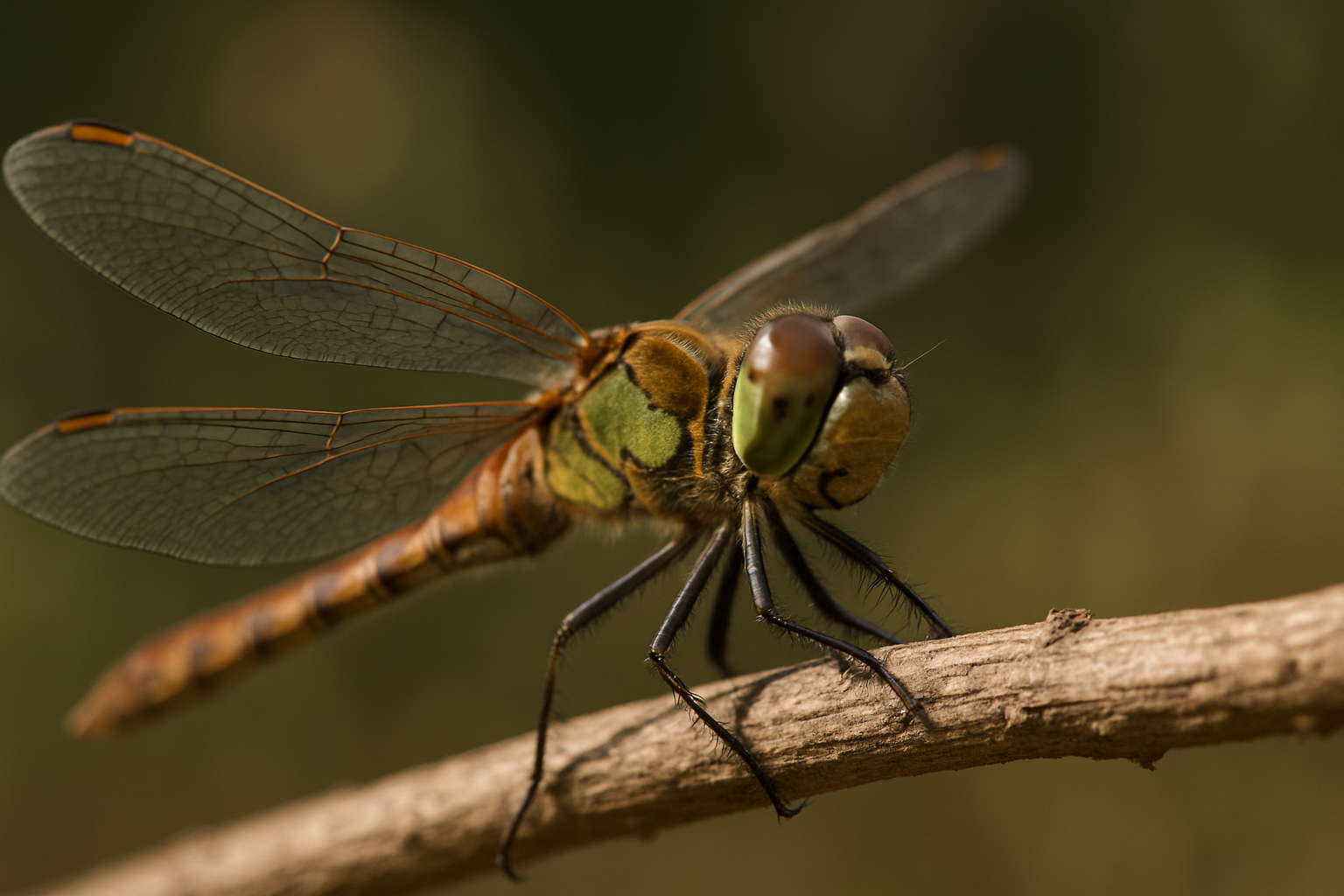
Dragonflies possess a unique body structure adapted for fast flight and precise maneuvers. Their two pairs of wings are transparent and independent, allowing them to hover, fly backward, and make sharp turns with impressive ease. Their eyes are large and compound, providing an almost panoramic view that is essential for detecting prey and predators.
The body of dragonflies is elongated, aerodynamic, and colorful, varying by species. Their morphology is not only aesthetically interesting but also functional, as it contributes to their efficiency as hunters. The alternation between aquatic (nymphs) and aerial (adults) phases also highlights the complexity of their biological development.
For a broader overview of insects and their characteristics, visit the page Insects – Learn More About Various Species.
Life Cycle and Reproduction
The life cycle of dragonflies is divided into three main phases: egg, aquatic nymph, and adult. Females typically lay their eggs in water or on plants near aquatic environments. After hatching, nymphs live in aquatic environments, where they act as voracious predators, feeding on small invertebrates. This phase can last for months or even years, depending on the species and environmental conditions.
When the nymph is ready to transform, it climbs out of the water and undergoes metamorphosis, emerging as a winged adult ready to explore the terrestrial and aerial environment. The adult phase is dedicated to dispersal, reproduction, and continuation of the cycle. Reproduction often involves complex behaviors, such as acrobatic flight and tandem mating.
Species and Habitat of Dragonflies
There are thousands of species of dragonflies spread across the globe, with greater diversity in tropical and temperate regions. These insects primarily inhabit areas close to bodies of water such as rivers, lakes, swamps, and wetlands, ideal locations for the development of aquatic nymphs.
The biodiversity of dragonflies can be intensely observed in places rich in fauna and flora, such as the Amazon. There, the variety of species is impressive, contributing to the balance of local ecosystems. To explore more about Amazonian biodiversity, check out the article on the New Fungus Discovered in the Brazilian Amazon, which helps contextualize the richness of life forms in the region.
Ecological Importance of Dragonflies
Dragonflies play a fundamental role in nature. As efficient predators of mosquitoes and other small insects, they contribute to biological control, reducing the proliferation of pests and potential disease vectors.
Moreover, dragonflies are excellent bioindicators of water quality. Their presence or absence signals environmental changes, as nymphs depend on clean water and good conditions to survive. Therefore, monitoring dragonfly populations is a valuable tool in the conservation and sustainable management of aquatic ecosystems.
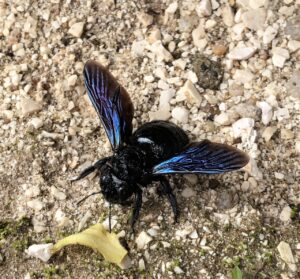
To broaden your understanding of intelligent predators in the natural environment and ecological comparisons, it is recommended to read about the Jumping Spider – The Most Intelligent Arachnid and the relevance of other insects, such as the Blue Carpenter Bee.
Conclusions
Dragonflies are much more than common insects found near bodies of water. With their impressive morphology, fascinating life cycle, and fundamental role in maintaining ecosystems, they represent a key piece in the web of life. Their capacity as natural predators and their sensitivity to environmental conditions make them indispensable allies in the science of conservation and environmental monitoring.
By studying and protecting dragonflies and their habitats, we contribute to the preservation of biodiversity and the health of numerous aquatic and terrestrial ecosystems. Thus, we invite you to appreciate these incredible anisoptera of the order Odonata and to delve even deeper into the knowledge of nature and its countless secrets.
Did You Know?
What are dragonflies?
Dragonflies are flying insects belonging to the infraorder Anisoptera of the order Odonata, known for their agile flight and elegant appearance.
What is the natural habitat of dragonflies?
They primarily inhabit environments near bodies of water, such as rivers, lakes, swamps, and wetlands, where their nymphs develop in the water.
What is the life cycle of dragonflies like?
The life cycle includes three main phases: egg, aquatic nymph, and winged adult, undergoing metamorphosis before becoming flying insects.
What is the ecological importance of dragonflies?
Dragonflies control populations of mosquitoes and other insects, as well as indicate the environmental quality of aquatic ecosystems.
How do dragonflies capture their prey?
They use their incredible panoramic vision and agile flight to capture small insects in mid-air.
Are dragonflies indicators of water quality? Why?
Yes, because their nymphs live in aquatic environments and are sensitive to pollutants and environmental changes, reflecting the health of the ecosystem.
How many species of dragonflies are there?
There are thousands of known species of dragonflies, with greater diversity in tropical and temperate regions.
What role do dragonflies play in controlling mosquitoes?
Dragonflies hunt and consume large quantities of mosquitoes, helping to naturally control their populations.
Where can I learn more about dragonflies and other insects?
You can visit specialized pages like the section Insects – Learn More About Various Species and other related articles.
How do dragonflies contribute to the balance of ecosystems?
They act as predators and bioindicators, helping to maintain the balance of food chains and monitoring environmental health.