The Cicada: A Symphony of Nature
Cicadas, with their distinctive song, are more than just simple insects. They play a significant role in the ecology and are carriers of a series of intriguing curiosities. In this article, we will explore the behavior of these charming creatures, their life cycles, and their interactions with the natural environment.
The Biology of Cicadas
Immersed in the richness of forests, cicadas stand out for their unique adaptations. Their mouths are specialized for sucking the sap from trees, using a highly adapted mouthpart called a proboscis. Delicate yet effective, this structure functions like a straw, piercing the bark of trees to access the nutritious sap inside. This adaptation is crucial, as sap is a rich source of nutrients necessary for cicada survival.
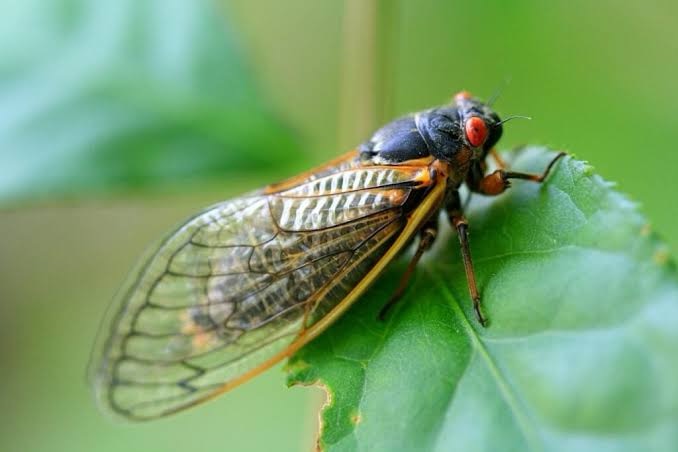
The abilities of cicadas do not stop there. They have robust bodies and transparent wings adorned with intricate veins. These wings, unlike birds, are not only used for flight but also play an important role in producing the sounds that characterize their presence in nature. The ability to fly allows cicadas to move easily between trees in their relentless search for food. However, it is in sound where their adaptations truly shine. They possess a specialized structure called a tymbal, responsible for creating the calls that echo through the forests. The tymbal is essential in their life cycle, but its analysis will be explored later.
In addition to their biological adaptations, cicadas share characteristics with other fascinating insects. Just like the complexity of beetles, cicadas exhibit resilience and functionality remarkably well adapted. When we observe these insects closely, we not only notice their complex interactions with the environment but also how ingeniously nature has organized itself to ensure the survival and perpetuation of species.
The Song of Cicadas
As evening falls, a fascinating symphony emerges from the trees. Cicadas begin their concert in a complex prelude, each playing its role in this natural orchestra. What seems to be mere noise is, in fact, a rich tapestry of communication. There are over 3,000 species of cicadas, and each has a distinct song to attract mates.
Males produce their songs using membranes called tymbals, located in their abdomen. The rapid contraction of muscles resonates these membranes, creating sounds that can be heard kilometers away. These sounds vary in frequency and pattern depending on the species. The primary role of the song is mating. It is essentially a demonstration of fitness, where the sound is proof of the male’s vitality. Males that can sing loudly and consistently generally enjoy greater reproductive success.
Beyond the reproductive purpose, the songs also serve to map the territories of males. Through specific sounds, they delineate their areas, reducing physical confrontations with other males. Interestingly, cicadas are sensitive to the songs of others. They adjust their frequencies to avoid overlap, creating a semi-coordinated harmony.
The sound communication of cicadas is a clear demonstration of how nature balances functionality and aesthetics. This song of nature may even play an ecological role, influencing predatory species that recognize the sound as a signal of available food. To explore more about the impact that animal sounds have on nature, check out the stories of other creatures like the Toucan.
Life Cycle of Cicadas
Cicadas have a fascinating life cycle that combines patience and brief moments of splendor. From the nymph stage, cicadas spend most of their lives underground, feeding on the sap from roots. This subterranean stage can last from two to seventeen years, depending on the species. During this period, they live a modest existence, out of sight, but playing a vital role in the ecosystem.
When the time comes, nymphs emerge from the soil, guided by instinct and the ideal temperature of the environment. They climb up branches and trunks, where they undergo their final transformation. The skin of the nymphs splits, revealing the adult cicada. The molt is an incredible spectacle, despite its simplicity, transforming the cicada into a winged and vibrant being. Soon, the air resonates with their characteristic symphonies.
The short adult life of cicadas has a clear purpose: reproduction. Males use their unique ability to sing, through structures called tymbals, to attract females. These serenades resonate in the forests and fields, a sonic testament to their brief lives on the surface. After mating, females lay eggs on tree branches. Thus, the cycle begins anew, perpetuating the existence of cicadas. If you are interested in unique phenomena, the intelligent behavior of the jumping spider offers an equally fascinating perspective on nature.
Cicadas and the Ecosystem
Cicadas play a crucial role in the ecosystem. They are more than just summer singers; cicadas are vital agents in environmental health. During their subterranean stage, they feed on the sap from plant roots, particularly trees. This activity influences nutrient cycling, promoting soil aeration and movement.
Although their feeding may seem harmful, the impact is generally minimal and sometimes benefits the plant. The extraction of sap causes plants to absorb more water from the soil, aiding in natural drainage and preventing water accumulation.
Ancient myths may claim that cicadas severely damage plants, but the truth is different. They function as natural little plows, promoting air and nutrient circulation, thus improving the overall health of the soil.
As prey, cicadas also sustain a variety of predators. These insects provide a significant food source for birds, mammals, and reptiles. During the rare events of mass emergence, known as ‘periodic emergences,’ predators enjoy a seasonal feast, which can benefit their populations in the long term.
Furthermore, upon emerging, cicadas leave behind a layer of exoskeletons that decomposes, adding organic matter to the soil. This event infuses a surprising wealth of nutrients, highlighting their role as natural recyclers.
Thus, cicadas, much like the interesting way beetles contribute to the ecosystem, are essential components, promoting balance and ecological health wherever they go.
Curiosities and Myths
Cicadas are often shrouded in a veil of mystery, generating stories that blend reality and fantasy. One of the most common myths is that cicadas live only for a few weeks. In fact, their life cycle is divided into two distinct phases. While the adult phases may be ephemeral, lasting four to six weeks, their nymph phases can last for years. Some species spend up to 17 years underground before emerging, particularly in regions like North America.
Contrary to popular belief, not all cicadas synchronize their emergence. There are species that appear annually and others that follow well-defined cycles, creating intermittent spectacles of mass appearance. Another intriguing curiosity is the characteristic sound they produce. Only males emit it, seeking to attract mates. They produce the sound by vibrating membranous structures called tymbals. This sound can reach levels exceeding 100 decibels, which is surprisingly loud for such a small being.
Additionally, cicadas play a crucial role in the ecosystem. As subterranean larvae, they aerate the soil, which is beneficial for plants. And, upon emerging, they provide abundant food for predators, maintaining balance in the natural food chain.
There are also misconceptions about their feeding habits: cicadas are harmless to humans and gardens. They feed on the sap of trees and shrubs, rarely causing significant damage to plants. Although much of their life occurs out of human sight, this beautiful insect contributes both to the natural balance and to creatures more commonly seen, like the anhinga, which also interacts with its environment in a unique way. Battling legends, cicadas continue to fascinate us and highlight the symphony of nature.
Conclusions…
Cicadas are fascinating creatures that offer much more than their characteristic song. Understanding their role in the ecosystem and the curiosities surrounding them enriches our appreciation for wildlife. The diversity and intriguing behavior of cicadas remind us of the beauty of the natural world.
Did you know?
What danger does a cicada pose? Cicadas do not pose a danger to humans or animals. However, they can damage plants by feeding on sap, especially in large populations.
Why does the cicada sing and die? The cicada’s song is an attempt to attract mates for reproduction. After mating, the life of most cicadas is short, which may lead to the perception that they die shortly after singing.
Why does the cicada scream so much? The cicada’s scream, which is actually a song, serves to attract males during the mating season. This intense vocalization is a crucial part of their reproduction.
When the cicada sings, is it a sign of rain? Not always. While some people believe that the cicada’s song may indicate climatic changes, in reality, they sing primarily to attract mates, regardless of the weather.
When the cicada sings, what does it mean? The cicada’s song generally indicates that the male is trying to attract a female for mating. It is a sign that they are in a reproductive period.
How long does it take for a cicada to ‘explode’? The expression ‘explode’ refers more to a metaphor in some cultures and is not something that actually happens with cicadas. They emerge from the soil after long periods of development without physical explosions.
What disease does the cicada transmit? Cicadas can transmit some diseases to plants, especially in large quantities, but they do not transmit diseases to humans or animals.
How long does a cicada live underground? Cicadas can spend 17 years in the soil in their nymph stage, while the adult life lasts only a few weeks to months, depending on the species.
Why does the cicada explode? The idea that cicadas ‘explode’ is a legend. In reality, males produce a loud song, which can be perceived as an explosive sound, but no physical explosion occurs.
How to keep cicadas away from home? To keep cicadas away from your home, avoid plants that attract them, keep the yard clean, and use physical barriers like screens on windows and doors.