Butterfly 88: The Beauty of Insects with Stunning Wings
The Butterfly 88, with its wings adorned by the unique number, is not just a breathtaking sight but also a mystery of nature. This article explores the biology, habitat, and rarity of this fascinating insect, revealing a world that many are unaware of.
The Origin of Butterfly 88
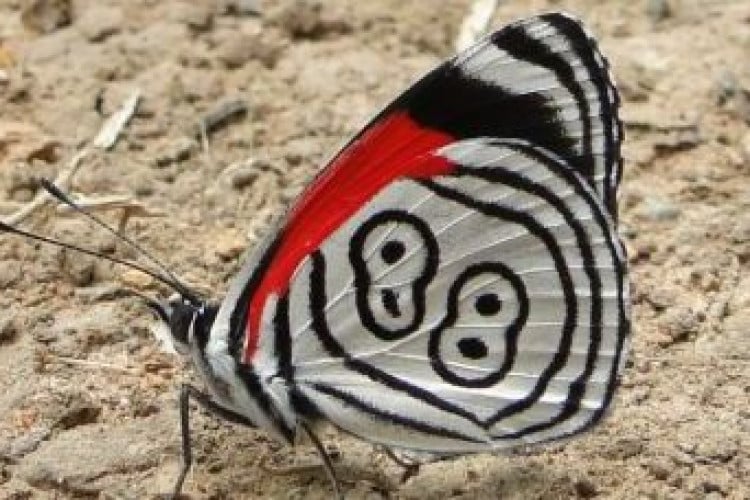
The Butterfly 88, also known by various indigenous tribes as a symbol of transformation, carries a fascinating evolutionary history in its wings. This lepidopteran owes its name to the intriguing ’88’ pattern that adorns its lower wings. The evolutionary journey of Butterfly 88 began millions of years ago, at a time when climatic conditions were quite different from today. Over the ages, this insect developed a series of remarkable adaptations. One of these essential adaptations is its camouflage ability, allowing its beautiful and colorful wings to become invisible to potential predators. The colors on its wings, which at first glance seem to serve only for beautification, play a crucial role in survival. They act as a visual warning that it is unpalatable to many birds. This butterfly is found in the tropical regions of Latin America, where biodiversity is rich and competitive. The genetic variability in these habitats has allowed Butterfly 88 to adapt to different environmental pressures. Every detail in its wing pattern results from rigorous selective pressures that shaped its appearance to ensure its survival. The elegance of this butterfly is not just a result of natural forces; it reflects a balance of complex evolutionary factors. Its history is written in geological time, highlighting how living beings adapt over generations to better integrate into their ecosystem. They palpably represent that beauty can be as effective a defense weapon as camouflage or poison. For other fascinating examples of adaptation in nature, see the platypus, which looks like a duck but isn’t.
The Habitat and Behavior
Butterfly 88, with its iconic signature, primarily inhabits the tropical forests of Central and South America. These regions offer an abundance of sunlight, high humidity, and dense vegetation, conditions that are ideal for the survival and prosperity of this fascinating species. Tropical forests provide a safe refuge, filled with host plants for its caterpillars and richly nectariferous flowers for the adults.
This remarkable butterfly tends to prefer low-altitude forest areas, where environmental conditions are stable and the climate is warm year-round. This environment provides not only abundant food but also suitable places for reproduction and protection against predators. An interesting behavior observed in Butterfly 88 is its particular liking for open areas and trails within the forests. These locations provide ideal conditions for sunbathing, essential for its daily activity. Unlike many other butterflies, it is often seen resting on moist surfaces, such as muddy trails or stream banks, where it can absorb necessary minerals from the soil.
The camouflage ability is another intriguing characteristic that helps this species blend into its environment when threatened. Despite its vibrant colors, the numerical pattern on its wings serves as a visual reminder to predators about its possible toxicity. Among its ecological interactions, Butterfly 88 participates in a mutual dance with plants and other insects, composing the rich tapestry of tropical biodiversity. To explore other wonders of the Amazon, such as insects, see more on the newly discovered fungus in the Brazilian Amazon. Butterfly 88 is undoubtedly a formidable example of the beauty and complexity of tropical nature.
The Fascinating Metamorphosis
Observe Butterfly 88, a sublime creation of nature that enchants us not only with its beauty but also with its transformation. The journey of Butterfly 88 begins as a simple egg, resting under the leaves of a host plant. Hatching marks the start of its life as a caterpillar, voracious and tireless in the task of devouring foliage to accumulate energy. The caterpillar stage is crucial, as it provides the future butterfly with the necessary nutrients for metamorphosis. After adequately feeding, the caterpillar chooses a safe location to transform into a chrysalis, where the magical metamorphosis will occur. For several weeks, a silent transformation takes place within this cocoon. The caterpillar’s tissues completely restructure, giving rise to a complex winged beauty. When it emerges, the adult Butterfly 88 reveals its splendid black and red wing design, which gives it its distinctive name. This pattern is not just for our visual delight; nature designed these colors as a tactical care. The vibrant markings serve as a warning to predators, indicating that it may be toxic or unpleasant in taste.
Ecologically, Butterfly 88 plays a vital role as a pollinator. By visiting flowers in search of nectar, it aids in the reproduction of plants. This life cycle is an essential interconnection in the web of biodiversity that sustains many ecosystems. This harmony is also explored by other wonders of nature, such as the ladybug, which has fascinating adaptations in its environment. Butterfly 88 demonstrates how metamorphosis is essential for the balance of the habitats where it lives.
Rarity and Conservation
Butterfly 88, with its fascinatingly marked wings that reproduce the number, is a rare wonder of nature. This precious species inhabits regions of Central and South America, a reminder of the unique biodiversity of these areas. Although visually enchanting, its rarity is accentuated by a set of threats that put its survival at risk. Among the critical factors, habitat destruction caused by deforestation for agriculture and rampant urbanization drastically reduces essential wild areas. Such environmental alteration limits the feeding and breeding zones of Butterfly 88. Furthermore, pesticide pollution severely compromises its population, directly interfering with the life cycles of these fragile creatures.
The pressure from illegal trade, driven by the demand from collectors and museums, also has an impact. Indiscriminate capture, aimed at profiting from its incredible beauty, exacerbates its threatened status. Protective measures are, therefore, urgent and essential to ensure the persistence of this winged jewel. To counterbalance, conservation efforts aim to create protected natural reserves where Butterfly 88 can thrive without harmful human interference. Local and international organizations are collaborating to monitor populations, encouraging sustainable agricultural practices that reduce the use of agrochemicals. Community education plays a vital role, raising awareness about the ecological importance of these creatures and promoting alternatives to illegal trade. An example of similar preservation can be found in the Jumping Spider Ecosystem Protection Project, which highlights the effectiveness of community actions in biodiversity conservation.
Curiosities and Myths
Butterfly 88 captivates admirers with its wings displaying an intriguing pattern, resembling the number 88. This pattern generates fascination and inspires a series of myths and curiosities. In some cultures, butterflies are seen as spiritual messengers, bearers of change and renewal. Butterfly 88, with its unique design, is deeply connected to this. The ’88’ pattern on its wings is considered a symbol of luck and prosperity, amplifying its mysticism.
The admiration for these butterflies goes beyond aesthetics; they provoke speculation around their cultural significance. In some folklore, it is believed that spotting a Butterfly 88 can be a sign of imminent positivity, a forthcoming luck about to cross your path. Lepidopterists share interesting curiosities about these creatures. For example, the variety of colors ranging from vibrant shades of blue, red, and yellow on the edges of their wings. Despite their beauty, they also have an essential ecological function by transporting pollen between flowers, acting as a discreet pollinator of their natural habitat.
Another curious aspect of Butterfly 88 is its ability to adapt to different environments, a characteristic it shares with other fascinating creatures, such as the unusual arachnid, the jumping spider. This demonstrates the adaptive and evolutionary complexity of some insects. Although mysterious and enchanting, Butterfly 88 invites nature lovers to explore the secrets that its wings manifest, like a colorful page open to imagination. Such curiosities deepen our appreciation for the biodiversity that inhabits the world around us.
Conclusions…
Butterfly 88 is a perfect example of the beauty and complexity of nature. Its rarity and distinct characteristics make it a true treasure for enthusiasts and scholars. Protecting its habitat is essential to ensure that future generations can appreciate this masterpiece of evolution.
Did You Know?
What does the number 88 mean on the butterfly? The number 88 on the wings of Butterfly 88 is a unique mark that identifies it, possessing a symbolism that fascinates nature enthusiasts and scholars.
Why is Butterfly 88 rare? Butterfly 88 is considered rare due to its specific habitat and the fragility of its population, making it a vulnerable species.
Which caterpillar turns into Butterfly 88? The caterpillar that transforms into Butterfly 88 belongs to the Nymphalidae family and undergoes a unique metamorphosis that results in the beautiful butterfly.
What is the value of a Butterfly 88? The value of a Butterfly 88 can vary widely in the collector’s market, depending on its condition and demand among collectors.
What does Butterfly 88 eat? Butterfly 88 primarily feeds on flower nectar, preferring specific plants that provide the necessary nutrients for its survival.
What is the rarest butterfly in Brazil? The rarest butterfly in Brazil is the Palpifer decolor, which has an extremely limited population and specific habitat.
What is the most poisonous butterfly in Brazil? The most poisonous butterfly in Brazil is the wood butterfly, whose chemical defense can be lethal to predators.
What are the 10 rarest butterflies in the world? The 10 rarest butterflies in the world include specimens like Nymphalis antiopa and Pseudonympha egeria, which are limited in their distributions and highly sought after by collectors.