The Brown Recluse Spider: The Silent Danger
The brown recluse spider is a fascinating yet dangerous creature, often associated with severe consequences in the event of bites. This article explores its characteristics, the nature of its venom, and safety measures that can be taken to deal with these spiders.
Characteristics and Habitat
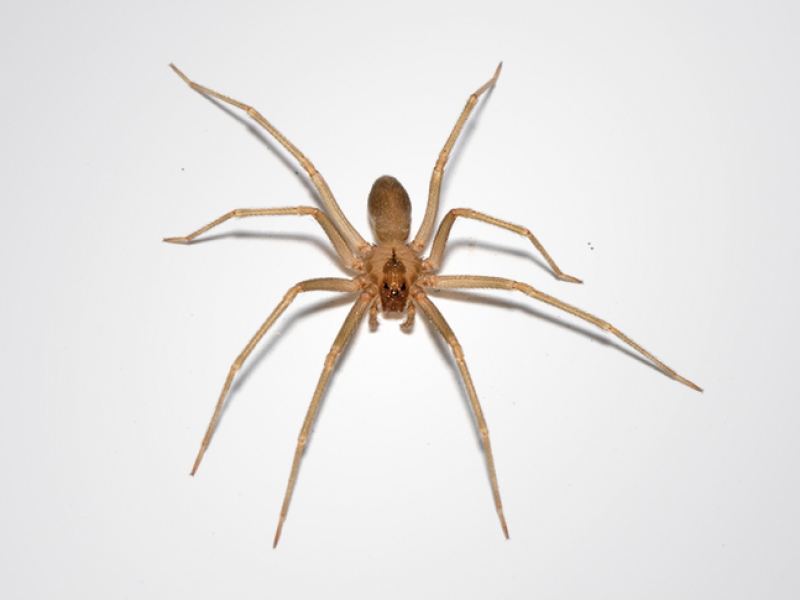
The brown recluse spider is a fascinating example of adaptation to life in varied environments. Its body displays a coloration that ranges from light brown to dark brown, usually with a violin-shaped marking on its legs and abdomen. This camouflage is an effective protector against predators, allowing it to blend into dry soil and tree trunks.
Physically and physiologically, these arachnids are agile, equipped with eight long legs and sensitive antennae. These features help them detect movements in their environment, which are essential for hunting and evasion. Brown recluse spiders are commonly found in isolated areas, such as attics, garages, and other dark, damp places. This preferred habitat is not accidental. The warm and sheltered environment offers safety from predators.
The interaction with the habitat directly influences the geographical distribution of the brown recluse spider. In the United States, for example, they are common in the South and Midwest. The temperate climate is ideal, as it provides the necessary conditions for their survival and reproduction.
Moreover, the choice of habitat affects the availability of prey. Brown recluse spiders prefer to consume crawling insects, which are abundant in their environments. This preference fuels a cycle that sustains their populations in strategic locations.
This intricate relationship between physical characteristics and habitat is crucial. Combined, these adaptations allow the brown recluse spider not only to survive but to thrive in diverse ecosystems. In contrast, environmental degradation, such as urbanization, can have drastic effects on the population of this arachnid. For more information about fascinating creatures in this world, you can explore the incredible diversity in nature.
The Venom of the Brown Recluse
The venom of the brown recluse spider is notoriously complex, containing a mixture of enzymes and proteins that can cause significant damage. Among the main components, the enzyme sphingomyelinase D stands out. This substance is responsible for interacting with human cells and other organisms. Its action causes the degradation of the cell membrane, resulting in necrosis. The effect is devastating, especially for tissues near the bite.
In addition to sphingomyelinase D, the venom contains neurotoxins that directly affect the nervous system. Such substances can cause intense pain, muscle spasms, and, in extreme cases, lead to paralysis. Thus, an encounter with this seemingly harmless creature can translate into a painful and even dangerous event.
In humans, the symptoms of a bite vary widely. Initially, the pain may be localized, but over time, the affected area may become red and swollen. Systemic reactions include fever, chills, and general malaise. In the most severe cases, tissue death, known as necrosis, can occur, requiring urgent medical intervention.
The venom of the brown recluse spider does not only affect humans but also other living organisms. Smaller animals, such as rodents and insects, may experience similar effects, although the severity varies by species. Meanwhile, natural predators of the brown recluse may develop immunity or resistance to these venomous effects. For more information about the impacts of venom on various species, you can consult this article on the jumping spider and its interaction with the environment.
Identification and Prevention
The brown recluse spider, with its slender body and long legs, is often confused with other species. Its coloration ranges from light brown to dark brown, and it displays a characteristic violin-shaped mark on its back. This mark can vary in intensity, but it is vital for identification. The eyes, arranged in a unique pattern of six, are also a clue for recognizing them. The places where this spider usually inhabits are generally dark and quiet, such as attics, garages, and basements, making accidental encounters more likely.
To prevent unwanted encounters, it is important to maintain cleanliness and organization in areas prone to harboring them. Remove piles of wood, unused materials, and debris that can serve as hiding spots. Sealing cracks and holes in walls and around windows and doors is also a smart measure. Often, the brown recluse spider invades homes during the fall in search of warmth and shelter. Thus, keeping windows closed and doors sealed can greatly aid in prevention.
If an encounter occurs, avoid sudden movements, as the spider may feel threatened. Using a glass to capture it and releasing it outdoors can be a gentle solution. For those who are not fooled by the shy appearance of this creature, learning more about the biodiversity around us is always worthwhile. Check out this fascinating post about spiders and expand your knowledge about these incredible arachnids.
Treatment in Case of a Bite
When a brown recluse spider decides to attack, the injected venom can cause adverse reactions. It is vital to quickly recognize the symptoms and act promptly. Initially, the victim may feel a sharp pain that soon transforms into an intense burning sensation. The bite site may show swelling and redness, which can evolve into an open wound. At these moments, the silence of danger becomes imperative. The first step is to remain calm. The victim should be encouraged to stay at rest. It is recommended that the affected area be immobilized and elevated. This helps reduce swelling. Applying a cold compress can relieve pain and inflammation. It is crucial to avoid administering medications without guidance. Seeking medical attention should be prioritized. Upon arrival at the hospital, the professional will examine the symptoms and may administer antivenom if necessary. Close observation is necessary, as emergency signs include difficulty breathing, rapid heartbeat, and the possibility of severe allergic reactions. Understanding these signs and seeking help quickly is essential. The sooner treatment begins, the greater the chances of recovery. The brown recluse spider is a silent link between knowledge and caution. To learn more about the necessary precautions when dealing with insects, see this article on jumping spiders here.
Myths and Realities
The brown recluse spider, known for its discreet appearance and potent venom, generates various myths. One of the most common is that its venom causes instant necrosis. Although the venom is dangerous, necrosis does not occur in all cases. In many individuals, symptoms can be mild with proper follow-up. Another popular belief is that the brown recluse spider actively pursues people. This is a misconception. These spiders only seek shelter in dark, warm places, such as corners and crevices. They do not actively seek human presence. Furthermore, the brown recluse spider is often confused with other species, leading to excessive caution. Although they share similar characteristics, correct identification is crucial for ensuring safety. A common myth is that its venom is more toxic than that of other spiders. However, many factors influence the severity of the bite, such as the health of the victim and the amount of venom transmitted. In urban environments, the brown recluse spider plays an important ecological role by controlling insect populations. Therefore, indiscriminately exterminating it can be harmful to the natural balance. Education about this species is essential to demystify it and avoid excessive reactions. Knowledge based on scientific evidence is fundamental to understanding the brown recluse spider. While it may pose a threat to some, it is also a fascinating creature in its contribution to the ecosystem. For a more detailed analysis of intriguing spiders, including other species like the jumping spider, see this article on spiders.
Conclusions…
In summary, the brown recluse spider is a fascinating animal, yet it poses a serious health risk. Understanding its characteristics and taking appropriate precautions is essential to avoid severe complications in case of contact.
Did You Know?
Which brown recluse spider is venomous? The common brown recluse, scientifically known as Loxosceles gaucho, is the main venomous species found in Brazil.
What happens if bitten by a brown recluse? The bite can cause intense pain, wound formation, and, in severe cases, necrosis of the surrounding tissue.
Which is the most dangerous spider in Brazil? Besides the brown recluse, the armed spider, also known as Lasiodora, is considered one of the most dangerous in Brazil.
Is there a cure for brown recluse venom? Although there is no specific antidote, treatment with medical care and symptomatic support is crucial in bite cases.
Which spider kills humans? The armed spider is the most notorious for causing human deaths, especially due to its aggressiveness.
What is the weirdest spider in the world? The six-eyed spider, also known as Sicarius, is often mentioned due to its unique appearance and hunting habits.
Which spider can lead to death? Besides the armed spider, the black widow spider has potent venom and can be fatal without proper treatment.
What is the most venomous creature in the world? The blue-ringed octopus is considered the most venomous, with venom that can kill a human in minutes.
How long does brown recluse venom stay in the body? The effects of the venom can last for days, but symptoms and tissue damage can be permanent if not properly treated.