Banana Spider: The Agility of Nature
The banana spider, a master of camouflage and speed, is a creature that fascinates and terrifies. Found in various plantations, its ability to leap and potential toxicity are themes we will explore in depth, revealing the mysteries and truths about this intriguing arachnid.
The Fascination of the Banana Spider
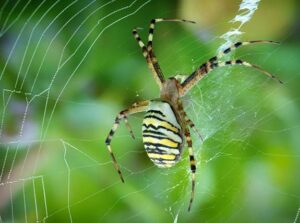
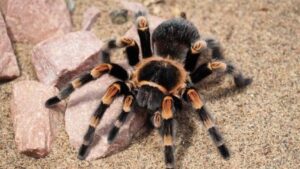
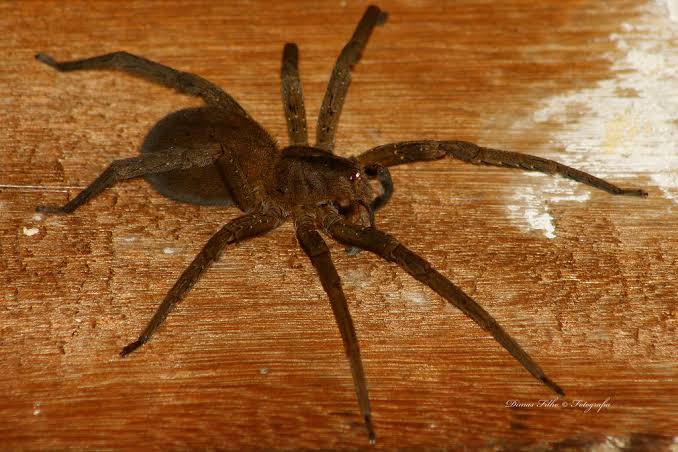
The banana spider, known for its agility and vibrant color, is a fascinating example of nature’s adaptability. Its slender body can range from lime green to golden yellow, with its long, thin legs providing impressive control over its environment. Primarily inhabiting tropical forests and areas of dense vegetation, this spider has an exceptional ability to camouflage among the leaves, becoming almost invisible to predators and prey.
Its behavior is equally intriguing. Unlike many spiders that weave webs, the banana spider prefers a more active approach. It uses its excellent panoramic vision to locate insects, its main food source. When hunting, it remains motionless for long periods, watching for any nearby movement. As soon as a prey passes by, it jumps quickly, using its long legs to effectively reach the meal. It is a bold hunter, capable of capturing prey much larger than itself.
The ecological importance of the banana spider is undeniable. As a predator, it helps control insect populations, contributing to the balance of the ecosystem. Furthermore, its interactions with other species reinforce the complexity of the webs of life that sustain tropical forests. For a deeper look into another intricate mechanism of nature, you can visit this article on the jumping spider, which also exemplifies the incredible diversity of arachnid hunting habits.
Agility and Hunting Strategy
The banana spider is a true master of agility. Its remarkable movement skills make it an efficient and feared predator. By camouflaging among leaves and branches, it silently awaits the passage of its prey. Thus, the spider employs an ambush technique, using dense vegetation to its advantage. With a slender body and long legs, the banana spider moves with precision. Its jumping ability is extraordinary, allowing it to cover considerable distances in fractions of a second. Most of the insects it chases have no idea what is coming next. When a prey approaches, the spider launches into a lightning-fast attack. Its strategy is simple yet incredibly effective.
After the jump, its jaws are perfectly prepared for a quick strike. The force of the impact, combined with its dexterity, usually ensures success in capturing. This moment, in which the spider seizes its prey, is a demonstration of the brutality and beauty of nature. This highly adaptive approach allows the banana spider to stand out among other arachnids. In contrast to those that weave complex webs, this spider is an active predator that seeks and attacks. Its ambush techniques and leaps ensure that it remains at the top of the food chain in its habitat. For more on the agility of other beings, check out jumping spiders that also showcase impressive skills.
The Dangers of Venom
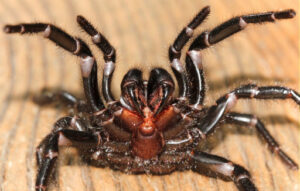
The venom of the banana spider is a true marvel of evolution. This arachnid possesses a neurotoxic venom that can cause serious effects on its victims. Its venom acts quickly, paralyzing prey and allowing the spider to feed efficiently. The toxins directly affect the nervous system, resulting in immense pain and, in humans, can lead to severe adverse reactions. Although rare, cases of bites in humans can be devastating, causing symptoms ranging from mild swelling and pain to more serious complications, including death. While the banana spider does not seek to attack humans, its venom is merely a natural defense when it feels threatened.
In its predatory life, venom plays a crucial role. The banana spider uses its ability to weave fine and discreet webs to ambush its prey, predominantly insects. Upon capturing a prey, the spider quickly injects its venom, which not only facilitates capture but also initiates the digestion process. The venom is key to transforming its prey into accessible food. This sophisticated method of predation not only contributes to its survival but also to ecological balance, keeping insect populations under control. In this way, the banana spider plays a vital role in the ecosystem, showing that even the most feared venoms have their function. To explore more about interactions and venoms in nature, check out the fascinating world of spiders.
The Importance in Agriculture
The banana spider is a fascinating creature that plays a crucial role in agriculture. Its presence in plantations is beneficial and often underestimated. These arachnids not only capture a wide range of insects but also help maintain ecological balance. By controlling pest populations, they reduce the need for pesticides, benefiting both the environment and human health.
When the banana spider establishes itself in a plantation, it becomes an efficient predator. Its agility and hunting strategy ensure that many unwanted insects, such as mosquitoes and grasshoppers, are eliminated. This natural pest control protects crops and, consequently, agricultural production. By keeping pests at bay, banana spiders contribute to plant health, allowing for more vigorous and productive growth.
Moreover, the presence of spiders creates a cascading effect throughout the ecosystem. By maintaining insect populations in balance, they favor biodiversity. This diversity is essential for a healthy environment, where pollinators, such as bees, can thrive, resulting in effective pollination and the production of fruits and seeds.
Thus, the banana spider becomes a valuable ally for farmers. Sustainable agricultural practices benefit from the presence of these spiders. Therefore, recognizing and preserving this natural predator is essential. For those who wish to understand the importance of biodiversity, this is a clear example of how the smallest living beings can have a significant impact on agriculture. Learn more about the importance of spiders in nature in Jumping Spider.
Mitigating Risks and Coexisting with the Banana Spider
The banana spider, with its impressive skills, can be an ally in agriculture. It feeds on pests, controlling their numbers naturally. To coexist peacefully with this arachnid, some preventive measures are essential. It is important to keep cultivation environments clean and organized. Removing debris and organic matter that may serve as shelter or food for pests and spiders is a good start. It is also advisable to use physical barriers in areas where the arachnid may invade. Screens and barriers help limit the spider’s access to crops. Cultivating plants that attract natural predators, such as birds and beneficial insects, can provide ecological balance. By allowing biodiversity to flourish, the banana spider will find its relaxed space and play its role in the agricultural ecosystem. Respecting the spider’s space is crucial. When spotted, the spider should be left alone unless it poses a direct risk. Instead of killing it, safely capture it and release it away from the crops. This practice not only preserves the delicate balance of the ecosystem but also avoids the use of harmful pesticides. Thus, coexisting with the banana spider is a sustainable and ecologically responsible approach. For those who wish to learn more about the importance of biodiversity in plantations, I recommend reading about the diversity of beetles, which also play fundamental roles in nature.
Conclusions…
In summary, the banana spider is not just a common inhabitant of plantations but a fascinating creature rich in complexity. With its exceptional agility and potentially dangerous characteristics, it teaches us about the delicate dance of life in the animal kingdom and the importance of preserving its habitat.
Did You Know?
- What is the habitat of the banana spider? It is often found in plantations, where it easily adapts to the environment.
- Is the banana spider venomous? Yes, it has venom, although the effects on humans can vary.
- What are the most notable behaviors of the banana spider? Its agility and camouflage ability to avoid predators are notable.
- How to identify the banana spider? The banana spider has a slender body and can have varied coloration that helps it blend into the environment.
- Is it beneficial for the ecosystem? Yes, it plays a crucial role in pest control and plant health.