Corythomantis greeningi: The Toxic Giant of Latin America
The Corythomantis greeningi, an impressive creature from Latin America, is widely recognized not only for its size but also for its remarkable toxicity. This article explores the behavior, habitat, and environmental consequences of this fascinating species, revealing the importance of its preservation.
General Aspects of Corythomantis greeningi
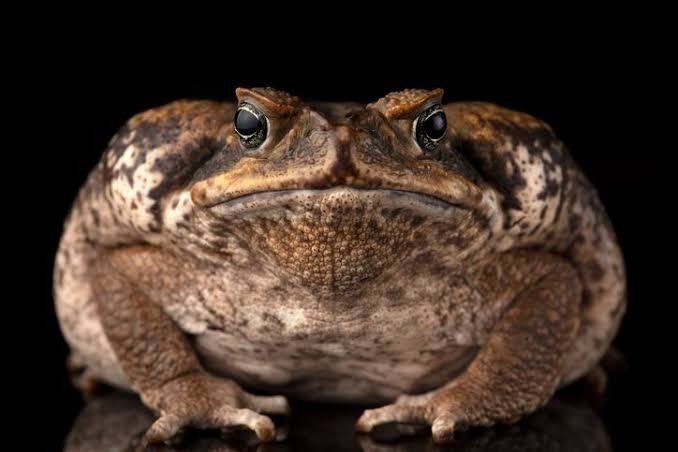
The Corythomantis greeningi, with its impressive presence, stands out among the amphibians of Latin America. It can reach up to 25 centimeters in length, making it one of the largest toads on the continent. Its skin is thick and covered with warts, varying in color from brown to olive green, which provides effective camouflage in its natural habitat.
The parotid glands, located behind its eyes, are a unique adaptation. They produce a highly toxic secretion, a remarkable defense against predators. This venom, called bufotenin, is enough to discourage even the boldest animals. With its dark coloration and rough skin, the Corythomantis greeningi is a master of imitation, blending in with the surrounding vegetation.
This species is widely found in different regions, from tropical forests to urban areas. The Corythomantis greeningi is native to countries like Brazil, Argentina, and Paraguay, and its presence extends to the territories of Central America. Adapting to diverse environments, it becomes a common inhabitant of gardens and backyards, showcasing its ability to survive in human-modified areas.
Interestingly, its diet includes a variety of insects, and it is an opportunistic predator. Reproduction occurs during the rainy season, when males call females with their resonant croaks. This ritual is essential for the continuity of the species. The Corythomantis greeningi, therefore, is not only a wonder of nature but also a testament to resilience and adaptation in the lush biodiversity of Latin America. To understand more about the richness of species in the region, explore the fascinating aquatic life.
Habitat and Behavior
The Corythomantis greeningi, a giant of Latin America, adapts to various habitats. Forests, fields, and even urban areas host this fascinating amphibian. Typically, it prefers humid and shaded environments, where dense vegetation offers shelter and food. In fields and pastures, it excels at camouflaging among tall grass and shrubs. Even in urban areas, the Corythomantis greeningi seeks gardens and green spaces in search of insects.
Feeding primarily on insects, the Corythomantis greeningi is a nocturnal predator. At night, it ventures out in search of its prey, using its sticky tongue to capture quick insects. This abundant feeding occurs at various stages of the toad’s life. In its youth, they consume small invertebrates before becoming more voracious hunters.
During the breeding season, the behavior of the Corythomantis greeningi becomes even more intriguing. They often congregate near bodies of water, where males emit characteristic vocalizations to attract females. Mating usually occurs at night, and after fertilization, females lay hundreds of eggs in the water. These eggs develop rapidly, and tadpoles begin to emerge after a few days.
The daily interaction of the Corythomantis greeningi with its habitat reveals a meticulously adapted life cycle. What appears to be a simple amphibian hides a complex and fascinating behavior. To learn more about the lives of these incredible beings, read about their interactions with the ecosystem.
Toxicity and Defense Mechanisms
The Corythomantis greeningi, a titan of nature, is not only imposing in size but also in its chemical defenses. This magnificent amphibian possesses specialized glands in its skin that secrete a potent venom, known as bufotenin. This compound is a true arsenal of protection, effectively acting against any predator that dares to attack it. When ingested, it causes serious damage to the central nervous system and can even lead to the death of animals as large as birds and mammals.
Bufotenin does not act randomly; its effectiveness varies among different species. Less experienced predators can be quickly discouraged, meaning that the Corythomantis greeningi benefits from a defense mechanism that protects its species. Furthermore, the toad’s toxicity not only preserves its life but also creates a delicate balance in the ecosystems it inhabits.
While these venoms deter predators, they also exert a cascading effect on ecological interactions. Species that would normally feed on this toad need to change their habits, resulting in reduced predation pressure on other small creatures. This, in turn, may allow smaller species to thrive without the constant threat of being devoured.
Thus, the toxicity of the Corythomantis greeningi is not just a defense; it is an essential part of the ecological fabric. Through its interactions, it reveals how a single organism can influence the dynamics of an entire ecosystem. For a comparison of adaptations in other animals, see the Jumping Spider, which also possesses intriguing defense mechanisms.
Environmental Impact and Conservation
The Corythomantis greeningi, known for its robust appearance and venomous secretions, plays a vital role in its natural habitat. As an opportunistic predator, it controls populations of insects and small invertebrates, fulfilling an important ecological role. However, its presence in new ecosystems, especially outside its native environment, poses recurring challenges to local biodiversity.
When established in non-native environments, the Corythomantis greeningi can cause devastating impacts. Its voracity and adaptability can lead to the decline of local species. This results in decreased biodiversity and a possible destabilization of the food chain. This situation requires immediate attention to mitigate its effects.
Conservation initiatives are underway in various regions aimed at protecting both the Corythomantis greeningi and threatened biodiversity. Environmental education programs promote awareness about the proper management of habitats. Ecosystem restoration has also become a priority, ensuring a conducive environment for native fauna to thrive.
Moreover, scientific research on the Corythomantis greeningi proposes innovative approaches. Population monitoring and control programs have been adopted in areas where the species is seen as invasive. Collaboration among scientists, conservationists, and local communities is essential for the success of these initiatives.
While the Corythomantis greeningi plays a significant role in its native ecosystem, it is crucial that ongoing efforts are made to preserve biodiversity. Protecting this species requires joint attention and a shared commitment, ensuring a healthy balance among all forms of life. To understand more about the impact of invasive species, check out this article.
Curiosities and Interesting Facts
The Corythomantis greeningi, with its imposing size and peculiar appearance, reveals a series of incredible adaptations. Its skin secretes a powerful toxin, bufotenin, which protects the animal from predators. This venom can even cause muscle spasms, serving as an effective means of survival in hostile environments. Admirably, these toads can survive in areas where water is scarce, thanks to their ability to burrow into the soil and enter a state of estivation, reducing their hydration needs.
In local culture, the Corythomantis greeningi is more than just a resident of forests and fields. In some regions, it is considered a symbol of wisdom and knowledge. Its representations appear in folklore and myths, where they transcend the role of simple amphibians to become characters of great relevance. This symbolism is often linked to its life cycle and the transformations it undergoes during its journey, fascinating both adults and children.
The importance of the Corythomantis greeningi in environmental education is undeniable. Its role as an indicator of environmental health is fundamental, as its presence or absence can reflect the quality of the ecosystem. Additionally, educational projects often present this toad as a way to engage communities in biodiversity conservation. Through activities and lectures, people learn about the impact of amphibians on ecosystems and the need for preservation. Learning more about biodiversity is essential for sustainability.
Conclusions…
The Corythomantis greeningi plays a crucial role in its ecosystem. Understanding its habits and toxins not only aids in preservation but also highlights the importance of respecting all forms of life. The conservation of this giant is vital for the health of the environments it inhabits.
Did you know?
What is the Corythomantis greeningi?
The Corythomantis greeningi is a large amphibian found in Latin America, known for its robust appearance and potentially toxic nature.
What is the habitat of the Corythomantis greeningi?
It inhabits humid regions, such as tropical forests and agricultural areas, where it finds suitable conditions for reproduction.
Why is the Corythomantis greeningi toxic?
Its skin produces venomous secretions as a defense mechanism against predators and competition for territory.
How does the Corythomantis greeningi affect the environment?
While essential in controlling insects, its toxicity can harm native species and local ecosystems.
Are Corythomantis greeningi populations threatened?
Yes, habitat loss and pollution are factors threatening their populations, making conservation crucial.