The Fascinating White Tree Frog
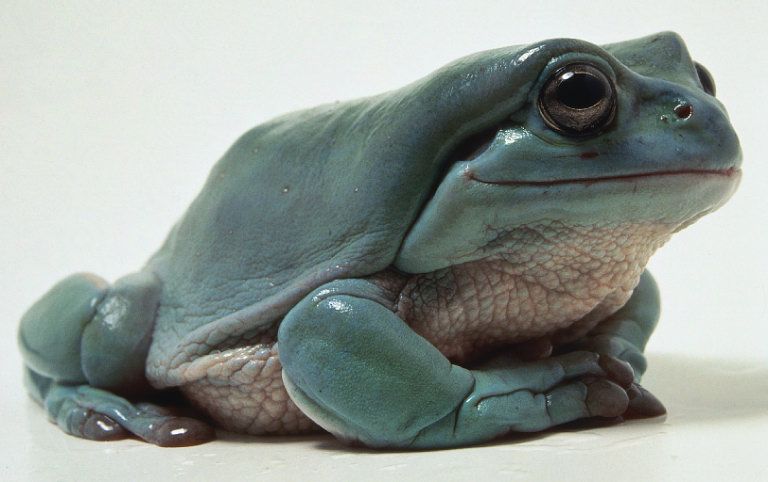
The Australian tropical forests hold a charming little secret: the white tree frog. With large, expressive eyes, this frog is not only known for its beauty but also for its ability to change color. Let’s explore this fascinating amphibian and its vital role in the ecosystem.
Natural Habitat
The white tree frog, a wonder of Australian nature, finds shelter in the lush tropical forests of this vast continent. These habitats, filled with tall trees and dense vegetation, provide an ideal setting for its survival strategies. The tree canopies create a humid microclimate, perfect for amphibious life. Humidity is crucial, as the white tree frog depends on it for maintaining health and preventing dehydration.
The Australian tropical forests are a mosaic of biodiversity, home to countless species of plants and animals. Among this vibrant green, the tree frog camouflages itself masterfully. Its colors, ranging from white to green, allow it to blend in with leaves and trunks. This camouflage strategy is vital for protecting it from predators. The environment also provides a rich food source in the form of insects, which constantly buzz around.
During the rainy season, the males’ courtship calls echo through the forest, attracting females and establishing territory. This reproductive ritual occurs in pools accumulated among the tree roots. Water is an essential element for the species’ survival, not only for drinking but also for reproduction. Thus, tropical forests are not just a home but a true sanctuary for the white tree frog. To learn more about the relationship between habitat and animal behavior, check out this article on the platypus, another fascinating inhabitant of Australia.
The Magic of Color Change
The white tree frog, also known for its impressive ability to change color, exhibits a fascinating phenomenon. This ability is the result of specialized cells called chromatophores. These cells contain pigments that can expand or contract, thus altering the frog’s skin color according to its emotions, temperature, and environment. When feeling threatened or during the night, they tend to darken their skin, making it harder to be seen among the shadows of the trees. This camouflage is essential for their survival in the tropical forests. It protects them from predators while facilitating the hunt for prey.
In addition to camouflage, color change also serves for communication. During the mating season, males and females may display vibrant colors to attract partners or ward off rivals. This display of colors is a powerful visual signal within their habitat. Males, in particular, show their richer coloration to impress females and compete with other males.
The ability to quickly adapt to environmental and social conditions demonstrates how well the white tree frog is suited to its habitat. In moments of stress or excitement, their colors may also become more intense, creating a visual language among these fascinating creatures. Enhancing communication and defense against predators are crucial in the struggle for survival. To better understand the extraordinary world of camouflage and communication, consider exploring works that discuss the diversity of adaptations in the animal kingdom, as seen in jumping spiders.
Behavior and Feeding
The white tree frog is a fascinating creature that exhibits notable behaviors in its tropical forest canopy habitat. Its hunting skills are truly impressive. Armed with sharp vision, these frogs hunt small prey, such as insects and even other small invertebrates. During active moments, often at night, they strategically position themselves on branches and leaves, ready to pounce. With an agile leap, they launch themselves at their prey, using their sticky and quick tongue to capture them in an instant.
The behavior of the white tree frog is intricate. During the day, they often remain motionless, camouflaged among the green leaves. This hiding strategy is not only a defense but also a way to conserve energy, as the environment can be relentless. When predators, such as snakes or birds, appear, the frog can remain almost invisible, thanks to its coloration that blends with the surroundings.
The feeding of the white tree frog is influenced by the season and the availability of prey. They primarily feed on flying insects but can also consume larvae and spiders. The hunting ability and dietary adaptation are fundamental for their survival. Sometimes, they can even be seen feeding in groups, which increases efficiency in capturing food. For more information on hunting strategies in amphibians, check out this article on spiders that also have fascinating capture techniques.
Susceptibility and Conservation
The white tree frog, with its unique appearance and fascinating behavior, faces various challenges in its natural habitat. The destruction of tropical forests, resulting from agricultural expansion and deforestation, is one of the main threats to this species. Its vital environments are dissipating, leading to the loss of breeding and refuge sites. Additionally, over-collection for the pet trade has contributed to the decline of their populations.
Water pollution, caused by chemicals and waste, contaminates the aquatic habitats where these frogs reproduce. This exposure to toxic substances is harmful, affecting their development and survival. Climate change is also a critical factor. Rising temperatures and changes in rainfall patterns directly impact the availability of water, essential for the life of the white tree frog.
To address these threats, conservation actions are being implemented. Nature reserves and protected areas are established to preserve essential habitats. Rehabilitation and reintroduction programs are developed to restore local populations. Environmental education is an important strategy, raising awareness in communities about the importance of this frog and the role it plays in the ecosystem.
Furthermore, scientific research initiatives enhance our understanding of the needs and behaviors of this fascinating frog, as discussed in other threatened species. These actions are crucial to ensure that the white tree frog continues to enchant future generations of nature lovers.
The Importance of the White Tree Frog
The white tree frog, with its delicate body and vibrant colors, plays an essential role in the ecosystem of tropical forests. This amphibian is an integral part of the food web, serving both as a predator and as prey. Its diet mainly consists of insects. By controlling the population of small insects, the frog helps maintain balance in the environment. Without its presence, some insect species could proliferate uncontrollably, harming the habitat.
In addition to its role as an insect controller, the white tree frog also serves as a food source for various species. Birds, snakes, and mammals depend on this amphibian as part of their diet. The removal of the frog from the ecosystem would compromise the survival of predators that rely on it. This phenomenon is a classic example of interdependence between species in an ecosystem. The relationships established between predators and prey ensure the continuity of populations.
Tree frogs are also linked to water quality. As inhabitants of wet environments, they are indicators of environmental health. Healthy populations of these frogs suggest that the habitat remains clean and balanced. On the other hand, the decline of their populations can be a warning sign of ecological imbalances. Thus, the white tree frog proves to be not only a marvel of biology but a silent guardian of balance in its ecosystem. To learn more about other species that play important roles in nature, check out this link.
Conclusions…
The white tree frog is not just a wonder of nature but a symbol of how delicate and interconnected biodiversity is. Appreciating and protecting this species is essential for maintaining the balance of life in the Australian tropical forests.
Did You Know?
- What is the habitat of the white tree frog? The white tree frog primarily inhabits the tropical forests of Australia, where it camouflages among leaves and branches.
- How does the white tree frog change color? This frog changes color through special cells called chromatophores, which expand or contract to alter its appearance.
- What are the predators of the white tree frog? Its main predators include birds, snakes, and some mammals, which rely on its camouflage to survive.
- Is the white tree frog endangered? Yes, habitat loss and pollution are significant threats to the white tree frog, and its populations are declining.
- What makes the white tree frog unique? Its ability to change color and its large, expressive eyes make it one of the most fascinating frogs in the world.