Strawberry Poison Dart Frog: The Poisonous Beauty of Central America
The strawberry poison dart frog is one of the most impressive and colorful creatures found in Central America. With its vibrant shades of red and blue, this species not only captivates with its beauty but also plays a crucial role in its ecosystem. Let’s dive into the fascinating world of this unique frog and understand its biology, behavior, and conservation.
An Introduction to the Strawberry Poison Dart Frog
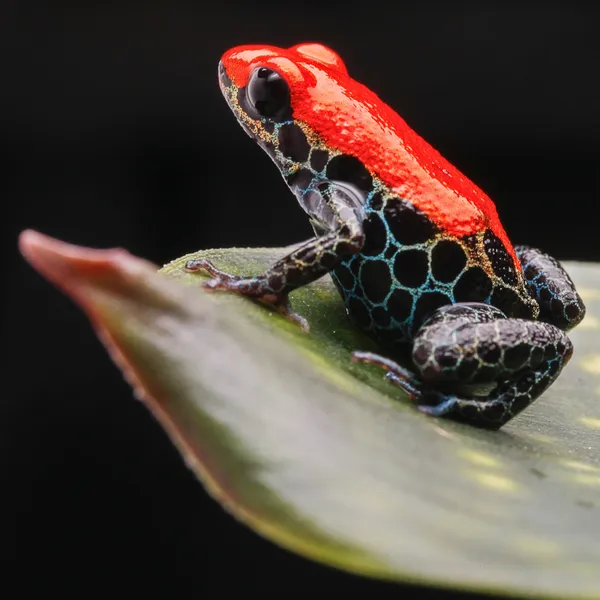
The strawberry poison dart frog, Oophaga pumilio, is an impressive creature from Central America, especially found in the lush rainforests of Costa Rica and Panama. This small amphibian, which can measure up to 5 centimeters in length, stands out for its vibrant colors that range from intense red to emerald blue, each hue playing a vital role in its survival.
Physically, the strawberry poison dart frog is delicate, with smooth, shiny skin. Its eyes are large and expressive, providing excellent vision in its dense habitat. These frogs are notorious for their ability to camouflage among leaves and flowers, adapting their colors to environmental variations, which helps them avoid predators.
The diversity of colors among strawberry poison dart frogs is not merely aesthetic but a fascinating example of adaptation to the environment. The more vibrant colors may signal to predators that these frogs are poisonous, while the more subtle hues offer a form of mimicry, imitating the flowers around them. This association of bright colors and danger is part of a complex defense system.
Feeding on insects, they inhabit moist, shaded areas, often near water sources. The microhabitat they choose reflects the need for a controlled environment where they can regulate their moisture and temperature. To explore more about how these small amphibians enchant the natural world, check out our findings on jumping spiders.
The Power of Color and Poison
The vibrant colors of the strawberry poison dart frog are a spectacle for the eyes. Each shade, from intense red to bright yellow, is not just a matter of beauty. These colors actually serve as a warning to predators under the concept of aposematism. By displaying this striking palette, the frog is saying: ‘I am dangerous.’ The poison they possess is a powerful defense weapon. Predators that ignore this warning quickly learn a bitter lesson. After a bite or ingestion, they associate the frog’s vibrant color with an unpleasant experience.
The poison of the strawberry poison dart frog is derived from its diet. These amphibians consume insects that contain toxins. When these compounds are assimilated, they become part of their biology. Thus, the diet directly influences the potency of the frog’s poison. What is even more fascinating is how this affects their ecological interactions. Predators, often cautious, avoid approaching colorful individuals, preserving the frog population.
The collections of colors and poisons in nature are an essential part of survival. They create a delicate balance in the ecosystem. Predators that avoid the strawberry poison dart frog not only save their own lives but also allow this species to continue thriving. This intricate dynamic between color and poison is a perfect example of how evolution shapes interactions in nature. Just like the strawberry poison dart frog, other animals also use colors and toxins as defense strategies.
Behavior and Feeding
The strawberry poison dart frog exhibits fascinating behavior, especially in its quest for food. These small creatures are voracious predators, primarily dedicated to capturing insects. Their diet mainly consists of ants, small beetles, and flies. This dietary selection is not accidental but crucial for obtaining their characteristic poison. The frogs absorb specific toxins present in the insects they consume, which subsequently accumulate in their tissues. Thus, what might initially seem like a simple meal reveals itself as a vital component of their chemical defense.
As part of their social behavior, strawberry poison dart frogs are known for their territoriality. Males, in particular, vigorously defend their breeding territories, vocalizing loud croaks to attract females and ward off rivals. This ritual, filled with color and sound, is a fundamental part of their reproduction. Furthermore, the behavior of incubating eggs is fascinating. Females typically lay eggs in elevated locations, such as suspended leaves, where tadpoles can fall into safe waters. This minimizes predation and optimizes the survival of the offspring. Even among frogs, social interaction behaviors are notable. They may group together at certain times of the year, especially during the breeding season. These behaviors are not only key to survival but also to the perpetuation of the species. For a detailed analysis of how insects influence the diet and poison of this species, it’s interesting to check this link.
Threats and Conservation
The strawberry poison dart frog, with its vibrant coloration, hides dangers that go beyond its poison. The threats this species faces are multifaceted, with habitat destruction being one of the most severe. The rainforests of Central America, where these frogs live, are being destroyed to make way for agriculture and urbanization. This deforestation not only eliminates the places where the frogs breed but also fragments populations, making them vulnerable to extinction.
Climate change adds another layer of risk. Temperature variations and changes in rainfall patterns directly affect water availability and the frogs’ breeding cycles. Thus, the survival of the strawberry poison dart frog becomes increasingly uncertain.
In addition to habitat loss, illegal collection also poses a threat. The unique beauty and vibrant colors of the frogs attract interest in the exotic animal trade. This unregulated collection can lead to a drastic decrease in wild populations.
The conservation of the strawberry poison dart frog is crucial. Various initiatives are underway to protect these magnificent creatures. Preserving natural ecosystems and creating reserves are essential to ensure the safety of the frogs in their native habitats. Awareness and environmental education projects in local communities have increased understanding of the importance of these frogs and the role they play in their ecosystems. These collective actions are essential to address biodiversity loss. To learn more about the importance of protecting biodiversity, visit here.
The Strawberry Poison Dart Frog and Humanity
The strawberry poison dart frog, with its impressive red and yellow coloration, fascinates the cultures inhabiting the tropical forests of Central America. Over the years, it has not only sparked scientific curiosity but also found a place in the traditions of various communities. The poison of this frog, known for its lethal toxicity, is used by some indigenous cultures to coat hunting arrows. This ancestral knowledge exemplifies a respectful relationship between nature and humans, where wisdom is passed down through generations.
On the other hand, the strawberry poison dart frog is a critical indicator of the health of ecosystems. Its sensitivity to environmental changes makes it a symbol of the biodiversity we face. Habitat loss, resulting from deforestation and pollution, threatens not only the survival of this species but an entire interconnected life cycle. Reducing biodiversity is not merely an environmental impact; it is a disruption of the balance that sustains life.
The voices advocating for the preservation of ecosystems emphasize the importance of each creature within the complex cycle of life. The extinction of the strawberry poison dart frog could trigger unforeseen consequences, affecting predators and plants that depend on this small wonder. It is the urgency of conservation that echoes in every corner of the forests where these frogs reside. Conserving the frog is not just about protecting a species but ensuring the continuity of a natural legacy that connects us all. To learn more about the incredible life in the forests, you can explore the relationship between arachnids and the environment.
Conclusions…
The strawberry poison dart frog is a symbol of Central American biodiversity, with its vibrant beauty and potent poison. Through the protection of its habitat, we can ensure the survival of this fascinating species and the ecological balance of which it is a part. Preserving this frog also means preserving the natural wealth of our planet.
Did You Know?
What is the strawberry poison dart frog?
The strawberry poison dart frog is a species of poisonous frog native to Central America, known for its vibrant coloration in shades of red and blue.
What is the habitat of the strawberry poison dart frog?
This frog primarily lives in tropical forests and wet areas, where it camouflages among the vibrant leaves and flowers.
Why is the strawberry poison dart frog poisonous?
The poison of this frog comes from its diet, which includes insects that contain alkaloids, making its body an effective defense mechanism against predators.
What is the ecological importance of the strawberry poison dart frog?
In addition to being an indicator of environmental health, the strawberry poison dart frog plays an important role in the food chain, helping to control insect populations.
How can we help in the conservation of poison dart frogs?
Preserving their natural habitat and educating about the importance of biodiversity are crucial for the conservation of the strawberry poison dart frog.