Iberian Newt: The Small Resident of the Iberian Peninsula
The iberian newt, a small and fascinating species of the Iberian Peninsula, plays a vital role in its ecosystem. With notable characteristics that make it resilient to environmental changes, this little amphibian will be explored in depth, revealing its importance and what makes it an admirable survivor.
Biological Aspects of the Iberian Newt
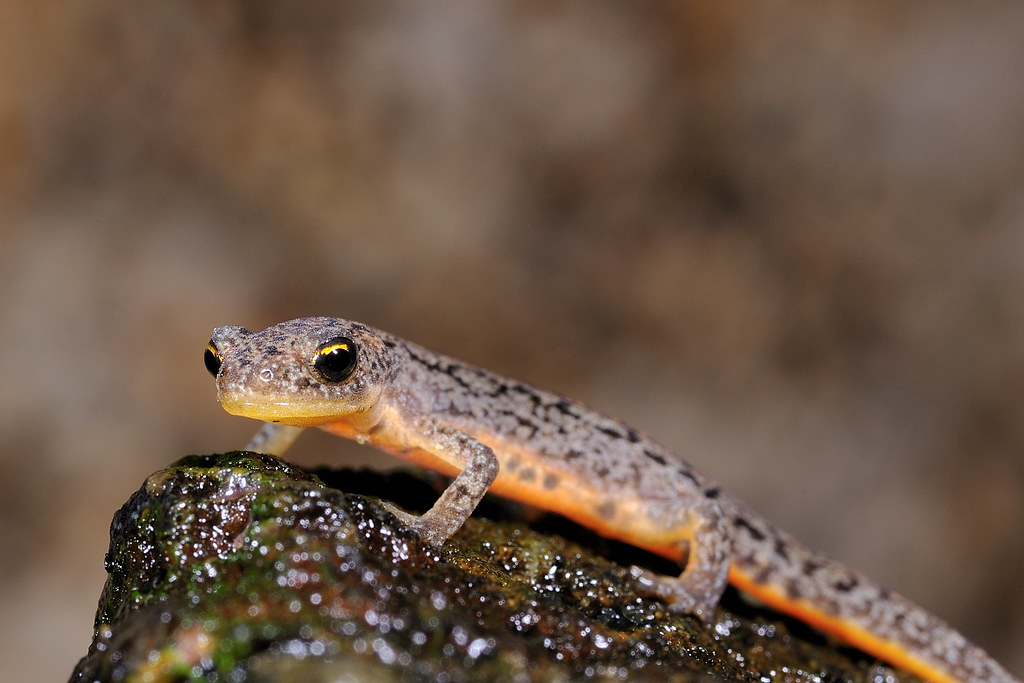
The iberian newt, a charming creature, possesses unique and fascinating physical characteristics. Its body is slender, covered with smooth, moist skin that varies in shades of green, brown, and yellow. These colors aid in camouflage in its natural habitat, allowing the newt to blend in with the surrounding vegetation. Its large, bright-eyed irises are adaptations that provide sharp vision, especially in low-light conditions.
Breeding during spring, the iberian newt develops intriguing mating rituals. Males attract females with soft vocalizations and displays of vibrant colors on their skin. After mating, females lay eggs on small algae or leaves of aquatic plants. These whitish-colored eggs are protected until hatching, which occurs within a period of 10 to 14 days.
The life cycle of the iberian newt is fascinating, going through various phases. Initially, larvae emerge from the eggs, living in aquatic environments, where they feed on small insects and algae. Over time, these larvae undergo metamorphosis, acquiring limbs and losing the tail that characterizes them in youth. The transformation culminates in the adult phase, when they venture onto land, eventually returning to the water to reproduce again.
Its life cycle, filled with changes, is an ode to the adaptation and resilience of this charming species. For more information about fascinating beings in nature, see tardigrades, equally intriguing creatures that share this world.
Habitat and Distribution
The iberian newt, a small resident of the Iberian Peninsula, finds its home in moist and cool environments. These creatures prefer to live in forests, ponds, and streams. In the heart of this vibrant habitat, life flourishes in delicate harmony. The vegetation is rich and dense, composed of trees like oaks and chestnuts, where shade forms a natural shelter.
Aquatic vegetation, including water lilies and reeds, creates a perfect ecosystem. These living beings not only beautify the environment but also provide protection against predators. In ponds, the iberian newt swims among the plants, finding holes in the mud. This behavior builds its refuge, where it hides from natural enemies like birds and snakes.
The fauna that shares this environment is as varied as the flora. Flying insects, amphibians, and small mammals coexist with the newt. The presence of these smaller organisms is crucial. They serve as food and help maintain the health of the ecosystem. For example, dragonflies and mosquitoes attract the attention of the newt, while small fish and frogs approach the ponds.
This habitat is also a breeding ground. During spring, females lay their eggs in calm waters. This life cycle is intertwined with environmental conditions, where clean water and fresh air are crucial. Understanding this relationship is essential, as each element of the iberian newt‘s habitat sustains not only its life but also the richness of biodiversity found in the Iberian Peninsula. For a deeper analysis of adaptations in other animals, you can access this article on adaptations in the animal kingdom.
Adaptations and Environmental Resilience
The iberian newt, with its fragile beauty, possesses remarkable adaptations that enable it to withstand environmental changes. Its skin is thin but extremely efficient. It secretes substances that help filter pollutants, minimizing the impact of water pollution. This ability makes the newt a survivor in the Iberian Peninsula, where many habitats are threatened.
Moreover, iberian newts develop adaptive behavior in response to rising temperatures. During periods of extreme heat, they take refuge in cool areas, such as holes in the ground or under dense vegetation. This behavior is crucial to avoid dehydration.
Another interesting characteristic is the ability to hibernate. In adverse conditions, such as drought, these creatures can enter a lethargic state. This hibernation protects them until more favorable, wetter, and cooler conditions return. The life cycle of the iberian newt shows how its aquatic and terrestrial development prepares it to survive in diverse environments.
The iberian newt also stands out for its diverse diet. Its diet includes small insects, larvae, and crustaceans, allowing it to adapt to dietary variations in nature. The resilience of this animal is a reflection of its evolution in a constantly changing ecosystem. Therefore, preserving its habitat is essential to ensure that this species continues to thrive.
To learn more about the relationship between habitats and wildlife, see this article.
Feeding and Ecological Role
The iberian newt, a fascinating inhabitant of the aquatic areas of the Iberian Peninsula, plays a vital role in the web of life surrounding it. Its diet varies according to the life stage. Adults are predominantly insectivorous, devouring insects, mollusks, and small crustaceans. Tadpoles, on the other hand, are herbivorous in their early stages, feeding on algae before becoming carnivorous. This transition in diet indicates an adaptive strategy that maximizes their survival and growth in different environments.
These newts are agile and efficient predators. They maintain the population balance of aquatic invertebrates by feeding on these species. In doing so, they directly contribute to the health of the ecosystems they inhabit. Furthermore, the iberian newt serves as prey for various higher species, including aquatic birds and mammals. This position in the food chain underscores the importance of newts as a fundamental part of the local ecosystem.
The presence of this amphibian can be an indicator of the environmental health of its habitats. Being sensitive to pollution and changes in their ecosystems, they function as bioindicators. Therefore, preserving the iberian newt is vital not only for its own survival but also for the continuity of a broader ecological balance. Thus, understanding the ecology of the iberian newt and promoting its protection becomes essential. To learn more about the impact of aquatic creatures on nature, see this article about the fascinating waterbird of Brazil.
Conservation and Threats
The iberian newt, despite its charming appearance and intriguing behavior, faces significant threats to its survival. Habitat loss is one of the greatest concerns. Urban development and intensive agriculture are destroying the marshes and swamps where these small amphibians thrive. Additionally, water pollution, resulting from agricultural chemicals and industrial waste, contaminates the aquatic environments in which newts live. This harms water quality and directly affects the health of these delicate creatures.
Another harmful factor is the introduction of exotic species. Predators like non-native fish can drastically reduce newt populations by competing for food and, in some cases, directly attacking them. Ongoing climate changes also contribute to environmental instability, affecting water temperatures and the breeding cycles of newts.
Fortunately, conservation initiatives are underway. Habitat restoration projects have been implemented, aiming to recover degraded marsh areas. Moreover, the creation of protected zones is vital to ensure that these habitats remain untouched by human threats. Environmental organizations also conduct campaigns to raise awareness about the importance of these amphibians in our ecosystem.
Collaboration between local communities and biologists is essential to monitor newt populations and promote sustainable practices. This union of efforts for conservation can provide a safer future for the iberian newt, allowing it to continue to enchant those who have the privilege of witnessing its beauty in its natural habitat. To learn more about the importance of protected habitats, see more on ecological habitats.
Conclusions…
The iberian newt, with its resilience and adaptation, stands out as a symbol of Iberian biodiversity. Protecting these small amphibians is crucial for the preservation of the ecosystem in which they inhabit. Understanding their needs and unique characteristics is fundamental for their conservation.
Did you know?
What is a newt?
The newt is an amphibian of the family Urodela, similar to a salamander, known for its ability to live both in water and on land.
How long does a newt live?
A newt can live 10 to 15 years under suitable conditions, although some individuals may reach up to 20 years.
Where does the newt live?
The iberian newt predominantly lives in forests, mountainous regions, and areas with freshwater, such as ponds and rivers in the Iberian Peninsula.
What does a newt eat?
Newts feed on aquatic insects, larvae, small crustaceans, and occasionally aquatic plants.
Are there newts in Brazil?
No, the iberian newt is exclusive to the Iberian Peninsula and is not found in Brazilian fauna.
What is the difference between a newt and a salamander?
The main difference is that the newt has a longer tail and evident aquatic characteristics, while salamanders generally have sturdier bodies and are not adapted to aquatic environments.
What is the power of the newt?
The newt has the ability to regenerate parts of its body, such as limbs, tail, and even organs, making it a fascinating subject of study in biomedical research.
What is the rarest salamander?
The rarest salamander is the Fire Salamander, found in restricted areas threatened by habitat loss.
What is the color of the newt’s tail?
The tail of the iberian newt is usually green or brown, with variable patterns that aid in camouflage.