Parrot Snake: The Tree Snake of Brazil
The parrot snake, a splendid example of South American biodiversity, is often found in dense forests. Its vibrant appearance and diurnal behavior make it a wonder for nature observers. In this article, we will explore its characteristics, habitats, diet, and much more.
The Origin of the Parrot Snake
The parrot snake, this majestic tree snake of Brazil, has a fascinating origin in the context of South American biodiversity. Evolving amidst dense and lush forests, it is a remarkable example of adaptation. It is believed that its roots date back thousands of years, when snake species began to diversify to occupy different ecological niches. Parrot snakes have developed a slender and agile body, ideal for arboreal life. Their ability to move deftly among branches allows them to evade predators and hunt prey effectively. Favorite prey, such as birds and small mammals, have become a fundamental part of their diet, favoring the evolution of powerful muscles and jaws adapted to capture these agile creatures.
The vibrant color that characterizes this snake is more than a visual delight; it is an excellent camouflage strategy. In the treetops, its bright coloration blends with the foliage, providing protection against predators. This tactic is vital in an environment where competition for resources is fierce. The habitat of the parrot snake, with its warm and humid microclimate, has allowed for unique evolutionary development. Over time, these snakes have become better climbers, with claws that aid in grip and movement. Additionally, their communication and social behavior are aspects that still spark interest in research. It is a symbol of adaptation, a testament to evolution within the complex ecosystems of Brazil.
To better understand the interactions between animals and their habitats, you can check out this article on the fascinating birds of Brazil’s waters, which complements the panorama of nature.
Physical Characteristics
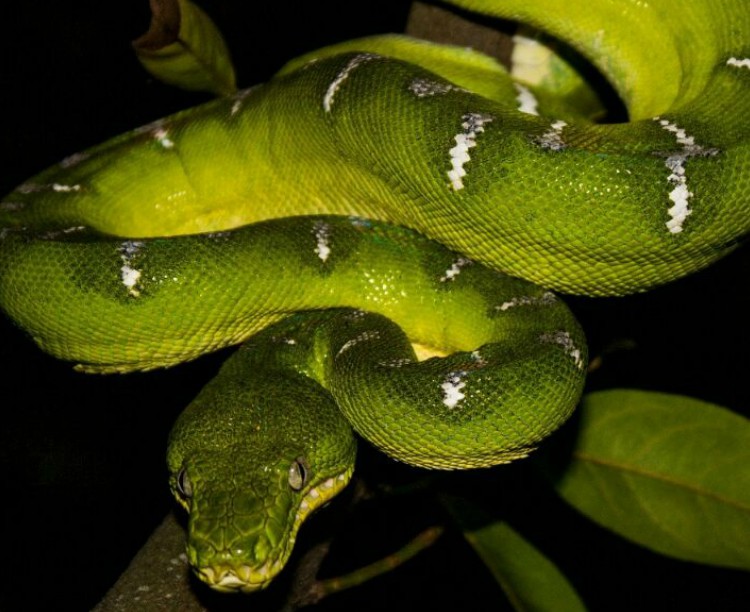
The parrot snake, emblematic of the exuberance of Brazilian fauna, displays a vibrant coloration that is a delight to the eyes. The scales of this snake vary in shades of green, yellow, and blue, creating remarkable camouflage in the treetops. This coloration not only enchants but also plays a crucial role in the species’ survival. By camouflaging among the leaves, the parrot snake avoids predators and increases its chances of hunting unsuspecting prey.
Its slender and agile body is adapted for arboreal life. Parrot snakes possess a long, prehensile tail that serves as a balancing tool while navigating branches. This structure allows the snake to maintain stability in its natural habitat as it skillfully moves among the limbs. The scales have a smooth texture and are arranged in a way that facilitates agile movement through vegetation.
The heads of parrot snakes have a distinct shape proportional to their bodies. Their eyes are large and proportionate, providing sharp vision of the environment. This characteristic is vital for detecting the approach of predators, as well as locating prey. The natural prey of the parrot snake includes small mammals and birds. When approaching its victim, the snake uses its coloration and camouflage skills to conceal itself.
Understanding the physical characteristics of the parrot snake is fundamental to appreciating its adaptations. For a more comprehensive exploration of how camouflage is an effective strategy in nature, read about other animals that use this fascinating tactic, including spiders that also adopt camouflage in their habitats.
Habits and Behavior
The parrot snake, a fascinating inhabitant of Brazilian forests, spends its days in a silent dance among the leaves and branches. This reptile, adapted to the arboreal environment, exhibits behavior that perfectly aligns with the needs of its life in the treetops. During the day, when sunlight filters through the canopy, this snake becomes active, using its camouflage to blend into the environment. Its vibrant colors often resemble foliage, providing effective protection against predators.
In search of a safe space, the parrot snake often builds itself in strategic locations. The choice of its position is fundamental. It uses its agile body to balance on thin branches, creating an ideal platform for observation and hunting. Its way of moving is almost like a choreography, where each movement is carefully calculated. This skill facilitates the search for prey and evasion of threats.
During the day, the parrot snake also practices thermoregulation. When the heat becomes intense, it seeks shaded areas, allowing its body temperature to remain balanced. This adaptation is crucial for its survival. In calmer hours, it can be seen gliding through the leaves or resting in strategic locations. The behavior of the parrot snake is not just about hunting and fleeing, but also about interaction with the environment.
To better understand the complexity of the behavior of other species in the same habitat, you can explore the fascinating bird of Brazil’s waters.
Feeding and Sustenance
In the dense rainforest, the parrot snake stands out for its varied diet and sophisticated hunting strategies. This arboreal predator, with its slender body and perfect camouflage, is an exceptional hunter. The vibrant appearance of this snake is not just a visual charm, but plays a vital role in its survival.
The parrot snake primarily feeds on birds, which constitute a significant part of its diet. This preference for birds can be attributed to its exceptional climbing and hiding abilities among the branches. Prey is usually caught mid-flight, in a spectacle that reflects the agility and precision of this snake. Among the most common birds consumed are small, brightly colored birds that often fly among the treetops. To capture them, the parrot snake uses a combination of subtle movements and patience. It is common for it to remain motionless, lying in wait until a target comes close enough.
In addition to birds, the parrot snake also feeds on lizards and small mammals, broadening its dietary options. These hunting moments reveal the remarkable skill of this snake, which uses its camouflage to blend into the environment. When the right moment arrives, it lunges at its prey with incredible speed, using its constriction ability to capture it without letting it escape.
This adaptability in diet is an essential factor for the survival of the parrot snake, allowing it to thrive in a diverse environment like the Brazilian rainforest. For more information on fascinating wildlife, see this article on aquatic birds.
Conservation and Threats
The parrot snake, with its stunning beauty, is a true jewel of Brazilian biodiversity. However, this arboreal snake faces significant challenges that threaten its survival. The destruction of its habitat, due to deforestation and agricultural expansion, is one of the greatest threats. By cutting down tropical forests, we are not only eliminating the home of this reptile but also compromising the ecological balance of the entire region.
In addition to habitat loss, parrot snakes are often victims of hunters and wildlife traffickers. Their vibrant skin attracts collectors and curious individuals, who are often unaware of the impact of this action. This practice not only reduces the snake population but also destabilizes the local ecosystem.
The conservation of the parrot snake is crucial for the preservation of biodiversity. The presence of this species is an indicator of the health of forest environments, as it plays an important role in the food chain. They control the population of small prey, contributing to a balanced ecosystem. To address these threats, environmental protection initiatives are urgent. Strengthening conservation laws and creating protected areas are essential.
Environmental education also plays a fundamental role. Promoting awareness about the importance of the parrot snake and its habitats can help change attitudes and behaviors. Thus, we can ensure a safer future for this species and the incredible diversity that inhabits Brazilian forests. To learn more about biodiversity, you can read about the **biguatinga**, a fascinating bird of Brazil’s waters.
Conclusions…
In summary, the parrot snake is a fascinating snake with unique characteristics that set it apart in the rich South American fauna. Its adaptation to the arboreal environment and its diurnal behavior are aspects that make it special. Learning more about this species is essential for the conservation of biodiversity.
Did you know?
Where is the parrot snake found?
The parrot snake is primarily found in the tropical forests of South America, including countries like Brazil, Peru, and Colombia.
Is the parrot snake venomous?
No, the parrot snake is a non-venomous snake, making it harmless to humans and larger animals.
What is the diet of the parrot snake?
The diet of the parrot snake primarily consists of small vertebrates, such as amphibians and small mammals, which it skillfully captures through ambush.
What is the preferred habitat of the parrot snake?
The parrot snake prefers dense forest areas, where it can camouflage in trees and shrubs, taking advantage of its arboreal habitat.
What is the behavior of the parrot snake?
The parrot snake is diurnal and is often seen moving among the branches of trees, using its agility to feed and hide from predators.