Red-Headed Woodpecker
The red-headed woodpecker is a fascinating bird, known for its vibrant plumage and unique behavioral habits. In this article, we will explore the most important aspects of this magnificent creature, from its morphology and habitat to its role in the ecosystem.
Physical Characteristics
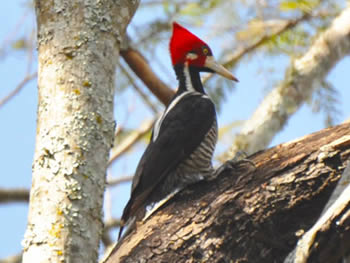
The red-headed woodpecker is a striking bird whose appearance stands out in dense forests. Its plumage is a symphony of vibrant colors. The head is adorned with an intense red, which contrasts magnificently with its predominantly black body. The wings display a remarkable pattern of white and black, serving both for camouflage and display during mating.
This bird reaches a length of about 22 to 25 centimeters. Its compact size is ideal for moving quickly among tree trunks. The legs are robust, with sharp claws adapted for climbing vertical surfaces. The long, strong beak is a perfect tool for drilling into wood in search of insects.
The juvenile plumage exhibits a somewhat different pattern. Young woodpeckers have a less vibrant head, with more muted tones. Over time, as they mature, the colors become more vivid, reflecting the health and vitality of the bird. This change in color is a clear example of evolutionary adaptation, allowing red-headed woodpeckers to blend into their environment.
In addition to their lush plumage, these birds have highly adaptable behavior. During foraging activities, they demonstrate an incredible ability to scan the environment and locate wood infested with larvae. The plumage is not just decorative; it also plays a crucial role in the species’ survival. To explore more about the relationship between physical characteristics and survival in nature, check out this article on fascinating birds.
Habitat and Distribution
The red-headed woodpecker is a captivating bird that finds its home in various habitats. This bird prefers mixed forests and urban areas, where the presence of large trees is essential. Their environmental requirements go beyond vegetation; they also need adequate space for foraging and establishing their territory.
The geographical distribution of the red-headed woodpecker is broad. They are primarily found in North America, including Canada and the United States, where they adapt well to varied environments. The species also extends southward, covering parts of Mexico, where they can be spotted in deciduous forests and open areas. In urban environments, their presence is notable in parks and gardens, where they find food and shelter.
The red-headed woodpecker is a highly versatile bird. Its ability to establish itself in urban areas demonstrates its adaptability and resilience. However, the degradation of forest habitats can impact their populations. This exemplifies the importance of forest conservation, which is crucial not only for this species but for the entire local biodiversity.
In addition to traditional habitats, these birds also benefit from regenerating areas, where new vegetation can provide food and shelter. A study on birds in tropical forests could provide more information on how habitat changes influence their populations. For more information on bird species, you can visit and discover the fascinating water birds of Brazil.
Feeding and Behavior
The red-headed woodpecker, with its vibrant red crown, exhibits fascinating feeding behaviors. During foraging, this bird is a master at seeking out insects and larvae hidden beneath the bark of trees. Using its robust beak, the woodpecker makes a series of rhythmic taps, creating holes in the wood. This method is effective for accessing the food hidden inside the tree. In addition to its beak, these birds possess a long, sticky tongue, which is ideal for extracting insects from narrow crevices.
In areas where food is scarce, the red-headed woodpecker adapts its tactics. For example, it may feed on seeds and fruits, especially in winter. This opportunistic behavior demonstrates how the species adjusts to seasonal changes and food availability.
Woodpeckers are also social creatures. They can be seen in groups while feeding, especially outside the breeding season. These social interactions can help in locating food and protecting against predators. Additionally, during mating season, males become more territorial. They mark their territory with characteristic calls and drumming against trunks. This display not only wards off competitors but also attracts mates.
The determination and ingenuity of the red-headed woodpecker in its feeding habits reflect a remarkable adaptation to its environment. To learn more about the fascinating lives of birds, you can visit this link.
Reproduction and Life Cycle
The red-headed woodpecker, with its dramatic plumage, has a fascinating reproductive cycle. The mating season begins in spring when males initiate a stunning dance. They perform a spectacle, making rhythmic taps on trees, calling to females. Once partners are chosen, nest construction begins. Woodpeckers excavate cavities in trees, carefully selecting safe and high locations. The nests are made in decaying wood trunks, which provide an ideal environment for the chicks.
After the nest is built, the female lays between four to six eggs. The eggs are bright white and are incubated for about two weeks. During this period, the male takes on the responsibility of feeding the female. Once the chicks are born, both parents become dedicated caregivers. They constantly bring food, offering larvae, insects, and fruits, essential for the chicks’ growth.
The chicks remain in the nest for approximately four weeks. During this time, they rapidly develop their feathers and motor skills. Parental planning is not just about feeding but also about protection. The parents maintain constant vigilance against predators.
When the chicks are ready to leave the nest, a new phase begins. They venture outside but continue to be cared for by their parents for a while. This delicate balance of reproduction and care is essential for the species’ survival. To understand more about the fascinating world of nature, explore this topic on birds.
Ecological Importance
The red-headed woodpecker plays a crucial role in its ecosystem, acting as a balancing agent. By drilling into the bark of trees in search of insects, it helps control pest populations. This behavior not only sustains its diet but also ensures the health of the trees it feeds on.
In addition to serving as a pest controller, the red-headed woodpecker also contributes to the formation of holes in trees that other animals use as shelter. Many species, such as bats and small mammals, benefit from these shelters. Thus, its actions transform trees into microhabitat ecosystems that promote biodiversity.
The interaction with other species goes beyond competition for food. During its search for insects, the woodpecker also accidentally pollinates some plants, although this is not its primary role. The presence of this bird in an environment is often associated with a higher number of other bird species that share the habitat and feed on insects that would otherwise be controlled solely by the woodpecker.
Moreover, the foraging activity of the red-headed woodpecker has a direct impact on the decomposition of dead wood. By opening holes in rotten wood, it accelerates the decomposition process, releasing essential nutrients into the soil. This promotes a nutrient cycle that sustains a wide variety of plants and organisms. Thus, the woodpecker not only feeds on what is available but also contributes to the health of the ecosystem.
To learn more about how interactions between species are essential for the ecosystem, check out this article on bats, which share the same role in the environment.
Conclusions…
The red-headed woodpecker is a bird whose beauty and role in the ecosystem cannot be underestimated. Its importance in nature invites us to reflect on the preservation of habitats and the value of birds in our world.
Did you know?
What is the habitat of the red-headed woodpecker?
These birds prefer dense forests and areas of rich vegetation, where they can find trees to excavate and search for food.
How does the red-headed woodpecker feed?
Its diet mainly consists of insects, larvae, and occasionally seeds. It uses its strong beak to excavate trunks in search of food.
How does the red-headed woodpecker communicate?
This bird communicates through a variety of sounds, including drumming and distinctive vocalizations that mark its territory.
What is the importance of the red-headed woodpecker in the ecosystem?
These birds help in the decomposition of dead trees and seed dispersal, contributing to the health of the ecosystem.
How can I observe red-headed woodpeckers in nature?
Visit forests and parks with dense vegetation, especially in the morning or late afternoon when they are most active.