The House Sparrow: A Symbol of Urban Life
The house sparrow, a small brown and gray bird, is an omnipresent presence in urban and rural environments. In this article, we will explore the biology, behavior, ecological importance, and interactions of house sparrows with humans. This will help us better understand how this species adapts to our modern world.
A Portrait of the House Sparrow
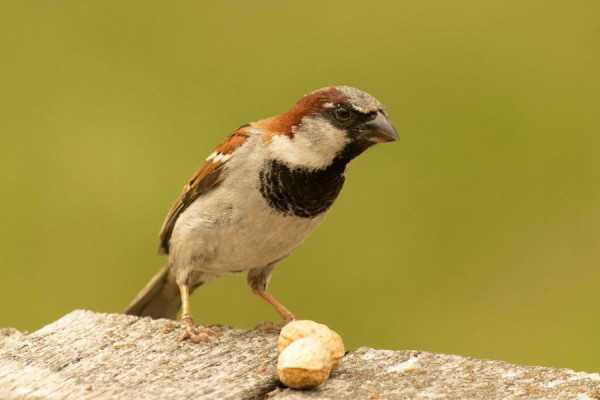
The house sparrow, an icon of cities, has distinct physical characteristics. Its body is small and robust, ideal for urban life. The plumage is a mix of browns, grays, and a bit of white, providing effective camouflage among urban structures. Males have a more vibrant color, with a black throat patch and a touch of reddish-brown on the nape. Females, in turn, adopt a softer tone, predominantly in shades of brown and beige.
This small bird finds its home in a variety of environments. Commonly, it nests in building eaves, shrubs, and trees. Its adaptability allows it to thrive in urban and suburban areas. The house sparrow is also found in squares, parks, and gardens, always in search of food. Its diet varies, encompassing seeds, grains, insects, and even human food scraps.
In urban settings, the sparrow stands out especially against the gray of buildings. Its quick movements and typical chirps bring life to any environment. In open fields, they blend in with the vegetation, becoming less visible. A sparrow in a natural setting, surrounded by wildflowers, may blend in a bit more, but it is still easy to notice its restless presence.
As we contemplate the beauty and functionality of the house sparrow, it is fascinating to observe how this small bird adapts, filling urban and natural environments with its charm. For more on the wildlife that coexists in cities, check out this article about the toucan.
Behavior and Socialization
House sparrows, with their grayish plumage and cheerful songs, are social creatures intrinsically linked to their peers. They organize into flocks, a behavior that offers safety and facilitates the search for food. When we spot a flock of sparrows, they are likely feeding or socializing in open areas like parks and squares. Living in groups reduces the risk of predators, as it is more difficult for a predator to approach many individuals at once. Moreover, the alarm call emitted by one of the members is a quick signal for all to alert.
These birds are known for their lively vocalizations, often communicating through chirps and calls. This is essential for maintaining group cohesion, allowing them to stay united during foraging. The social hierarchy within flocks is also notable. Males often compete among themselves, displaying behaviors to establish dominance. When it comes to feeding, sparrows are adaptable. They feed on seeds, insects, and even leftovers left by humans. This ability to forage from various sources is crucial for their survival in urban environments. Additionally, they often take advantage of human presence, being seen in outdoor restaurants or near food sources.
The collaboration among sparrows enriches their foraging experiences, allowing them to share information about safe and abundant food locations. Thus, in the dance of urban life, house sparrows stand out as true maestros, orchestrating their interactions in harmony with their surroundings. To learn more about the life of another fascinating bird and its interactions, check out the toucan, which also exhibits intriguing social behaviors.
Adaptations to Urban Life
The house sparrow, a bird so familiar in our cities, is a true example of adaptation. This small bird, with its cheerful song and abundant presence, has found ways to thrive in urban environments. Urban areas offer resources that these birds exploit, such as food and shelter. In parks, squares, and gardens, sparrows feed on crumbs and seeds left by people. They are also agile, adapting their foraging techniques to catch moving insects.
The habitat preferences of house sparrows include proximity to biotopes that offer shelter, such as trees and shrubs. They build their nests in small holes and crevices, often in buildings and human structures. This ability to use the built environment is one of their great advantages. Furthermore, they show versatility in exploring new locations, from rooftops to balconies.
However, urban life presents challenges. Predators, such as domestic cats and hawks, increase mortality among young sparrows. Additionally, pollution and environmental degradation impact their habitats. Competition for resources has also become intense, given the large number of sparrows in some areas. Even so, they maintain a resilient presence in cities, continuously adapting to changes around them. Observing the survival of the house sparrow reminds us of wildlife’s ability to adjust to a changing world. For more information on the interaction between fauna and humans, check out this article about the jumping spider.
Ecological Importance
The presence of the house sparrow in the ecosystem is remarkably crucial. These birds are not only the architects of their homes but also play a significant role in soil fertility. By collecting mud and building their nests, the house sparrow mixes different layers of soil. This results in a more aerated and nutrient-rich structure, favoring various plant species that depend on healthy soil to thrive. Additionally, their nests can provide shelter for various small creatures. Insects, spiders, and even small mammals can find refuge in the intricate constructions, highlighting ecological interdependence. Birds that consume insects benefit from the diversity promoted by the house sparrow’s nests. There is also a notable interaction with local fauna. Natural predators, such as snakes and birds of prey, see the nests as a food source. Thus, the house sparrow, through its construction, becomes a fundamental part of the food chain. Each nest is a small masterpiece of engineering that simultaneously contributes to biodiversity. The removal of nests could negatively impact the richness of life in the areas they inhabit. Therefore, the conservation of the house sparrow is vital not only for the species but for the ecological balance as a whole. For more information on interactions occurring in nature, visit the blog about bats, where other ecological interactions are discussed.
Interaction with Humans
The house sparrow, a bird with remarkable adaptation to cities, has developed an intriguing symbiosis with humans. In many urban centers, sparrows have become part of people’s daily lives, providing a touch of life to the landscape. These birds find shelter on rooftops, in parks, and squares. They often feed on crumbs that fall during meals. Thus, they live in a world of constant interactions with those who inhabit the cities. Cultural perceptions of the sparrow vary. In some traditions, it symbolizes freedom and resilience. For many citizens, it is a sign of the health of the urban environment. The presence of sparrows suggests an active and balanced ecosystem. This bird has become one of the icons of urban life.
House sparrows also play a crucial role in the well-being of cities. They help control insect populations, acting as allies in the fight against pests. Their ability to adapt to changes in the urban environment is admirable. Communication between sparrows and humans is often intense. The cheerful song of sparrows can be a reassuring reminder of nature. Their calls blend with the hum of the city, creating a familiar soundscape. Such interactions not only enrich people’s connection with nature but also offer emotional well-being. In cities like São Paulo, sparrows become beloved figures worthy of attention. People often take time to observe and appreciate them. To understand more about how these charming birds fit into urban structures, check out this link.
Conclusions…
The house sparrow, with its adaptability and resilience, is a testament to nature’s ability to thrive in human-altered environments. Its presence not only enriches our urban spaces but also plays a vital role in local ecosystems. By understanding its importance, we can value and protect this charming bird.
Did you know?
What is the origin of the house sparrow? The house sparrow, native to Europe and Asia, has been introduced to various parts of the world, including North America, where it quickly adapted to different environments.
How do house sparrows adapt to cities? They adapt to the urban environment by foraging for food scraps, nesting in buildings, and forming large flocks, which provide protection against predators.
What is the diet of the house sparrow? The diet of the house sparrow is varied, including seeds, fruits, and insects, allowing its survival in diverse urban environments.
Are house sparrows migratory? They are not considered migratory; instead, they tend to remain in areas where they find adequate resources year-round.
What is the environmental impact of the house sparrow? Although they may be seen as an invasive species in some areas, house sparrows play an important role in pollination and seed dispersal.