The Fascinating World of Crickets
Crickets, nocturnal insects known for their melodious chirping, play a profound role in their ecosystem. Let’s explore their characteristics, behaviors, and the importance they hold in nature.
Characteristics of Crickets
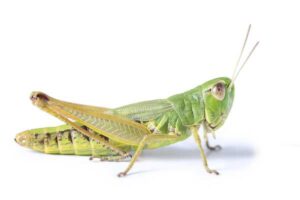
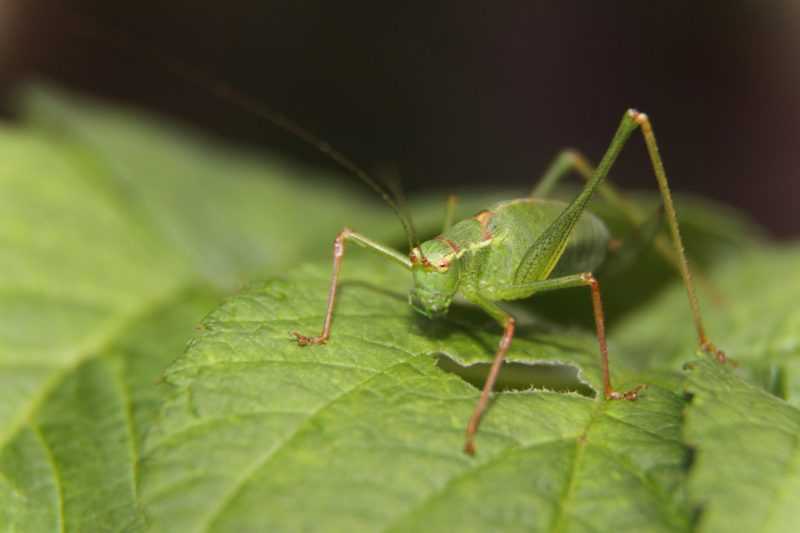
Crickets are among the most fascinating insects in our ecosystem. Their morphology is impressive and highly adapted to survival needs. With a robust body structure, they exhibit a combination of physical traits that give them advantages in different environments. The body of crickets is divided into three parts: head, thorax, and abdomen. Their compound eyes provide a wide field of vision, essential for detecting both predators and potential prey. Long antennae play a vital role in perceiving the environment, allowing crickets to sense changes in the air and navigate efficiently.
The legs of crickets are one of their main adaptive features. Their strong, long hind legs are designed for impressive jumps, enabling these insects to escape threats quickly. The ability to leap to safety is crucial for survival. Additionally, these legs are used for digging and creating burrows, where crickets shelter during the day.
The coloration of crickets, which varies among shades of green, brown, and gray, acts as a camouflage mechanism. This adaptation helps them blend into their environment, protecting them from predators. The ability to produce sounds, known as chirping, is also a striking feature, attracting mates and warding off competitors. Thus, the physical and morphological characteristics of crickets are true testaments to the ingenuity of evolution, providing not only survival but also adaptability in a world full of challenges. To understand more about the complexity of these beings, one can read about the jumping spider, which also exhibits fascinating traits for its survival.
Nocturnal Behavior
As daylight fades, a magical transformation occurs. Crickets emerge from the shadows and begin their nocturnal activities. This fascinating behavior is an essential adaptation, allowing them to avoid predators and take advantage of the abundance of food available at night. When the moon shines, the chirping of crickets resonates in the quiet forests and fields. It is a symphony of life. Each note, each trill, tells a story of courtship, territoriality, and communication. Males use their chirping to attract females, creating melodies that vary in intensity and duration. The chirping also serves as a warning to other males, establishing clear territorial boundaries in a world filled with competitors.
As the night progresses, the search for food intensifies. Crickets are omnivorous. They feed on leaves, flowers, fruits, and even small insects. Their sharp senses guide them in the dim light, where they can sniff out the presence of succulent vegetation or smaller prey. The act of feeding is a delicate balance between risks and rewards. Caution is paramount, as many predators are waiting for the opportunity for a feast. While some crickets feed, others remain sheltered in the leaves, alert to their surroundings. They are skilled at detecting vibrations and sounds, increasing their chances of survival in a world full of dangers. This harmony between chirping and foraging forms a charming nocturnal cycle, revealing the resilience and beauty of nature. To learn more about the fascinating lives of nocturnal creatures, you can access Bat: the flying mammal.
Chirping and Communication
Crickets are masters in the art of sound communication. The chirping, produced mainly by males, is essential for attracting females and establishing territory. Using their wings, these small insects create a charming symphony, full of variations. There are different types of chirping: calling, courting, and announcing. The calling chirp is made to attract females seeking a mate. It is characterized by a rhythmic and melodious pattern that can be heard from afar. The courting chirp, in turn, is more elaborate. Here, the male displays, showcasing his strength and vitality. Females are attracted by the sound and intensity, a true acoustic dance in nature. Finally, the announcing chirp informs other males that the territory is already occupied, avoiding unnecessary conflicts.
Besides interactions for mating, chirping also serves as an alert. When a predator approaches, crickets can modify their chirping, emitting short and rapid sounds to warn other individuals. This adaptability in communication is crucial for the survival of the species. The fascinating sound repertoire of crickets reflects not only their diversity but also the complexity of social interactions. Each chirp is a unique signature, an invitation or a warning that resonates through the natural environment. For more on the adaptive abilities of different species in nature, you can check out this article on bats, which also use sounds for communication.
Crickets and Ecosystems
Crickets play a vital role in ecosystems, acting as an important link in the food chain. They are, essentially, herbivores that consume a variety of leaves and plant matter. This foraging act not only provides sustenance to these insects but also results in regulating plant growth, influencing the composition of local vegetation. Crickets are therefore essential for maintaining ecosystem health. In the food hierarchy, crickets serve as food for various predators. Birds, small mammals, and reptiles depend on them as a source of nutrition. This symbiotic relationship is a clear demonstration of how each organism, no matter how small, has its place in the complex web of life. With their presence, crickets help sustain various predator populations, maintaining ecological balance.
Moreover, crickets play a crucial role in the decomposition of organic matter. When they feed on decaying leaves and plant remains, they contribute to nutrient recycling. Crickets break down this matter, making it more accessible to other decomposers, such as fungi and bacteria. This decomposition process is vital for soil fertility, promoting the growth of new plants. Therefore, the presence of crickets in ecosystems is indicative of environmental health. Without these fascinating insects, many ecological systems would be less resilient and productive. Their contribution as herbivores and decomposers makes them an essential component of biodiversity that needs to be protected and preserved. For more information on biodiversity and the importance of insects, see this article.
Crickets in Human Culture
Throughout history, crickets have been fascinating figures in human culture. In literature and folklore, these insects symbolize luck and resilience. In many Asian cultures, hearing the chirping of a cricket is considered a sign of good fortune. On the other hand, in some African traditions, the presence of crickets is seen as a warning about impending changes in climate or harvest. These small beings, with their nocturnal melodies, evoke a sense of nostalgia and connection to nature, often representing the simplicity of rural life. Crickets also take on significant roles in works of art and poetry. In cultural artifacts, such as clothing and ceramics, they symbolize fertility and rebirth. This aspect is reinforced by their reproductive nature, where a single cricket can produce a large brood. In some societies, crickets are part of festivals and celebrations, where their singing is an essential part of the festive atmosphere.
The economic utilization of crickets is equally important. These insects are raised on a large scale for animal feed and, in recent decades, have begun to be explored as a protein source for humans. The growing interest in sustainable diets has brought crickets to the dinner table, especially in regions where animal protein is scarce. Awareness of cricket farming as an efficient and ecological alternative is rising, fascinating consumers and inspiring chefs worldwide.
Conclusions…
Crickets are much more than just singing insects at night. Their presence enriches biodiversity and plays a crucial role in many ecosystems. Valuing these small beings is essential for maintaining the balance of nature.
Did You Know?
What is a cricket?
Crickets are insects belonging to the family Gryllidae. They are known for their female chirping and are recognizable by their elongated appearance and long antennae.
What role do crickets play in the ecosystem?
Crickets play a vital role as primary consumers, helping to decompose organic matter and serving as food for various species.
How do crickets produce sound?
Crickets produce sound through stridulation, rubbing their wings together, creating a characteristic chirp that serves to attract mates and ward off competitors.
Are crickets important to humans?
Yes, crickets are important as bioindicators of environmental health, and some cultures use them as a protein source in their diet.
What is the diet of crickets?
Crickets are omnivorous, feeding on plant matter, leaves, and even other small insects, making them great recyclers in nature.