Flea: The Tiny Blood Parasite
Fleas, invisible under the light of common vision, play a crucial role in various ecosystems. These tiny parasitic creatures have adapted their lives over time, feeding on the blood of mammals and birds. We will explore in depth their biology, life cycle, and the risks they pose to the health of animals and humans.
Characteristics of Fleas
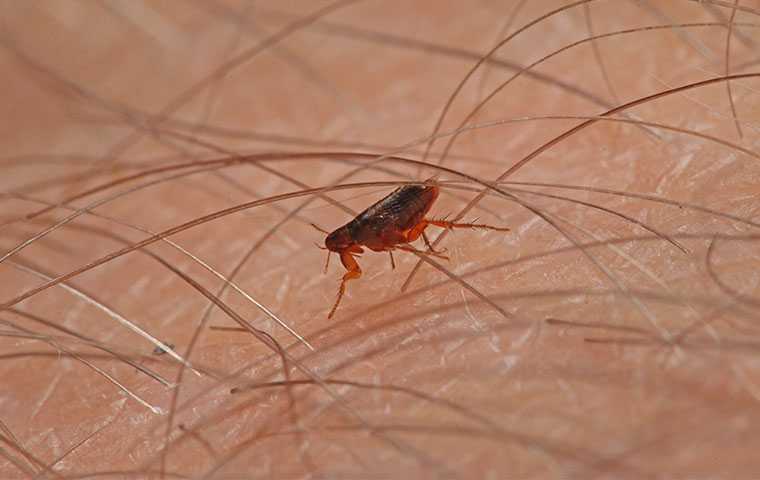
Fleas are vital in nature, despite their diminutive size. With a flattened body and powerful legs, these creatures are specialists in jumping. Their hind legs are longer, allowing them to jump up to 200 times their height. This impressive ability distinguishes them in the animal kingdom, an adaptation that facilitates rapid and efficient locomotion. By feeding on the blood of their hosts, fleas play a crucial role in ecosystems, although they may be considered annoying parasites in everyday human and animal life.
The morphology of fleas is remarkable, with a shell covered in hairs and spines that prevents them from being easily removed. These spines act as hooks, allowing them to anchor themselves in the fur or skin of their hosts. Another relevant aspect is their ability to hide in dark and warm environments, ready for an attack. This camouflage is an effective strategy against predators.
Among the different types of fleas, the most common are dog and cat fleas, but there are about 2,000 known species. Some fleas, like the rat flea, are associated with disease risks, highlighting the importance of knowing and controlling these insects. The life cycle of fleas also reveals their impressive adaptations. Eggs and larvae develop in favorable environments, forming a chain that ensures the survival of the species. A careful examination of these creatures reveals a complexity that surpasses their simple appearance, making them an object of fascination. To learn more about other fascinating insects, visit Jumping Spider: The Smartest Arachnid.
Life Cycle of Fleas
Fleas, small blood parasites, have a fascinating life cycle that encompasses four distinct stages: egg, larva, pupa, and adult. Initially, the adult female feeds on the host’s blood and then begins laying eggs. A single female can lay between 20 to 30 eggs per day, totaling hundreds in her lifetime. These eggs, which are tiny and white, easily fall off the host, spreading throughout the environment where the animal resides.
After about two to five days, the eggs hatch, revealing the larvae. These larvae are small, eyeless, and feed on organic matter, including the feces of adult fleas, which contain blood. The larval stage typically lasts from five to 13 days. During this stage, humidity and temperature are crucial for development. The larvae thrive in warm and humid environments.
Once they reach a certain size, the larva transforms into a pupa. This stage is the most critical, as the flea forms a shell around itself, called a chrysalis. The duration of this stage varies widely, from one week to several months, depending on environmental conditions. Adult fleas only emerge from the pupa when they detect the presence of a potential host through heat or vibrations.
Finally, the adult flea emerges, ready to feed on blood and restart the cycle. In ideal environments, with temperatures between 20 and 30 degrees Celsius, this cycle can be completed in just two to three weeks. Fleas adapt quickly, making them a constant challenge in population control. To learn more about the wonders of the animal kingdom, visit Bat: The Flying Mammal.
Impacts on Animal and Human Health
The tiny parasite, the flea, brings with it a series of impacts on the health of animals and humans. These insects feed on the blood of their hosts, potentially causing significant discomfort and promoting secondary infections. Intense itching leads animals to scratch, increasing the risk of open wounds. These wounds can become infected, resulting in more serious complications.
In addition to direct harm, fleas are also vectors for various diseases. For example, cat scratch fever is transmitted through the bite or scratch of an infected cat, a significant concern for cat owners. The transmission of infectious agents, such as bacteria, can occur in unexpected ways. Thrombocytopenia in dogs, characterized by a decrease in blood platelets, is another highlighted issue. Besides causing anemia, it can have fatal consequences.
The broader effects of flea infestation are not limited to quadrupeds. Humans can also be affected, often through bites that not only cause itching but also allergic reactions in some people. Additionally, fleas can cause worm infestations. The most common vector is the cat flea, responsible for transmitting dipylidiasis, an unpleasant infection caused by a worm.
In this intricate life cycle, fleas not only affect the quality of life of our furry friends but also pose a threat to human health. For a deeper understanding of the interactions between parasites and hosts, check out this article on biodiversity and its importance.
Control and Prevention Methods
Fleas, these tiny parasites, can bring great discomfort to our four-legged friends. To deal with these infestations, various effective practices are available. First, cleaning the environment is essential. Regular vacuuming, especially in areas where animals tend to stay, helps eliminate eggs and larvae. Wash your pet’s bedding and other fabrics frequently. Using hot water is crucial, as it can kill adult fleas and their eggs.
Secondly, chemical methods can be effective. There are many specific products that can be applied in the environment. Insecticides designed for fleas or carpet sprays can help. However, it is important to follow the instructions carefully, especially in homes with children or other animals. This safety is crucial to prevent adverse effects.
Alternatively, natural methods are also viable. For example, using diatomaceous earth can be an ally. This fine powder is safe for animals but deadly for fleas. Spreading it in the affected area and letting it sit for a while can work wonders. Additionally, many owners opt for herbs that repel fleas, such as lavender and rosemary.
Lastly, regular application of preventive treatments for pets is essential. Consulting a veterinarian for an appropriate plan will ensure your companion stays protected. To learn more about some natural and effective solutions, visit our blog. With dedication and care, it is possible to keep your homes and pets flea-free.
The Importance of Fighting Fleas
Fleas, small blood parasites, play a significant role in public and animal health. In urban environments, flea infestations can affect both pets and their owners. These insects cause discomfort, itching, and diseases in dogs and cats, and can even transmit illnesses like the plague. The responsibility of pet owners is vital to prevent infestations. A lack of care can lead to an exponential increase in the flea population, creating a cycle that is difficult to control. When an infested animal enters the home, disaster may already be on the way. Flea eggs can spread throughout the environment, making the infestation a collective problem.
It is not just a matter of animal health but of social well-being. Communities that ignore flea control may face seasonal outbreaks. Especially during warm months, flea reproduction increases, resulting in a growing danger to the population. Preventive measures, such as regular baths and proper treatment, are essential. The periods of flea proliferation may coincide with holidays and seasons when pets are more frequent at family gatherings, increasing the responsibility of owners.
Therefore, by caring for an animal’s health, one also cares for collective health. For a deeper understanding of the interaction between animals and human health, explore the role of bats in urban ecology, elements that demonstrate the importance of each species in the balance of the ecosystem.
Conclusions…
Fleas are more than mere parasites. Understanding their life cycle and the health risks they pose is fundamental. Practical measures can be adopted to minimize their impacts and protect the health of pets and humans. Thus, we are better prepared to face this small threat.
Did you know?
What are fleas?
Fleas are small, wingless insects that feed on the blood of mammals and birds. They are known for causing discomfort and irritation.
How do fleas affect animal health?
Fleas can cause intense itching, anemia, and transmit diseases. Their presence can lead to serious health complications in animals.
What are the signs of a flea infestation?
Signs include excessive scratching, hair loss, redness on the skin, and the presence of small dark spots (flea feces).
How to prevent flea infestations?
Prevention includes maintaining a clean environment, using flea control products, and regular check-ups on pets.
What is the life cycle of fleas?
The life cycle of fleas includes four stages: egg, larva, pupa, and adult. Each stage contributes to their proliferation.