Assassin Bug: The Silent Predator of Nature
The assassin bug is an intriguing insect, famous for its predatory skills. This article explores its hunting methods, unique characteristics, ecological importance, and the dangers it poses to prey and humans.
The World of the Assassin Bug
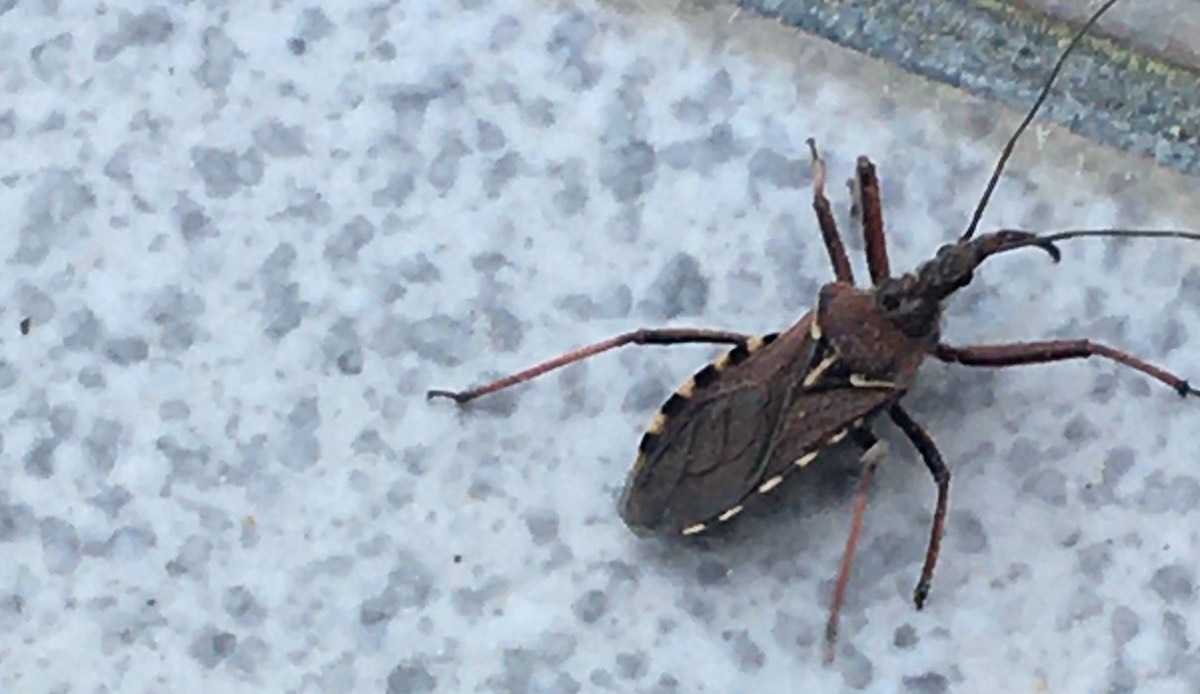
The assassin bug, belonging to the family Reduviidae, is a fascinating predator of nature. With an elongated body and pronounced mandibles, it projects an image of lethal efficiency. Many species display vibrant colors, which may serve as warnings to potential predators.
This insect is found in various habitats, such as tropical forests, savannas, and even urban areas. They prefer locations where they can efficiently camouflage, such as under leaves or on tree trunks. Their adaptations allow them to survive in varied environments, from humid regions to arid areas.
The diversity of species is impressive. There are over 7,000 types of assassin bugs, each adapted to its specific ecosystem. Some variations have elongated appendages that assist in capturing prey. Others have developed resistance to the toxins of their victims, allowing them to feed without risk.
The behavior of assassin bugs is noteworthy. They are solitary and nocturnal, which increases their chances of hunting successfully. During the day, they remain camouflaged, and at night they become active. Their movements are subtle and calculated, reflecting the relentless nature of the predator.
For those wishing to explore more about the incredible diversity of predators in nature, the exotic life of insects is always fascinating, as you can discover in this article.
Hunting and Feeding Tactics
The assassin bug, with its enigmatic appearance and predatory characteristics, is a fascinating example of natural adaptation. This insect, far beyond its frightening appearance, possesses remarkable hunting tactics. It silently infiltrates its environment, using camouflage to blend in with the elements around it. When a prey approaches, it strikes with a swift blow, like a true relentless hunter.
Using its straw-like mouthparts, the assassin bug pierces the skin of its victims. After this infiltration, it releases powerful enzymes that act as a true digestive poison. These enzymes serve to break down the cellular structures of the prey, initiating a fascinating process of external digestion. The prey, helpless, begins to disintegrate while the assassin bug feeds on the released nutrient-rich liquid. It is an impressive spectacle of predatory efficiency.
This process of external digestion is crucial for the survival of the assassin bug. It allows this predator to enjoy a meal without expending energy on chewing. The result is a quick and effective feeding, enabling it to seek new prey while still savoring the previous carnage. Such a strategy is a clear example of the brutality and beauty of nature. Over time, the assassin bug has developed these impressive techniques, making it an effective insect predator and a key player in its ecosystem. To understand more about fascinating predators, check out this article on jumping spiders.
Impact on Biodiversity
The assassin bug, an intriguing being of nature, plays a vital role in the food chain. This creature, with its slender body and distinctive characteristics, is a cunning predator. Hunting in silence, it infiltrates its habitats in search of prey. Smaller insects, such as flies and ants, often become its victims. Thus, assassin bugs help regulate insect populations, contributing to ecological balance.
In the complex tapestry of life, their presence can deter the proliferation of species that, if left unchecked, could harm plants and soil. By keeping insect populations in check, these bugs favor plant health. In a healthy ecosystem, the diversity of vegetation is crucial. Healthy plants, in turn, support various forms of life, including birds, mammals, and other insects.
Moreover, assassin bugs are not just predators but also prey. They attract larger predators, such as birds and reptiles, creating a web of interactions. This complex web demonstrates the interdependence that exists among species. The disappearance of assassin bugs could disrupt this balance, negatively affecting other species. Their interaction with the environment and other creatures creates a cascading effect that resonates throughout the ecosystem. To understand more about the fascinating interconnectedness of life, it is worth exploring the intricate relationships in the web of life. Jumping Spider: The Most Intelligent Arachnid
Interactions with Humans
Assassin bugs are intriguing creatures that often coexist with humans. While they may seem fascinating, their interactions with people are not without risks. The bite of these insects is notable for the intense pain it causes. Famous for being voracious predators, their feeding usually occurs on insects, but when threatened, they may attack humans. The bite results in localized swelling and a burning sensation. In rare cases, it can provoke more severe allergic reactions, requiring medical intervention.
The consequences of assassin bug bites extend beyond immediate discomfort. Pain and swelling can lead to complications, especially in allergic individuals. Public health concerns are valid. Disseminating information about their characteristics and dangers is vital. Education on how to avoid contact is one of the best ways to mitigate risks. Keeping environments clean and free of debris is essential, as assassin bugs are attracted to places that offer shelter and food.
Furthermore, developing knowledge about the habitats of these creatures can help people protect themselves. Preventive measures include wearing protective clothing in areas known for their presence. Pest control strategies can reduce the population of these insects near homes. With understanding and respect for this species, it is possible to coexist while minimizing associated dangers. For additional information about the lives of fascinating insects, you can check out this blog on insects.
Conservation and Ecological Importance
The assassin bug plays a crucial role in ecological balance. This silent predator helps control insect populations, such as fleas. Through this predation, it contributes to the natural management of pests on plants. The presence of these insects is a sign of a healthy ecosystem, full of complex interactions. Environmental changes, such as urbanization and excessive pesticide use, threaten their survival and, consequently, the health of the environment. Conservation of the assassin bug should be a priority. Preserving the natural habitats where these insects reside is fundamental. This includes areas of native vegetation and wetlands. Environmental education initiatives are also necessary, promoting understanding of the importance of these insects for ecological balance. The challenges faced by the assassin bug are numerous. Pollution and habitat degradation can lead to declines in their populations. Additionally, the introduction of exotic species can compete with the assassin bug for resources. Such factors intensify the need for conservation actions. Protecting vulnerable ecosystems and minimizing chemical product use are essential. By protecting the assassin bug, we promote a healthy environment. In summary, the preservation of this silent predator is vital for biodiversity. Conservation involves not only preserving a species but also the health of our ecosystem as a whole. For more information on the complexity of species interactions, refer to this article on jumping spiders, which also play an important role in nature.
Conclusions…
Assassin bugs play a crucial role in controlling insect populations, demonstrating the importance of this predator in ecosystems. Understanding their characteristics and behaviors can help mitigate fears and promote a greater appreciation for these fascinating beings.
Did You Know?
What is the assassin bug?
The assassin bug is a predatory insect known for its hunting techniques, where it injects enzymes into its prey to dissolve and feed on their tissues.
How does the assassin bug capture its prey?
It stealthily approaches its prey and uses its elongated mouthparts to inject venom, which dissolves the tissues, making them easy to consume.
What are the physical characteristics of the assassin bug?
This insect is generally robust, with vibrant colors and a threatening appearance, including claws and a mouth adapted for piercing.
Are assassin bugs dangerous to humans?
Although the bite of the assassin bug can be painful, they are not considered dangerous to humans, but their bites can cause allergic reactions in some people.
What is the ecological importance of the assassin bug?
Assassin bugs help control insect populations, serving as natural predators that balance ecosystems, protect crops, and contribute to biodiversity.