Cecilians: The Enigma of Exotic Amphibians
Cecilians are astonishing and enigmatic amphibians that deserve our attention. With their unique characteristics, they are essential to the ecosystems they inhabit.
Unique Characteristics of Cecilians
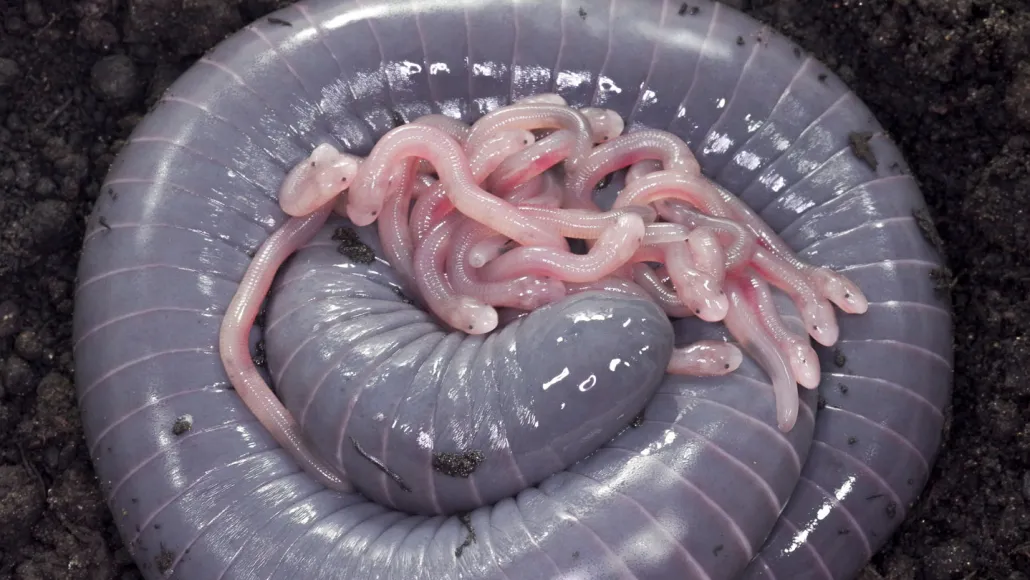
In a profound evolution that challenges the conventions of amphibians, cecilians emerge as creatures of singular and fascinating appearance. With their elongated and serpentine bodies, these subterranean dwellers carve out a distinct space in the animal kingdom, where the absence of limbs and the texture of their skin play crucial roles in their survival.
The Absence of Limbs
Unlike their salamander and frog cousins, cecilians lack limbs, a characteristic that piques the curiosity of biologists and naturalists. Instead of legs, their long, cylindrical forms provide a perfect adaptation for burrowing. This modification is not merely aesthetic but essential for life underground, where efficient movement is vital for foraging and shelter.
Body Structure and Skin
In addition to their lack of limbs, the body structure of cecilians reveals incredible complexity. Their skin, rich in mucus, not only facilitates locomotion through moist soil but also acts as an effective means of cutaneous respiration. This adaptation allows cecilians to absorb oxygen directly from water and soil, highlighting their status as true masters of survival in low-light environments. Thus, it is evident that, even in their physical simplicity, cecilians hold a biological enigma worthy of study. Understanding the uniqueness of cecilians leads us to consider not only their way of life but also the environment they inhabit. In the next chapter, we will explore where these intriguing creatures live and how their habitat influences their survival.
Habitat and Distribution
On the vast and impressive stage of the African savannas, where life intertwines in a delicate balance, we find the remarkable aardvark. These fascinating creatures, with their robust bodies and long snouts, are much more than simple foragers; they are a resplendent testament to Darwinism, adapting to various habitats that range from open savanna to sparse forests.
Natural Habitat
Aardvarks inhabit regions where vegetation is accessible, allowing them to dig in search of insects. They prefer grass-covered lands and shrubs, where they can find colonies of ants and termites, their primary food sources. Thus, the presence of sparse trees not only offers shelter but also serves as an indicator of the types of insects that may be found nearby. Therefore, the quality of their habitat can be a determining factor in their health and reproduction.
Geographic Distribution
The geographic distribution of the aardvark, primarily in southern Africa, is fundamental. This phenomenon is not only a reflection of climate but also of interaction with other animals. Predators like lions and hyenas often cross their paths, and thus, the aardvark’s ability to conceal itself under dense vegetation is vital for its survival. Furthermore, variations in rainfall directly influence food availability. Thus, seasonal fluctuations often determine the locations where these creatures can thrive and interact beneficially with their environment. With this intriguing view of the aardvark’s habitat and distribution, we begin to glimpse its crucial role within the ecosystem, a subject that deserves to be explored in detail next.
Behavior and Reproduction
Imagine a world hidden beneath the soil, where curious creatures move silently in an underground ballet. This is the realm of cecilians, enigmatic and fascinating amphibians that, despite their serpentine appearance, possess complex behaviors that deserve exploration.
Communication and Recognition
Cecilians utilize a unique combination of chemical and tactile signals to communicate. Like artists in a silent performance, they release pheromones that attract partners during the breeding season. This method not only facilitates recognition among individuals of the same species but also aids in territory delineation. Moreover, once cecilians meet, they engage in a courtship ritual that can last several hours. During this time, males and females exchange delicate touches, creating a bond that is essential for successful reproduction.
Environmental Adaptations
Adaptation to the environment is crucial for the survival of cecilians. These amphibians need to remain moist to avoid dehydration and therefore prefer rich, humid soils. They burrow, creating tunnels that provide shelter and safe places for reproduction. Meanwhile, soil temperature and moisture play significant roles in determining reproductive success. When conditions are right, females lay their eggs in elaborate nests, thus protecting their offspring from predators. These behaviors not only ensure the survival of the species but also reveal the incredible ingenuity of nature. Ultimately, it is impossible not to marvel at the complexity of these interaction methods among cecilians. Now, as we move forward, we will uncover the ecological importance of these fascinating beings and their indispensable role in preserving their habitats.
Ecological Importance
In the vast fields of the African savannas, the aardvark is not just a curiosity of nature but an extraordinary ecological engineer. As it glides through the vegetation, its presence transforms the environment it inhabits, creating a complex balance that affects many other species sharing this valuable habitat.
Impact on Insect Populations
First and foremost, the aardvark plays a fundamental role in controlling insect populations. With a diet predominantly composed of ants and termites, one can imagine the impact these animals have in providing a significant ecological service. By feeding on such insects, they prevent their populations from growing unchecked, ensuring that other species can also thrive. It is fascinating to note how, with each ant they consume, aardvarks help maintain soil biodiversity in the savanna.
Interactions with Predators
Moreover, their activities directly influence the dynamics of predators in the region. This robust ungulate, by digging burrows and creating holes in the soil, offers shelter and access to a variety of resources. These locations are often utilized by small mammal and bird species that take advantage of the modified environment. Thus, the aardvark not only provides food but also living space for many creatures that depend on this environment. Therefore, each aardvark becomes a fundamental piece in the web of life, reflecting the interconnected beauty of nature. Understanding the importance of the aardvark invites us to reflect on the fragility of the ecosystem. In the next chapter, we will explore the challenges this species faces and the urgency of conservation to ensure its continuity in the African savannas.
Conservation and Threats
Cecilians, fascinating and mysterious creatures that inhabit tropical forests, are at a critical crossroads. These subterranean beings, whose serpentine forms and smooth skin make them so unique, face a set of threats that could lead some of their species to extinction. Habitat loss is the primary concern; urbanization and intensive agriculture are rapidly eliminating the forests these creatures need to survive.
Threats to Survival
In addition to habitat destruction, agriculture, especially the use of pesticides, profoundly impacts cecilian populations. These chemicals not only kill cecilians directly but also affect their natural prey, creating a cycle of scarcity that can be devastating. Another considerable challenge arises from climate change, which alters the moist environments cecilians require to thrive. With rising temperatures and changing rainfall patterns, many of these species have already begun to shift from their traditional habitats.
Conservation Initiatives
However, we are not defenseless. The conservation of cecilians requires concerted efforts, both locally and globally. Measures such as the creation of natural reserves and sustainable agricultural practices are essential to ensure that these exotic creatures can thrive. Furthermore, educating the public about the importance of cecilians and their role in the ecosystem is vital. Thus, by promoting respect and protection for these creatures, we can move towards a more sustainable future for them and for all inhabitants of the ecosystems that depend on their presence. The link between cecilian conservation and ecosystem health is undeniable. As we reflect on these threats, the focus must now shift to the physical characteristics of the aardvark, an equally enigmatic inhabitant of our planet that also performs essential ecological functions.
Conclusions…
In summary, cecilians are a vital part of biodiversity in tropical ecosystems. Their fusion of mystery and ecological importance teaches us about environmental preservation. Protecting these amphibians is essential to ensure the health of our natural habitats, reaffirming that each species has its role in the web of life. Therefore, by learning about cecilians, we are not only connecting to a fascinating world but also contributing to the protection of nature.
Did You Know?
What are cecilians?
Cecilians are an order of limbless amphibians that primarily inhabit tropical forests.
How do cecilians reproduce?
They typically reproduce through eggs, which are laid in moist environments.
What is the natural habitat of cecilians?
These amphibians prefer moist and dark environments, such as under leaves and in the soil.
Are cecilians poisonous?
No, cecilians are not poisonous and are harmless to humans.
What is the diet of cecilians?
They primarily feed on small invertebrates, such as insects and earthworms.
Where can cecilians be found?
They are found in various parts of the world, especially in South America and Africa.
Why is it important to protect cecilians?
Cecilians play an important role in controlling insects and maintaining soil health.
What threats do cecilians face?
The main threats include habitat destruction, pollution, and climate change.