Carnivorous Butterflies: Myth or Truth?
Although butterflies are generally perceived as garden insects feeding on nectar, some may have surprising eating habits. The phenomenon of carnivorous butterflies makes us question what we really know about these fascinating insects and their adaptation to the environment. Let’s explore this intriguing question.
The Nature of Butterflies: A Surprising Introduction
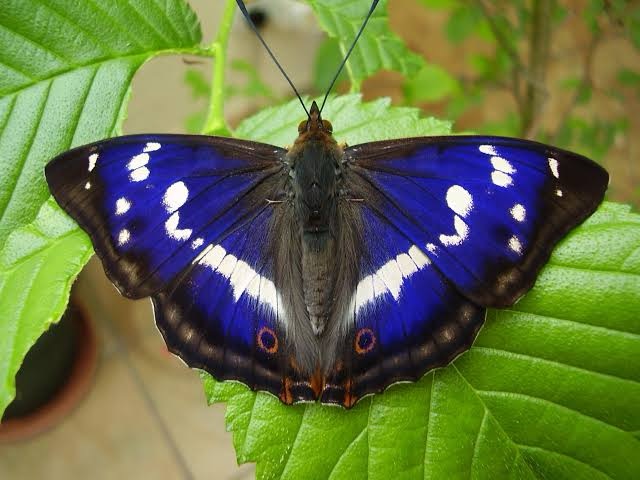
When we think of butterflies, we usually evoke images of delicate creatures floating in blooming gardens. However, behind this subtle charm lies a fascinating and complex biological universe. Butterflies belong to the order Lepidoptera and are known for their vibrant colors and intricate patterns. These characteristics are not just for attracting attention; they play a crucial role in the survival of the species.
Life Cycle and Characteristics
The life cycle of these fascinating creatures goes through four distinct stages: egg, larva, pupa, and adult. Each phase is marked by radical transformations, a process known as metamorphosis. Caterpillars, for example, are voracious consumers of leaves, accumulating energy for the pupal stage. This accumulation is vital, as adult butterflies have a different feeding habit based on nectar.
Feeding and Feeding Behavior
Adults primarily feed on the nectar of flowers, using their long proboscis to access the sweetness that plants offer. Additionally, many butterflies have the ability to absorb nutrients from other elements, such as decaying fruits or even dung. This dietary diversity helps broaden our understanding of what it means to be a butterfly. Furthermore, many species have defense characteristics, such as colors that mimic predators or patterns that confuse. But with the possibility of carnivorous butterflies, we are approaching intriguing territory. How can we reconcile this new perspective with what we already know about their feeding behavior? The conversation, so to speak, will only begin to unfold in our next chapter, where we will explore the myths and truths surrounding the diet of these impressive creatures. Thus, we continue our journey in search of a deeper understanding of the astonishing nature of butterflies.
Myths and Truths: What Do We Know About Butterfly Feeding Behavior?
Let’s imagine, for a moment, a nature fair where butterflies are seen as delicate gourmets of flora. However, this romantic view is not entirely accurate. Many people believe that these ethereal creatures are limited exclusively to seeking nectar from flowers, but the reality is much more complex and fascinating.
The Popular Myths
One of the most common myths about butterflies is that they are strictly vegetarian. Although most of them do indeed feed on nectar, a surprising number of species are, in fact, omnivorous. They can consume substances like decaying fruits, excrement from other animals, and, in some unusual situations, even meat. This behavior, although rare, is far from being an anomaly. In fact, this behavior reveals itself in situations where nectar scarcity limits feeding.
The Scientific Reality
The scientific reality tells us that butterflies have adaptations that allow them to explore different food sources, not only to survive but also to maximize their nutrition. When faced with nectar scarcity, they may resort to alternative food sources, including small insects and even carrion. This leads us to question: are butterflies really just florists, or should they be seen as complex consumers in the ecosystem? By recognizing these nuances, we become more aware of the intricate web of nature. With this, we prepare for the next part of our journey, where we will explore when and why butterflies become carnivorous.
When Meat Becomes Food: Conditions for Carnivorous Behavior
In a realm where the usual delicacy of butterflies is the norm, an extraordinary change can occur. When nectar is no longer an abundant source, some butterflies surprisingly become carnivorous. This remarkable behavior can be seen as an adaptive response to pressing environmental factors, where the struggle for survival transcends the usual categories of feeding.
Nectar Scarcity and the Need to Adapt
One of the main triggers for this behavioral transformation is nectar scarcity. During dry periods or in habitats where flowers are scarce, butterflies, particularly species that normally depend on nectar, begin to explore alternative food sources. They become voracious predators of small insects, such as ants and even small larvae. This behavior is fascinating as it reveals the resilience of life in the face of adversity. The need for essential nutrients leads these colorful creatures into a new life cycle, where every meal counts.
Environmental Factors at Play
Besides food scarcity, other environmental factors also play a crucial role. Extreme temperatures, climate changes, and the amount of pollution in the areas where butterflies inhabit can influence their ability to find nectar. In certain regions, rising temperatures can lead to the wilting of flowering plants, exacerbating nectar scarcity and consequently stimulating carnivorous behavior. Thus, the relationship between the butterfly and the environment is a delicate balance, where survival depends on dietary flexibility. This behavior, intriguing and complex, makes us rethink what we know about the feeding of these charming beings. As we explore the fascinating world of carnivorous butterflies, a new dimension reveals itself, anticipating our next steps in investigating the species that stand out from this rare and fascinating adaptation.
Notable Species: Examples of Carnivorous Butterflies
Although the universe of butterflies is often associated with delicacy and beauty, there exists a small but intriguing group that challenges this image by adopting carnivorous habits. Species such as Vitoria cruziana and Caligo atreus not only stand out for their aesthetics but also for their remarkable adaptations that allow them to thrive in environments where competition for food is fierce and nutritional needs are met through unconventional strategies.
Vitoria cruziana: The Hunting Butterfly
This species, native to tropical forests, employs hunting tactics reminiscent of more traditional predators. Instead of exclusively dedicating itself to flower nectar, Vitoria cruziana feeds on insects, using its long proboscis to reach and extract the vital juices from its prey. Additionally, it possesses colors and wing patterns that simulate camouflage, helping it blend into the environment.
Caligo atreus: Suspicion and Strategy
Caligo atreus, on the other hand, exhibits fascinating behavior by feeding on decaying meat. By seeking out carcasses in advanced stages of decomposition, this butterfly transforms its palate, enriching its diet with compounds that are often overlooked by other insects. This strategy not only guarantees it a source of nutrients but also positions it as an important link in the decomposition cycle within the ecosystem.
These examples reveal how adaptation and dietary diversity among butterflies are fundamental to maintaining ecological balance. As we consider the beauty and complexity of these creatures, we begin to understand that even the most delicate can also be skilled hunters, challenging the traditional notion of a peaceful natural world. In the next section, we will delve into the ecological implications that the carnivorous behaviors of these butterflies have for their habitats.
The Ecological Implications of Unusual Behavior
Imagine, for a moment, that a butterfly, known for its delicate beauty, transforms into a bold predator. This carnivorous behavior, although rarely observed, has profound repercussions in its ecosystems. When butterflies feed on nectar and, occasionally, on meat, such as small insects, they not only alter their own diet but also the food dynamics of their habitats.
The Web of Life
This carnivorous instinct can impact the food web in unexpected ways. By consuming insects, carnivorous butterflies can help control pest populations. Consequently, this predatory activity can benefit host plants, promoting robust growth and healthy ecosystems. In this way, butterflies indirectly contribute to biodiversity, creating a richer environment in species.
Moreover, the presence of these butterflies can be an indicator of the health status of an ecosystem. Carnivorous species are often sensitive to environmental changes, and their ability to survive in a given habitat can signal the effectiveness of conservation interventions. Animal diversity is crucial for ecological balance, and the unusual behaviors of carnivorous butterflies only highlight this reality.
The Need for Protection
Therefore, it is evident that the protection of these species is not merely a matter of aesthetic preservation but rather an ecological priority. The extinction or decline of these carnivorous butterflies could destabilize entire ecosystems. Thus, we must reflect on how our actions affect these small wonders of nature and, in turn, ensure their survival for future generations. Understanding and respecting the role of butterflies in their habitats is fundamental for global conservation.
In summary, the intriguing connection between the carnivorous behavior of butterflies and the health of ecosystems highlights the importance of every living being. As we now explore, in the next section, the life of anaerobic organisms, we must remember that every form of life, no matter how strange it may seem, plays an essential role in the complex mosaic of life on Earth.
Conclusions…
Carnivorous butterflies are a fascinating example of the complexity of animal behavior. Although the traditional image of butterflies as mere pollinators still prevails, the reality of some species that can feed on meat, under certain conditions, challenges us to reconsider our perceptions. This phenomenon not only reflects the diversity of the animal kingdom but also underscores the importance of understanding ecosystems and the food relationships within them. Research on butterfly behavior leads us to a new understanding of interactions in the natural world and reminds us of the need to protect the habitats in which these creatures live.
Did You Know?
Is it true that some butterflies feed on meat? Yes, some species of butterflies can feed on meat or even blood, especially in situations of nectar scarcity.
How do carnivorous butterflies find their food sources? They may be attracted by decomposition, dirt, or wounds on animals, where they find essential proteins.
Are carnivorous butterflies dangerous to humans? No, carnivorous butterflies typically do not pose a threat to humans.
Are all butterflies herbivorous? Most butterflies feed on nectar, but some may alter their habits in search of nutrients.
Which butterfly species are known as carnivorous? Species such as Caligo atreus and some others from the genus Papilio are known for carnivorous behaviors in certain contexts.
How does carnivorous adaptation affect the life cycle of butterflies? This adaptation can impact how they develop and survive in food-scarce environments.
Are carnivorous butterflies common worldwide? No, they are rare and are primarily found in tropical regions where there is greater biodiversity.
What can I do to protect these butterflies? Conserving natural habitats, supporting preservation initiatives, and studying butterfly behavior are important ways to protect them.