
The Fascinating Dogfish: The Predator of the Amazon Rivers
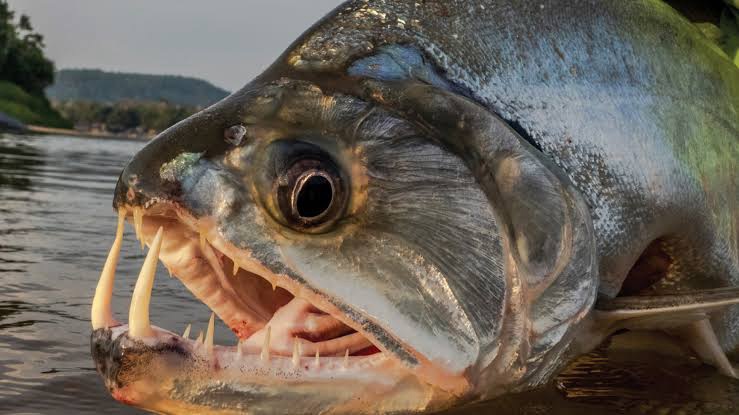
With a sharp smile and cunning eyes, the dogfish is one of the wonders of the Amazon. Known for its prominent teeth that resemble a dog, this predator is not only intriguing but essential for the balance of the aquatic ecosystem.
The Evolution of the Dogfish
As it glides through the murky waters of the Amazon rivers, we encounter one of the most intriguing creatures of the aquatic fauna: the dogfish. This remarkable predator is not just an impressive sight but also represents the result of millions of years of evolution, shaped by the challenging environment that surrounds it. With a top position in the food chain, its adaptations are a testament to how nature can sculpt unique and effective beings.
Absolute Adaptations
In the fascinating aquatic world, each species must adapt to survive. The dogfish, with its elongated shape and powerful musculature, has developed characteristics that make it a feared predator. The ability to reach astonishing speeds over short distances, combined with its cunning, allows it to capture prey with lethal precision. Moreover, its sharp teeth, resembling blades, can easily tear the flesh of its victims. This form of adaptation is undoubtedly a perfect example of how evolution favors those who adjust best to their environment, reflecting a constant struggle for survival.
Hunting Strategies
Beyond its physical characteristics, the hunting strategy of the dogfish is equally remarkable. It employs ambush as its primary capture technique. Patiently waiting among the underwater vegetation, it surprises its prey, attacking with speed and precision. This approach not only maximizes its chances of success but also minimizes energy waste, a critical factor in a habitat where resources can be scarce. Thus, the dogfish becomes not just a survivor but a model of efficiency in adapting to the Amazon river ecosystem.
As we advance in this study of the dogfish, it will be fascinating to explore the physical characteristics that impress in this formidable predator.
Impressive Physical Characteristics
Let us imagine, for a moment, a fierce predator navigating the murky and mysterious waters of the Amazon. The dogfish, with its imposing appearance, is one of the major highlights of this lush environment. This creature of significant proportions, which can reach up to two meters in length, is not just an example of magnificence but also a symbol of adaptation in a constantly changing ecosystem.
Sharp and Powerful Teeth
The teeth of the dogfish are one of its most impressive characteristics. And, upon closer inspection, we see that they are sharp as blades, designed to tear the flesh of its prey. This adaptation is vital, as it allows the dogfish to effectively capture a variety of prey, including fish and small aquatic mammals. The shape of its mouth, wide and frontal, also contributes to its ability to ambush its victims, revealing the brutality and precision that nature can offer in terms of survival.
Body Coloration and Shape
In addition to its fearsome dentition, the coloration of the dogfish is a spectacle in itself. Generally, it exhibits a hue that ranges from bluish-gray to olive-green, allowing it to camouflage in the shadows of underwater vegetation. This coloration is not just for beauty; it is an essential strategy to remain out of sight from predators and potential prey. Along with its slender body, which has a hydrodynamic shape, this fish is an agile swimmer, capable of moving at high speeds through the waters.
Therefore, as we study the fascinating dogfish, we notice that its physical characteristics are more than mere attributes; they are adaptations that make it one of the most formidable predators of the Amazon rivers. As we continue our journey to understand the world of this majestic animal, we will delve into the realm of its intriguing habits and behaviors.
Habits and Behavior
Amidst the murky waters of the Amazon, the dogfish emerges as a remarkable predator, revealing itself as a true wonder of evolution. Equipped with a robust body and an imposing jaw, this fish is not only a producer of unusual sounds but also a master of hunting. The dogfish, in its insatiable quest for food, employs sophisticated strategies that make it one of the most efficient hunters in the region.
Hunting Style
The dietary habits of the dogfish are like a spectacle of nature. It stands out for its ability to attack in groups, forming a true aquatic battalion. This tactic not only increases its chances of capture but also deters potential competitors. Moreover, these predators are capable of attacking prey considerably larger than themselves, using the strength of their sharp teeth to pierce the flesh. The interaction with the environment is equally fascinating. The dogfish has a habitat that extends through the vast network of rivers and igarapés of the Amazon. Frequently, it hides among submerged logs, waiting for the right moment to surprise its prey. The more camouflaged it is, the better its chances of success.
Social Behavior
The social interactions of the dogfish are also noteworthy. Although they are generally solitary, they gather in groups during the breeding season, creating an intriguing dynamic. These encounters not only promote reproduction but also allow for the exchange of experiences. This complexity in their social behavior reflects the adaptability of these fish, which is fundamental for their survival. Understanding the habits and behavior of the dogfish is essential for appreciating the Amazonian biodiversity even more. As we explore the ecological importance of this predator, we can understand the critical role it plays in its ecosystem.
Ecological Importance in the Amazon
In the shadow of the imposing Amazon rainforest, a cunning predator emerges from the depths of the rivers: the dogfish. The fascinating behavior and adaptations of this fish make it a crucial component in the web of aquatic life in the Amazon. As it glides silently among the schools of fish, its presence is not only notable but vital for ecological balance.
The Role of the Dogfish in the Food Chain
The dogfish is a top predator, occupying an important position in the food chain. Its varied diet includes smaller fish, crustaceans, and occasionally even the young of other predators. This behavior not only controls the populations of its prey but also ensures the overall health of the ecosystem. The dogfish thus acts as energy circulators, transporting essential nutrients through the various layers of the food chain.
Interactions and Ecological Balance
In addition to its role as a predator, the dogfish also influences the dynamics among other species. For example, the presence of this fish can change the behavior patterns of smaller species, making them more cautious and, consequently, more adaptive. This interaction is similar to what occurs in other habitats, where predators shape the behavior and health of their prey. Furthermore, by feeding, they contribute to the removal of sick or weak individuals, helping to maintain a healthy population. Thus, the dogfish is not just a predator but a guardian of balance, ensuring that life flows harmoniously in the Amazon waters.
As we explore the richness and complexity of the Amazon ecosystems, it becomes evident that the protection and preservation of the dogfish and its habitat are fundamental. As we will see in the next chapter, the threats this magnificent fish faces require our urgent attention.
Threats and Conservation
Like a ghost in the murky waters of the Amazon, the dogfish moves with dexterity and ferocity. However, even this cunning predator faces challenges that threaten its existence. Currently, its population is drastically affected by overfishing and habitat degradation. What would the Amazonian biodiversity be without this magnificent representative? The reality, unfortunately, is alarming.
Survival Challenges
The rivers, which should provide shelter and sustenance, are also scenes of human competitiveness. Commercial fishing, in particular, has led to a significant reduction in the dogfish population. Moreover, intensified deforestation threatens aquatic ecosystems, harming water quality and reducing food availability. These conditions make the survival of the dogfish even more precarious. One cannot ignore the pollution caused by chemicals and waste accumulating along the riverbanks, directly impacting local fauna and flora.
Conservation Initiatives
Despite this grim scenario, conservation efforts are underway. Organizations and local communities have mobilized to protect the natural habitats of the dogfish. Environmental education programs and monitoring of dogfish populations are being implemented to raise awareness about the importance of this species. Additionally, some aquatic areas have been designated as reserves, allowing this fascinating predator to find refuge. These actions are crucial not only for the survival of the dogfish but also for the balance of the Amazonian ecosystem as a whole.
Therefore, as we explore the world of living beings, it is vital to remember that all are interconnected. Now, with this understanding, let us delve into another fascinating aspect of nature: the biology of the brain fungus.
Conclusions…
The dogfish exemplifies the diversity and complexity of life in the Amazon. Its adaptability and role in the underwater ecosystem are crucial, as well as being a reflection of what is at stake in the region’s rivers. Understanding this fish is not just about learning about a species but also about the need to conserve the environment in which it lives. Protecting the natural habitat is essential for the survival not only of the dogfish but of all the Amazonian biodiversity that inspires and sustains so many lives.
Did you know?
- What is the diet of the dogfish? The dogfish is carnivorous and primarily feeds on smaller fish, crustaceans, and even small mammals that approach the water.
- Where is the dogfish found? This fish is native to the freshwater of the Amazon region, especially in rivers and lakes in Brazil and neighboring countries.
- Is the dogfish an endangered species? Yes, the conservation of natural habitats and overfishing are putting this species at risk.
- How does the dogfish reproduce? Reproduction occurs through spawning, where females release eggs into the water and males fertilize them, caring for the young for a certain period.
- What are the physical characteristics of the dogfish? The dogfish stands out for its sharp and prominent teeth, resembling those of a dog, and its body is elongated and agile.
- What is the average size of the dogfish? This fish can reach up to 1 meter in length, although the average is around 60 cm.
- Is the dogfish consumed by humans? Yes, in some regions, the dogfish is considered a delicacy, but it must be fished responsibly to avoid its extinction.
- What are the natural predators of the dogfish? Young ones can be preyed upon by birds and other larger fish, while adults face few predators as they are at the top of the food chain.