Nyctimantis diadorim Frog: A Fascinating Discovery in Brazil
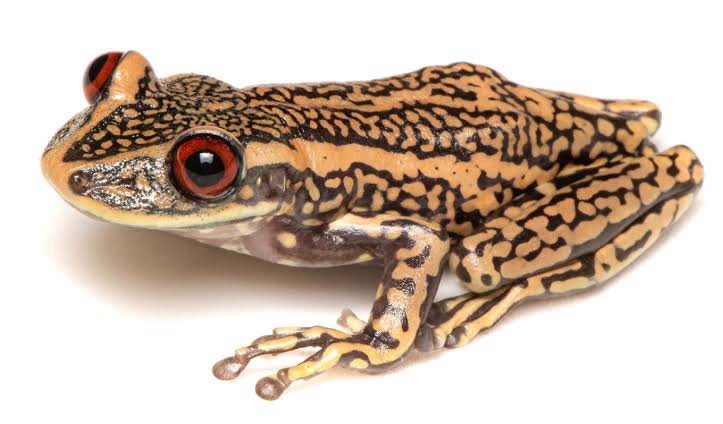
The Nyctimantis diadorim frog was recently discovered in Brazil and possesses unique characteristics that make it an intriguing species. Its large eyes and a head with bony protrusions resembling a helmet make it a true treasure of biodiversity.
Physical Characteristics of the Nyctimantis diadorim Frog
The Nyctimantis diadorim frog is a true spectacle of nature, found in the lush forests of Brazil. Its captivating appearance is not limited to the sheen of its skin but is enhanced by its large eyes, which reflect the curious world around. These eyes are adapted for nocturnal life, allowing the frog to detect even the slightest movements under the moonlight. This adaptation is vital, as darkness provides safety from predators and an exceptional opportunity to hunt prey.
In addition to its fascinating eyes, the structure of the Nyctimantis diadorim’s head is worthy of study. With a shape resembling a small masterpiece of nature, the head’s form aids in capturing insects. The slightly flattened shape provides aerodynamics that helps it jump efficiently through the foliage, increasing its chances of success while feeding. Along with this ability, the frog’s tongue is one of its most peculiar characteristics. Heart-shaped, the tongue extends rapidly in search of any nearby insect. This structure not only facilitates capture but also represents a necessary adaptation for its living environment.
Thus, the physical characteristics of the Nyctimantis diadorim go far beyond aesthetics; they are fundamental pieces for its survival. In this way, every detail of this frog’s body plays a crucial role in its life within the ecosystem. This intricate organism is a testament to the evolutionary wonders of nature, showing how form and function can together create extraordinary life forms. As we continue our journey, we will explore its natural habitat and the behaviors that define this fascinating species.
Habitat and Behavior
As we dive into the underground world of the golden blind mole, we are transported to a secret and fascinating habitat. This small mammal lives in a world of tunnels, where sunlight is a distant dream, and life is governed by soil moisture and constant temperature. Golden blind moles are specialists in an environment that many would never dare to explore.
A Specialized Habitat
This underground environment, rich in nutrients, allows the mole to efficiently feed on small invertebrates, such as worms and larvae. In fact, its adaptations include a keen sense of smell and a slender body, enabling it to navigate swiftly through the narrow tunnels it creates. Additionally, its robust claws are essential tools for digging, a task it performs with incredible dexterity.
In contrast, the mole’s presence on the surface is rare and fleeting. Although its atrophied eyes indicate a life without light, its foraging skills are impressive. These mammals occasionally emerge, perhaps attracted by the rains that bring life to the soil. However, the lack of camouflage makes them vulnerable to predators, and thus they quickly return to their underground realm.
Tunnel Behavior
Life in the extensive tunnels is marked by intriguing social behavior. Moles often share their habitats, establishing small colonies. This coexistence contributes to a healthy underground ecosystem, with each member playing a crucial role in maintaining soil structure. In summary, the close connection between the golden blind mole and its habitat is a testament to the adaptation and resilience of underground life. As we progress, we begin to understand how the golden blind mole not only interacts with its environment but also with the biodiversity around it, a theme we will explore next.
Ecological Importance of the Frog
As night falls, the Nyctimantis diadorim frog brings life to the Amazon ecosystem. With its vibrant coloration and nocturnal habits, this species plays a crucial role in maintaining ecological balance. As an indicator of environmental health, the presence of this frog reflects the quality of air and water around it, offering a glimpse into the interconnectedness of the organisms that inhabit the forest.
The Role of Nyctimantis diadorim in the Ecosystem
The Nyctimantis diadorim frog is not just a visual spectacle; it is a fundamental piece in the food web. Acting as a predator, this species feeds on a variety of insects, controlling their population and preventing explosions that could destabilize the ecosystem. Thus, the Nyctimantis diadorim contributes to the health and biological diversity of the environment, providing a more harmonious space for other organisms. In addition to being a predator, it is also prey, serving as food for birds and animals that inhabit its domain.
Contribution to Biological Diversity
Biological diversity is essential for the resilience of ecosystems, and the Nyctimantis diadorim frog exemplifies this importance. Its presence signals a habitat rich in life, where the interaction between species fosters a healthy cycle. Each species, including the Nyctimantis diadorim, plays an informal role in preserving this delicate balance. For a deeper exploration of the topic, visit biguatinga, which highlights how different species interact to sustain their habitats.
In this interconnected context, the Nyctimantis diadorim frog is not just a forest inhabitant; it is a symbol of a living, breathing system where each element serves a purpose. Understanding this interdependence is crucial, especially in light of the challenges nature faces today. The transition to the next chapter will alert us to the threats this species faces and the urgent need for preservation.
Challenges and Threats to the Species
The magnificent Nyctimantis diadorim frog, despite its undeniable appeal, faces unique challenges that threaten its survival. As Brazil’s tropical forests succumb to human exploitation and real estate advancement, the habitat of this frog is deteriorating alarmingly. The landscape that was once rich in biodiversity is now transforming into a mosaic of deforested areas, creating barriers to its migration and reproduction.
Impact of Climate Change
Moreover, climate change plays a predominant role in this concerning scenario. Temperature fluctuations and altered rainfall patterns affect the life cycles of frogs, destabilizing entire ecosystems. For example, moisture is essential for the reproduction of the Nyctimantis diadorim; without regular rains, the species’ reproductive success is compromised. The combination of these factors creates a vicious cycle, where degradation and extinction seem increasingly inevitable.
Need for Conservation
It is here that conservation becomes an extreme priority. Replanting initiatives and the creation of protected areas can help reverse some of the damage. Local and international organizations are fostering efforts to protect and restore critical habitats. Additionally, the team of researchers studying the Nyctimantis diadorim frog plays a vital role; therefore, better understanding its specific needs can guide actions aimed at its preservation. Conservation is both a hope and a necessity.
Thus, as we continue our journey through this fascinating discovery, it is imperative that we remember the fundamental role that habitat protection plays in the survival of the frog, as well as many other vulnerable species.
The Future of the Nyctimantis diadorim Frog
As we delve deeper into the mystery of the Nyctimantis diadorim frog, a clear challenge emerges. This species, with its unique beauty and fascinating behavior, finds itself at a critical crossroads. The future of the Nyctimantis diadorim depends not only on our understanding of its biology but also on effective actions for its preservation.
Preservation Initiatives
The conservation of the Nyctimantis diadorim frog is part of a broader effort to protect biodiversity in Brazil. Local initiatives have emerged, focusing on environmental education programs and awareness. Non-governmental organizations are joining forces to restore natural habitats and monitor frog populations. Furthermore, the role of scientific research cannot be underestimated. There is a genuine need for studies addressing the ecology and behaviors of this species, as only then can we understand how it interacts with its environment.
Necessary Research
In-depth investigations into the impacts of climate change and urbanization on frog habitats are particularly necessary. This research can reveal how the Nyctimantis diadorim responds to these pressures. Equally important is the assessment of the species’ genetics to ensure genetic diversity. This will aid in its resilience to future environmental changes. On the other hand, by exploring these aspects, we can cultivate an optimistic view for conservation, drawing inspiration from past successes with other threatened species. Recovery stories, such as that of the toucan, can serve as models, showing that with dedicated efforts, change is possible.
In light of these reflections, the fate of the Nyctimantis diadorim frog appears tangled but filled with hope. The future will depend on our ability to act, unite communities, and preserve not only this magnificent frog but also the rich tapestry of life it represents.
Conclusions…
In summary, the Nyctimantis diadorim frog stands out not only for its impressive physical characteristics but also for the potential it holds for research and conservation. The discovery reinforces the importance of Brazilian biodiversity and the need to protect these unique habitats. Each new species reveals interconnected life stories that deserve our care and attention.
Did You Know?
What are the main characteristics of the Nyctimantis diadorim frog?
The Nyctimantis diadorim frog has large eyes, a head with bony protrusions resembling a helmet, and a heart-shaped tongue.
Where was the Nyctimantis diadorim frog discovered?
It was discovered in various regions of Brazil, in habitats that need to be preserved.
Why is the Nyctimantis diadorim frog important for biodiversity?
In addition to being a new species, its presence indicates the health of the ecosystem and the biological diversity necessary for environmental balance.
What is the preferred habitat of the Nyctimantis diadorim frog?
This frog prefers humid areas and tropical forests, where it can hide and feed.
What is the diet of the Nyctimantis diadorim frog?
It primarily feeds on insects and small arthropods found in its habitat.
How does the discovery of the Nyctimantis diadorim frog impact scientific research?
This discovery enhances our understanding of biodiversity and the evolution of frogs in Brazil, as well as motivating conservation efforts.
Are there threats to the survival of the Nyctimantis diadorim frog?
Yes, the main threats include habitat loss due to urbanization and deforestation, as well as pollution.
What can be done to protect the Nyctimantis diadorim frog?
Conserving its natural habitats and promoting environmental education are essential to protect this and other threatened species.