The Giant Asian Hornet: The Monster of the Insect World
The giant Asian hornet, known for its excruciating sting and potential lethality, evokes fascination and fear. In this article, we will explore its characteristics and risks.
Introduction to the Giant Asian Hornet
In the quiet of the Asian forest, an imposing shadow stands out among the trees. This is the giant Asian hornet, Vespa mandarinia, one of the most formidable insects on our planet. Its size is just the beginning of its remarkable presence in the ecosystem. This chapter invites you to dive into the history and fascinating culture surrounding this creature.
The Impactful Discovery
The giant Asian hornet was first identified in China, but its existence quickly captured the attention of scientists around the world. Its impressive size and the strength of its stings made it a curiosity to be studied. Thus, investigations into its biology and behavior revealed not only a cunning predator but also a vital role in the balance of nature. After all, its presence helps control other insect populations, highlighting its undeniable ecological importance.
Relevance in Popular Culture
Beyond its ecological role, the giant Asian hornet has become an icon in popular culture. Documentaries and reports often explore its aggressive nature, leading people to a mix of fascination and fear. Its representation in films and social media has increased awareness about these creatures while also fueling a certain dread. While many consider it a monster, it is crucial to remember that every being has its place in the vast tapestry of biodiversity. This perception is essential, especially when we consider the complex interactions that sustain life on Earth.
Thus, it is with care that we prepare to examine the physical and behavioral characteristics that make the giant Asian hornet so unique and feared. The following pages will take us on a deeper exploration of its unusual abilities.
Physical and Behavioral Characteristics
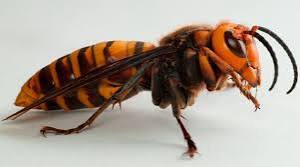
At first glance, the giant Asian hornet (Vespa mandarinia) is an imposing creature. With a body that can reach up to five centimeters in length, it stands out with its vibrant orange coloration and deep black markings. It is not just the size that intimidates; its mandibles are powerful, suited for hunting prey and defending the colony. The robustness of these hornets is evident, as their long, transparent wings allow for agile and intelligent flight. While flying, they can cover great distances, maintaining their immunity to smaller predators that often think they are the easiest prey.
The Hunting Ability
These hornets are undoubtedly formidable predators. Their diet consists mainly of bees, which they hunt in a fascinating process. They are known to attack bee colonies, where, using their mandibles, they can dismember their prey. As a result, a single hornet can eliminate dozens of them in a matter of minutes. The method of attack is remarkable: in groups, the hornets organize and surround their prey, a strategy that demonstrates not only power but also ingenuity in teamwork.
Aggressive Defense
When it comes to defense, the giant Asian hornets are equally terrifying. They use their stings, which inject a highly potent venom, to repel intruders. This venom, however, is not just a defense mechanism but also a means to incapacitate their prey. As we observe this behavior, it becomes clear that giant Asian hornets are not merely hunting creatures; they are complex beings that operate with intelligence. Thus, in their interactions, they establish themselves not only as predators but as a formidable force of nature.
As we advance in our exploration, we prepare to discuss the composition of the giant Asian hornet’s venom and its devastating effects on the human body.
The Effects of the Sting
The sting of the giant Asian hornet, notoriously lethal, is not just a mere attack; it is an experience that can be devastating. This majestic and fearsome insect reveals the terrifying effects of its venom, a compound that is part of an intricate strategy of defense and attack. When this colossal creature injects its venom, the consequences are far deeper than the momentary pain it causes.
The Composition of the Venom
The venom of the giant Asian hornet is a complex mixture of toxins. This composition includes enzymes, peptides, and biogenic amines, which act in a coordinated manner, causing adverse reactions in the human body. One of the main components, mastoparan, triggers a massive release of histamine, resulting in intense pain, swelling, and, in severe cases, anaphylactic shock. The signs of a sting can easily turn into a terrifying experience, where the individual’s very life is at risk.
Survivor Stories
Over the years, various stories have emerged, illustrating the horrors experienced by those who crossed paths with the giant Asian hornet. One of these poignant narratives speaks of a beekeeper who was stung while working. He described the sting as ‘a fire burning from the inside out,’ and stated that the pain was so intense that it led him to seek immediate medical attention. Fortunately, after receiving proper treatment, the beekeeper overcame the experience, but he carries physical and emotional scars that remind him of an encounter with a true monster of the insect world. Therefore, the consequences of a sting are not limited to pain. They are a powerful reminder of the complexity and danger that nature can present, where life is constantly balanced between beauty and terror.
As we better understand the venom of the giant Asian hornet and its repercussions, we are led to reflect on the impact that this species can have on our ecosystem and, more critically, on public health. Soon, we will explore the broader threat that these insects pose to society.
The Species and Its Public Health Danger
When we think of dangers that threaten our health, the giant Asian hornet, with its imposing appearance, may not seem like the first threat that comes to mind. However, this species, Vespa mandarinia, is not only one of the largest insects in the world; it represents a significant and real risk to public health. With its potent sting and the ability to cause severe allergic reactions, its presence in new regions raises growing concern among experts and authorities.
Associated Dangers of the Giant Asian Hornet
The giant Asian hornet is notoriously aggressive, especially when its colony is threatened. Studies show that in attack situations, they can sting repeatedly, injecting potent venom that not only causes intense pain but also, in extreme cases, can result in fatal complications. Public health authorities are concerned that the increase in their presence may lead to a rise in cases of anaphylaxis, a severe allergic reaction that can occur rapidly.
Authorities’ Response and Control Measures
Recognizing the impact that the giant Asian hornet can have on public health, authorities have begun to implement control measures. In various regions, teams are mobilizing to monitor the population of these insects and eliminate identified nests. Additionally, educational campaigns are being developed to inform the public about the risks and signs of a sting. Continuous monitoring becomes essential, especially in areas where the presence of the hornet has already been confirmed. Thus, while the wonders of the natural world continue to enchant us, the giant Asian hornet stands out as a grim reminder that we cannot ignore the threats that wildlife brings.
Precautions and Safety
The giant Asian hornet, with its impressive wingspan and relative ferocity, not only fascinates but also exhibits a threatening side that must be fully understood. For those wishing to explore the realm of hornets safely, knowledge about how to avoid unwanted encounters and how to protect oneself against their stings is of vital importance. When entering environments where these creatures may be present, it becomes essential to take precautions.
Avoiding Encounters
First, it is crucial to have a basic understanding of the preferred habitat of the giant Asian hornet. These hornets prefer open and airy areas, often near food sources such as flowers and fruits. Thus, avoiding them in known areas is a predominant strategy. Furthermore, when engaging in outdoor activities, it is recommended to wear neutral-colored clothing, as vibrant colors can attract the attention of these insects. Whenever possible, avoid wearing strong fragrances, as these odors can be irresistible to hornets, inadvertently drawing them to you.
Protecting Against Stings
If you find yourself in a situation where a giant Asian hornet approaches, remaining calm is crucial. Sudden movements can provoke them, leading to dangerous stings. In case of stings, medical emergency should be sought immediately, especially for those with a history of allergic reactions. Additionally, it is wise to always have a first aid kit on hand, with appropriate medications for pain relief and swelling.
With these tips, the chance of an unwanted encounter with the giant Asian hornet can be greatly reduced. After all, knowledge and caution are powerful allies in the journey through the fascinating yet sometimes dangerous nature around us. Thus, as we prepare to explore the world of lanternflies, it is vital to remember that safety should always be a priority.
Conclusions…
The giant Asian hornet is a fascinating yet extremely dangerous creature of the animal kingdom. Its stings are not only painful but can also be fatal for allergic individuals. Awareness of this insect, its behaviors, and the associated risks is essential. Furthermore, it is crucial to respect its habitat and act cautiously in regions where they are found. Understanding its characteristics can help avoid unwanted encounters and ensure everyone’s safety.
Did You Know?
What is the giant Asian hornet?
The giant Asian hornet is the largest hornet in the world (Vespa mandarinia), known for its extremely painful stings.
Why is the sting of the giant Asian hornet so painful?
The sting is painful due to the potent venom it contains, which can cause intense pain and, in extreme cases, fatal allergic reactions.
Where is the giant Asian hornet found?
It is native to East Asia, especially China, Japan, and Korea, but has spread to other regions.
Are the stings of the giant Asian hornet fatal?
Yes, the sting can be fatal, especially for allergic individuals or those with pre-existing health conditions.
How to avoid stings from the giant Asian hornet?
Avoid approaching nests and refrain from using perfumes or wearing bright-colored clothing, which may attract them.
What is the size of the giant Asian hornet?
It can measure up to 5 cm in length, with a wingspan of up to 7.6 cm, making it the largest hornet in the world.
Is the giant Asian hornet aggressive?
Yes, they can become aggressive when their nest is threatened, and their sting is a powerful defense.
What to do in case of a sting?
If stung, seek medical attention immediately, especially if you have a history of allergies to insect stings.