Crane Fly: The Long-Legged Mosquito That Protects Nature
Crane flies, known for their long legs, are surprising allies in nature. Despite resembling mosquitoes, they don’t feed on blood, and their larvae help combat unwanted pests.
The Simple Anatomy of Crane Flies
As we continue our exploration of the fascinating world of crane flies, we are drawn to contemplate their intriguing anatomy. Standing out in the vast insect kingdom, these delicate aerial titans captivate our senses and challenge our perception of what is essential for survival. With an elegant stature, they showcase a unique spectacle of evolutionary engineering.
Unique Structure
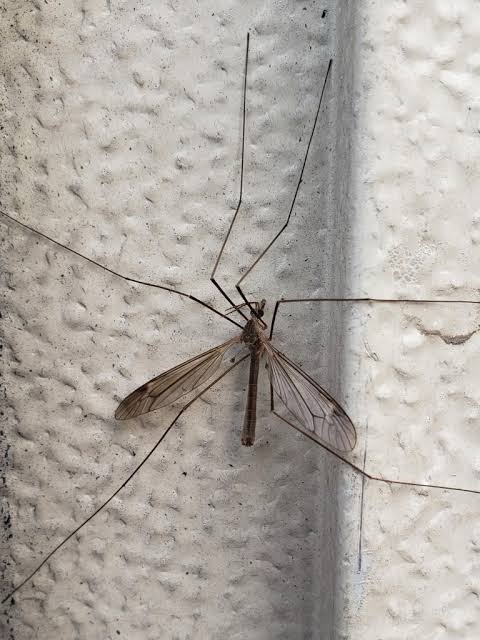
Often mistaken for giant mosquitoes, crane flies have long, slender legs that give them a graceful, almost otherworldly appearance. Although vulnerable to predators, these legs provide an advantage in moving over water surfaces or dense vegetation. Their large, fragile bodies, while seemingly awkward in flight, are perfectly adapted for a lifestyle where lightness is key.
Despite their superficial similarities to mosquitoes, there are notable differences. Crane flies are not bloodsuckers; their mouthparts are adapted to sip nectar, removing the threat often associated with mosquitoes. It’s fascinating to see how, through precise adjustments over millennia, they have evolved to occupy a less aggressive niche.
Distinctive Adaptations
The long, showy antennae of crane flies serve as delicate sensors, allowing navigation through complex landscapes and detection of potential mates during reproduction. Unlike many other insect species, they are not agile predators, relying on camouflage and erratic flight for defense. This combination of adaptability and harmlessness allows them to inhabit diverse environments without major conflicts.
As we move to explore the crucial role their larvae play in the ecosystem, it’s impossible not to reflect on the intricate balance that the anatomy of crane flies represents. By understanding their unique characteristics, we are led into a world where every detail contributes to a delicate balance, reverberating through the fabric of nature.
The Role of Larvae in the Ecosystem
As dawn breaks over the edges of a damp forest, the apparent serenity conceals a continuous dance of life and nourishment, a carefully orchestrated spectacle of nature. In this discreet stage, crane fly larvae emerge as essential actors in the complex ecological theater. Though small, these young heroes play vital roles, shaping the environmental balance in surprising and impactful ways.
Soil Engineers and Pest Controllers
By feeding on organic matter, crane fly larvae help recycle nutrients, promoting more fertile and healthy soil. This feeding habit not only stimulates plant growth but also controls fungal populations, balancing the microecology below the surface. Additionally, by consuming small pests and debris, these larvae significantly contribute to biological control, eliminating the need for pesticides in some cases. In moist environments, where excess moisture can encourage pest outbreaks, the fabulous crane fly larvae brilliantly maintain balance.
Supporting the Food Chain
Beyond their direct contributions, they also serve as a rich food source for many predators, such as birds and small mammals. This reinforces trophic interactions and promotes biodiversity. With this constant interconnection of life cycles, crane fly larvae sustain intricate food webs that ensure the survival of various species. By providing essential nutrients in the form of biomass, they vitalize the vitality of the food chain.
The growing understanding of this delicate balance, crafted by crane fly larvae, inspires us to reevaluate our agricultural and pest control practices. In this natural cycle, where myths and truths intertwine, we can now move forward to unravel the myths surrounding the relationship between crane flies and mosquitoes, revealing their true characteristics in the following pages.
Debunking the Relationship with Mosquitoes
Nature holds secrets that often surprise us with their subtleties and complexity. Thus, as we delve into the universe of the mysterious crane fly, it’s easy to fall into a web of misunderstandings and erroneous associations. After exploring the vital role of crane flies, we encounter a fundamental theme: debunking the myths that surround them.
Separating Fact from Fiction
Crane flies, popularly known as ‘long-legged mosquitoes,’ are often confused with their blood-sucking relatives. However, contrary to popular belief, these insects are harmless to humans. In reality, adult crane flies do not feed on blood, nor do they spread diseases. Understanding these differences is essential to recognizing their importance in ecological balance.
With their long, delicate legs, crane flies play a distinct role in ecosystems. They primarily feed on nectars and are often found in moist areas, playing a vital role in the decomposition of organic matter. Contrary to the stigma that follows them, these creatures are essential for maintaining healthy habitats.
The Value of Close Observation
Examining the life of crane flies closely reveals fascinating behaviors. We notice that their presence reflects a balanced environment, a sign that fields and forests are fulfilling their role in supporting biodiversity. We need to broaden our perspective and realize that, just as nature teaches us, every living being has a purpose.
By demystifying the relationship between crane flies and common mosquitoes, we pave the way for understanding and appreciating the fauna that colors many of our natural landscapes. Just as the preservation of crane flies is crucial, as we will see in the next chapter, observation and learning are our best tools in the conservation of any species.
The Importance of Preserving Crane Flies
In this majestic dance that is natural life, crane flies play an invisible role, often overlooked by most. Under their long legs, they bear the weight of a world in balance, appreciated by few but essential for many. Placed alongside charismatic species like the elephant, crane flies are true chameleons of anonymity, necessary for the perpetuation of the timbres and sounds that harmonize the orchestrated spectacle that is biodiversity.
The Web of Life
At first glance, it may seem that crane flies have no significant impact. However, consider that these modest insects act as a food source for various birds and small mammals. This simple act helps sustain new lives and strengthens the complex food chains that exist in nature. Still, they contribute to maintaining soil health, being a vital part of the decomposition and recycling of organic matter. Moreover, their presence indicates a healthy ecosystem, rich in nutrients and biodiversity.
Sustainable Balance
The lack of attention given to crane flies highlights the need for the preservation of all forms of life, no matter how small they may seem. Failing to recognize them would be like silently removing a thread from the rich tapestry of life, where each thread has its place and function. By valuing these long-legged mosquitoes, we inspire a global awareness to ensure a future where biodiversity is not only celebrated but also preserved. This awareness not only protects crane flies but the entire magnificence of natural balance.
In the next chapter, we will reveal how you can help crane flies in your own garden. We’ll see practical tips for fostering harmonious coexistence, encouraging natural pest control.
Practical Tips for Harmonious Coexistence
After understanding the vital role of crane flies in conserving our ecosystems, we must now explore how each of us can offer a safe haven for these incredible insects in our backyards. This not only helps protect a beneficial species but also enriches our immediate environment, promoting a microsystem of natural pest control.
Creating Natural Habitats
To start, it’s important to create an environment that mimics the natural habitat of crane flies. Try incorporating small bodies of water, like ponds or fountains, as crane fly larvae need moisture to develop. Additionally, spaces with native plants attract not only crane flies but also other forms of life that help maintain biodiversity.
A layer of foliage on the ground can serve both as shelter and as a food source for some species of larvae. It’s a reminder that gardening practices can often be adjusted to favor wildlife. Be mindful of pesticide use, as they can be harmful. Instead, consider natural alternatives, such as using herbs that repel insects.
Patience and Observation
Cultivating patience is essential. Crane flies need time to establish themselves and form their populations. Take this time to observe and better understand the life cycle and behavior of these fascinating creatures. By doing so, you will be contributing to a healthier and more balanced garden.
As we capture the true spirit of cohabiting with nature, we return to our central theme: the importance of each element in the vast and wonderful mosaic of life. Moving forward to the next chapter, we will explore the complex dance of crane flies with other species in their ecosystem.
Conclusions…
Crane flies are more than they appear. Although their appearance may resemble mosquitoes, they do not pose a threat to humans as they do not feed on blood. Their larvae play a crucial role in controlling other pests, such as dengue mosquito larvae. By understanding the true positive impact of these insects, we can appreciate the complexity of natural interactions and recognize crane flies as allies of biodiversity. Did you enjoy this post? Like, comment, and share so we can keep creating!
Did you know?
- What are crane flies? Crane flies are long-legged insects, known for their resemblance to mosquitoes, but they are harmless and do not feed on blood.
- Do crane flies bite? No, crane flies do not bite. They are harmless to humans and animals.
- What is the benefit of crane fly larvae? Crane fly larvae help control pest populations, such as dengue mosquito larvae.
- Where do crane flies live? Crane flies are found in various environments, usually in moist areas or near bodies of water.
- How do crane flies feed? Adult crane flies do not feed on blood; their diet consists of nectar and sap.
- Are crane flies dangerous to humans? No, crane flies are completely harmless to humans.
- What is the life cycle of a crane fly? The life cycle includes egg, larva, pupa, and adult, with the larval stage being the longest and most significant for pest control.
- How to differentiate crane flies from mosquitoes? Differentiate by appearance: while mosquitoes have slender bodies, crane flies have larger bodies and longer legs.