Wonders of the Muscovy Duck
The muscovy duck, scientifically known as Cairina moschata, is a fascinating bird that captivates everyone with its unique presence. In this article, we will delve into its habitat, behavior, and peculiarities, revealing what makes this bird so special in South and Central America.
The History of the Muscovy Duck
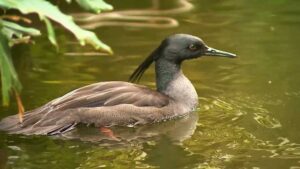
The evolution of the muscovy duck is a fascinating journey through ancient times. This extraordinary bird, scientifically known as Cairina moschata, has its roots in the swampy forests of the Amazon. Its distinct characteristics make this duck an adaptive wonder. Adaptation to the aquatic environment has contributed to its elegant form and swimming abilities. Interestingly, the muscovy duck is not alone in its evolutionary journey. It evokes parallels with the biguatinga, another aquatic bird that has also evolved to thrive in Brazilian waters.
The muscovy duck has expanded its range throughout South and Central America, in regions south of Texas in the United States. This vast geographical distribution highlights its incredible adaptability to diverse environments. Indigenous peoples have long understood the value of this duck, not only as a food source but as part of their cultural traditions.
The expansion of the muscovy duck has been associated with climate changes and fluctuations in the habitats it occupied. While other species struggled for survival, the muscovy duck thrived in new territories. These adaptations have made it an indispensable part of the wetland ecosystems of the region. The muscovy duck is not only a symbol of the rich biodiversity of South America but also an example of resilience. The way it traveled and established itself in different landscapes is a testament to its endurance and ability to adapt to the constant flow of environmental changes. Its presence continues to enchant and inspire biologists and conservationists to protect the habitats that sustain this iconic species.
Habitat and Behavior
In our vast and rich natural scenery, the muscovy duck finds its home in flooded regions, where water dances with lush vegetation. These bucolic environments offer shelter and food, contributing to the harmonious existence of this magnificent being. The banks of calm rivers, lakes, and swamps are the preferred habitats, providing safety and the diverse diet they need.
The social structure of the muscovy duck is an intricate tapestry of interactions. Frequently seen in small groups, they exhibit behaviors that highlight their cooperative nature. These flocks work in unison to forage for food while remaining alert against predators, exemplifying a highly efficient collective defense system.
Surprisingly adaptable, they demonstrate an astonishing ability to respond to changes in their environment. With variations in water levels or changes in food availability, the muscovy duck gracefully relocates to new sites, as if it understands the delicate balance of its ecosystem. This resilient characteristic is essential for its survival in times of climate transformation.
When the imminent pressure on its habitat caused by human activity and environmental changes intensifies, the adaptability of the muscovy duck remains a silent warrior. They adjust their migration routes, adapt their foraging techniques, and even modify their social behavior in response to new challenges.
This incredible capacity for adaptation can be compared to resilient organisms like the tardigrade, which withstand extreme conditions. Indeed, the muscovy duck’s dance with nature is a testament to its profound natural intelligence and environmental insight.
Diet and Feeding
The muscovy duck, a fascinating and clever bird, displays a diverse and adaptable diet. It primarily feeds on aquatic plants, insects, small crustaceans, and seeds. This dietary variety not only meets its nutritional requirements but also expresses a harmonious balance within the ecosystem.
In rivers and ponds, the muscovy duck gracefully dives underwater to seek its main source of nutrition: roots and leaves of aquatic plants. This behavior not only affects its own well-being but also influences aquatic health, contributing to the maintenance of submerged plants, essential for water oxygenation and natural shelters for other species.
Insects play a crucial role in the muscovy duck’s diet, especially during the breeding season when the need for additional nutrients significantly increases. By feeding on insects, the muscovy duck helps control the population of these small arthropods, preventing overpopulation and its potential adverse effects on the environment.
Moreover, the collection of seeds by these ducks promotes plant dispersal, contributing to the regeneration of the banks of water bodies. This process aids biodiversity, ensuring a rich and resilient environment capable of sustaining wildlife.
This symbiosis with the habitat brings several positive consequences for the aquatic ecosystem. The maintenance of adequate vegetation supports the food chain, benefiting everything from small fish to larger animals. Interestingly, similar phenomena can be observed in other species, such as the biguatinga. Thus, the muscovy duck emerges not only as a diligent food consumer but also as a vital environmental moderator in its natural habitat.
Reproduction and Life Cycle
In the shadows of the humid forests, the muscovy duck begins its life cycle with an intricate courtship ritual. Males display vibrant plumage, a hypnotic dance to attract the attention of females. When the female selects her partner, the pair establishes a monogamous bond, a notable trait among these birds.
During the nesting process, the female carefully chooses a sheltered location near water. There, she builds a nest using leaves and twigs wisely intertwined. The clutch of eggs typically ranges from five to eight, and incubation is a shared duty, demonstrating the strong partnership between the pair.
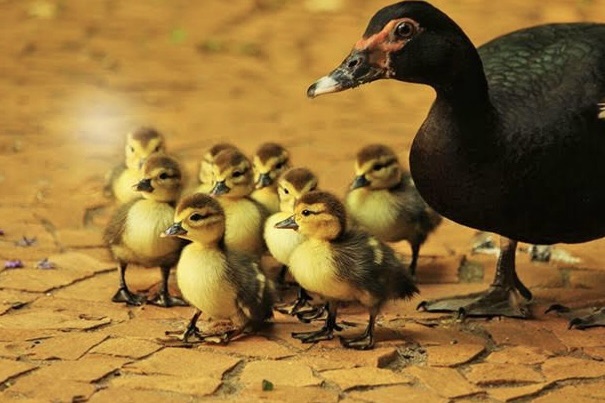
After about 28 days, the tiny chicks emerge from the eggs. Covered in soft down, the chicks are precocial, ready to venture out. From the start, they are under the careful supervision of their parents, who fiercely protect their offspring.
The first months are crucial for the ducklings’ learning. They observe and imitate their parents, acquiring essential skills such as foraging and social behaviors. The family remains united, navigating the calm currents in complex formations.
As the chicks grow, the barrier between childhood and independence begins to dissolve. The young ducks start to explore on their own, practicing short flights until they master the art of flying.
Like the biguatinga, the life cycle of the muscovy duck reflects the perseverance and adaptability of wildlife. Their family interactions, guided by the need for survival, are a tribute to the beauty and complexity of nature. This life cycle holds singular importance in the ecosystem of which it is a part.
Conservation and Future
Amid the lush diversity of tropical forests, the muscovy duck faces significant conservation challenges. Habitat loss is the primary threat, resulting from agricultural expansion and rampant deforestation. As forests are transformed into agricultural land, the delicate ecological balance upon which the species depends is irrevocably disturbed.
The forests harbor not only this species but also countless other creatures, weaving a tapestry of interconnected life. When these areas are destroyed, the survival of the muscovy duck is compromised, highlighting the urgency of conservation efforts. Pollution of the water bodies where these birds feed and breed also poses a tangible threat.
To mitigate these impacts, it is crucial to implement effective conservation measures. Protecting and restoring natural habitats should be a priority, ensuring that ecological corridors are maintained to allow for the free movement and dispersal of species. Creating reserves and national parks can provide safe havens where the muscovy duck and other species can thrive without disturbances.
Education and awareness are also powerful tools in the conservation arsenal. Local communities, when educated about the value of biodiversity, can be allies in preserving ecosystems. Sustainable management models and biodiversity-friendly agricultural practices need to be promoted.
Like other regions facing similar challenges, implementing measures like these can ensure a vibrant future for the muscovy duck, allowing it to continue its vital role in the ecological chain. The urgency is clear, and concerted action can make all the difference. To learn more about other birds that also face conservation challenges, see the fascinating story of the biguatinga.
Conclusions…
In summary, the muscovy duck is a bird that not only enriches the ecosystem where it lives but also enchants with its beauty and curiosities. Protectors of its habitat are essential for its preservation.
Did you know?
How to identify a muscovy duck?
The muscovy duck can be recognized by its dark plumage, large head, and broad bill. Males exhibit more vibrant coloration compared to females.
Can you eat muscovy duck?
Yes, muscovy duck is consumed in some regions, but it is important to check local regulations regarding the sustainability of this practice.
What color is the wild duck?
The wild muscovy duck has a coloration that varies between shades of dark green, brown, and red, especially on the heads of males.
Where does the muscovy duck live?
The muscovy duck primarily inhabits areas of tropical forests, ponds, and swamps in South America, being an adaptable bird in different ecosystems.
Can you raise muscovy ducks at home?
Yes, muscovy ducks can be raised in captivity, but they require adequate space and an environment that replicates their natural needs.
How to feed muscovy ducks?
The diet of the muscovy duck includes vegetables, insects, and grains. It is important to vary the diet to maintain their health.
What time do muscovy ducks sleep?
Muscovy ducks have crepuscular habits, sleeping at night and being more active during dawn and dusk.
What should muscovy ducks not eat?
Avoid offering processed foods or those high in salt, as well as food scraps that may be harmful to the health of the muscovy duck.
Can you raise ducks and chickens together?
While it is possible, it is important to monitor the interaction between different species to avoid aggressive or competitive behaviors.