
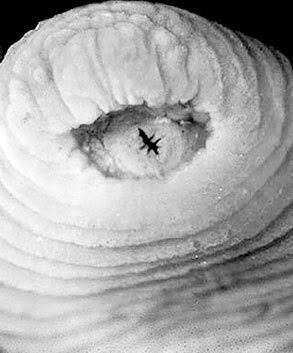
The Fascinating Leech T. rex
The Peruvian Amazon continues to surprise scientists with its biological riches, and the recent discovery of Tyrannobdella rex, a large leech, is exemplary. This article will explore the unique characteristics of this species, its ecosystem, the scientific impact of its discovery, and the curiosities surrounding its existence.
The Study of Amazonian Biodiversity
The vastness of the Amazon is a true treasure of biodiversity. With its dense forests rich in life, it provides a home for countless species. Many of these creatures are unique, coexisting in harmony with the tropical environment. The presence of species like the leech T. rex is a clear example of what the Amazon has to offer. These creatures, with their adaptive behavior, reflect the exceptional conditions found in the region.
The interaction between climate, soil, and vegetation in such an extensive space creates a vibrant ecosystem. Regular rains and warm sunlight contribute to an environment where plants thrive. With a dense cover of vegetation, life forms adapt. The competition for resources leads to the evolution of unique characteristics. Thus, the leech T. rex develops specific habits and adaptations, which can represent an opportunity or a challenge for other forest creatures.
The variations in altitude and geographical complexity promote an impressive diversity of ecological niches. This means that fauna not only diversifies but also specializes. The Amazon, therefore, is not just a home; it is a natural laboratory where interactions between species shape the biodiversity we know.
To understand this dynamic, it is crucial to study the Amazon and its peculiarities. The preservation of this ecosystem is vital; any alteration can directly impact the existence of beings like the leech T. rex. In a world struggling against biodiversity loss, the Amazon remains a sanctuary, where new discoveries await those who venture to explore.
The diversity of spiders in the Amazon exemplifies this incredible variety of adaptations and environmental relationships.
Physical Characteristics of the Leech T. rex
The leech T. rex stands out, without a doubt, for its impressive physical characteristics. This creature is not just an ordinary leech; it is a marvel of evolutionary adaptation. With a length that can reach an impressive 30 cm, this leech far surpasses its smaller relatives. As for its coloration, a predominant dark green hue provides effective camouflage in aquatic and muddy environments.
The leech T. rex features well-defined body segments that, when observed, reveal a fascinating pattern of green and black stripes, allowing it to blend into its surroundings. The suckers at both ends are an essential adaptation. These suckers are not only robust but also have a considerable diameter, allowing the leech to firmly attach itself to its prey.
The surfaces of the suckers are covered with small sensitive hairs that help detect the presence of nearby prey. This characteristic, combined with the static electricity it can generate, makes the leech T. rex an unbeatable hunter. This phenomenon is rare among annelids, giving the leech T. rex a unique advantage in its environment.
In addition to these characteristics, its ability to expand when feeding allows the leech to store a large amount of blood. As a result, it can go long periods without feeding again. These extraordinary adaptations are not only fascinating but crucial for the survival and prosperity of this magnificent aquatic organism. To better understand adaptations in other aquatic animals, check out this article on the jumping spider.
Behavior and Feeding
The leech T. rex, an intriguing predator, possesses feeding behaviors that reveal its adaptation to the environment. Its predominant diet includes the blood of large herbivores that roam dense forests and wet areas. This species has evolved to firmly attach itself to its prey, using a combination of physical and behavioral factors to ensure the success of its feeding.
Leeches have powerful suckers that allow them to cling to the skin of their prey. After securing itself, the T. rex uses its anticoagulant secretion to prevent the blood from clotting. This anticoagulant is a true feat of nature, allowing the animal to feed for extended periods.
The leech T. rex is observed to adopt subtle strategies when approaching its victims. Camouflage is a powerful weapon, facilitating its approach without being noticed. It can hide among the vegetation or in the shadows, waiting for the right moment to strike. This demonstrates a calculated and patient behavior, essential for its survival.
Moreover, the T. rex is not just a solitary feeder. Recent studies suggest that these animals may gather in large groups during feeding seasons, indicating an intriguing social dynamic. Such behavior may maximize their chances of success, making them even more fascinating within the animal kingdom. For more information on adaptations in predators, you can access this article on rhinoceroses, which shows how other large animals feed in their habitats. The leech T. rex, therefore, is a spectacle of nature in its purest form.
The Impact of the Scientific Discovery
The discovery of the leech T. rex has brought a new perspective to biology and conservation. This organism, with its unique characteristics, challenges our understanding of how interactions between species can influence entire ecosystems. By studying the leech T. rex, scientists have begun to recognize the importance of symbiotic relationships in aquatic environments. This opens the door for research on other underestimated species.
Bloodsucking leeches, once seen only as parasites, are now understood as bioindicators of environmental health. Their presence or absence in an ecosystem can point to imbalances that may be harmful to other forms of life. This discovery has led scientists to focus their attention on the conservation of aquatic habitats. Measures such as protecting water sources and monitoring pollution have become priorities.
The importance of the leech T. rex extends beyond biology. Its research has influenced conservation policies and environmental management practices. Including this organism in discussions about biodiversity and sustainable ecosystems demonstrates how each species, big or small, contributes to the complexity of life.
Furthermore, the leech T. rex serves as a model for future research. Studying its adaptations and behaviors can provide insights for areas such as biotechnology and medicine. By understanding how this leech interacts with its environment and other species, new pathways will be opened for scientific innovation. For more on the importance of aquatic ecosystems, visit this link.
Curiosities and Myths
The leech T. rex is a being surrounded by fascinating curiosities and myths. First, it is important to clarify a common misconception: despite its name, the leech T. rex does not feed on blood, as one might assume. In fact, its diet consists mainly of small invertebrates that it captures with precision. Another myth is that it can grow to alarming sizes. Although there are reports of large specimens, most measure only a few centimeters. Its life habits are also often misinterpreted. Many people believe that the leech T. rex is a voracious predator, but in reality, it is an essential part of the delicate ecological balance in which it resides.
Moreover, the reproduction of the leech T. rex is an intriguing subject. They can reproduce sexually or asexually, a rather rare ability among living beings. This phenomenon allows the population to sustain itself even in adverse conditions. The leech is also known for its incredible regenerative capacity. If a part of its body is lost, it can, over time, regenerate it. This makes it a subject of scientific studies and a true example of resilience in the animal kingdom.
Another curious aspect is its longevity, which can exceed a decade in its natural habitat. In summary, the leech T. rex is much more than its physical appearance suggests. For more curiosities about fascinating creatures, you can explore the tardigrade, a survivor in extreme environments.
Conclusions…
The discovery of the leech T. rex not only broadens our knowledge of the biodiversity of the Amazon but also highlights the importance of conserving these ecosystems. The uniqueness of this species reminds us that there is still much to learn about the wonders of nature.
Did You Know?
What is the importance of the leech T. rex?
The leech T. rex reveals the rich biodiversity of the Amazon and the need for studies and conservation of this unique region.
What is the habitat of the leech T. rex?
It inhabits areas rich in aquatic vegetation and adapts to the river environment, where its morphological peculiarities stand out.
What makes the leech T. rex unique?
This species stands out for its size and the way it feeds, bringing new perspectives on leeches in general.
What is the most recent discovery about the leech T. rex?
New research indicates that the leech T. rex may have complex ecological interactions that are still being explored.
How does the leech T. rex impact its ecosystem?
It plays an important role in regulating the populations of other aquatic organisms in the environment it inhabits.