
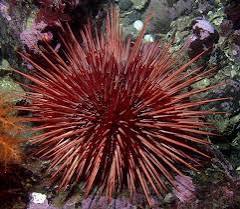
Sea Urchin: Fascination and Marine Ecology
Sea urchins are fascinating marine creatures that play a crucial role in oceanic ecosystems. Understanding their functions and interactions is essential for the preservation of marine life.
What is a Sea Urchin?
In a marine universe filled with life, sea urchins stand out as fascinating examples of adaptation and resilience. These beings, with their spiny shells, are not just a visual spectacle; they play a vital role in oceanic ecosystems. The beauty and complexity of these marine organisms captivate both scientists and curious minds, revealing secrets that go far beyond their external appearance.
Physical Characteristics and Behavior
Sea urchins are echinoderms, belonging to the class Echinoidea. They have a rounded body covered with spines that not only protect but also aid in locomotion. These spines are modified, flexible structures that provide both defense against predators and the ability to move along the seafloor. A fascinating aspect is their internal functioning system, which includes an internal skeleton called a test. This skeleton provides support and protection for internal organs. Additionally, sea urchins have a highly developed mouth apparatus known as a Aristotle’s lantern, which helps them feed on algae and small particles. As a result, they can actively interact with their surrounding environment.
Interaction with the Marine Environment
These magnificent animals also stand out for their social behaviors. In some species, it is common to observe groups of sea urchins gathering in food-rich areas. This aggregation not only optimizes feeding but also allows for better defense against predators. Thus, they foster a delicate balance in the marine ecosystem. To delve deeper into the relationships among various marine species, you can read about interactions within ecosystems, which reveal the importance of biodiversity. In summary, sea urchins are remarkable examples of how nature finds ingenious ways to survive and thrive in challenging environments. Their complex biology and adaptability illustrate a story of evolution and resilience that continues to fascinate.
The Ecological Role of Sea Urchins
The depths of the ocean hide extraordinary beings, each playing a vital role in the fabric of marine life. Among them, sea urchins stand out as diligent herbivores, whose function transcends the simple act of feeding. They not only help maintain the balance of ecosystems but also play a crucial role in the preservation of coral reefs.
Influence on Coral Reef Health
Sea urchins, by feeding on algae, regulate their growth in rocky areas and over corals. Without them, algae can proliferate uncontrollably, suffocating corals and obscuring the light sources that are essential for the photosynthesis of the symbiotic algae that inhabit corals. Thus, the relationship between sea urchins and corals is intrinsically positive, with the former serving as guardians against the collapse of reefs.
Interconnection with Other Marine Species
In addition to their vital relationship with reefs, sea urchins also have a social role in marine communities. They provide shelter and security for various species of small fish and crustaceans. On the other hand, the presence of these spiny companions also vitalizes the food chain, as many predators, such as starfish and lobsters, depend on them as a food source. Therefore, the proliferation or decline of sea urchin populations impacts the entire structure of the marine ecosystem.
When considering the ecological importance of sea urchins, it is crucial to remember how their intertwined lives affect not only the health of the aquatic environment but also our own existence. As we delve into the next chapter, we will explore the threats they face and the urgent need for their protection.
The Threat to Sea Urchin Populations
The waters that were once home to sea urchins are now becoming hostile environments. This small and intriguing echinoderm, which plays a vital role in marine ecosystems, faces multiple threats. Firstly, pollution from plastics and chemicals contaminates the habitat of various marine species, including sea urchins. Human consumption waste not only affects the health of sea urchins but also alters the chemical composition of their environment.
Ocean Acidification
Ocean acidification, a phenomenon resulting from the absorption of atmospheric carbon dioxide, reduces the availability of calcium carbonate. This is crucial for the formation of the exoskeletons of sea urchins. Moreover, as the water becomes more acidic, the survival of these creatures becomes increasingly challenging. Recent studies show that acidification can negatively influence the growth and reproduction of sea urchins.
Climate Change and Its Effects
Climate change, in turn, is altering the temperature and salinity patterns of ocean waters. This climatic shift not only affects sea urchins but also impacts the entire web of marine life. Rising water temperatures can exacerbate the occurrence of marine diseases, which become devastating for already vulnerable populations. The result is clear: the decline of sea urchin populations can lead to a total collapse of the ecosystems they inhabit.
As we explore these threats, it becomes imperative to understand the fragility of the marine balance, highlighting the importance of conservation strategies that will be discussed in the next chapter. Our role is, therefore, to ensure that not only do sea urchins survive, but that the oceans remain healthy and vibrant.
Conservation and Importance of Sea Urchins
As the waves crash against the shores, sea urchins remain silently performing a fundamental role in our marine ecosystem. These remarkable beings are not only an intriguing part of underwater life but are also vital for the health of coral reefs. Unfortunately, they are threatened by various factors.
Threats and Conservation Initiatives
The threats to sea urchins are numerous. Among the most concerning are pollution, overfishing, and climate change that affect their habitats. Recently, many conservation initiatives have begun to emerge, aiming to protect these fascinating creatures. In various regions of the world, reef rehabilitation programs focus on the protection of sea urchins, promoting their growth and reproduction. Community education also proves fundamental, as it raises awareness among fishermen and tourists about the importance of these animals.
Future Strategies for Sustainability
To ensure the survival of sea urchins in the future, it is necessary to implement strategies that embrace sustainability. The creation of marine protected areas is an effective approach, protecting not only sea urchins but the entire ecosystem. Additionally, promoting more responsible fishing practices will ensure that their numbers are maintained. Therefore, as we admire the beauty and complexity of marine life, we must act to preserve this wonder. Only then can sea urchins continue to play their vital role in the deep waters of our planet.
As we move forward, it will be essential to discuss fascinating curiosities that connect us even more to these skillful sea inhabitants.
Curiosities about Sea Urchins
Sea urchins, with their intriguing shapes and fascinating behavior, reveal much more than they appear. Often overlooked in the marine depths, these organisms have an essential role in the marine ecosystem. They especially attract attention, both in their biology and in their interactions with humans, proving to be true treasures of nature.
Relationship with Human Culture
The relationship between sea urchins and human culture is ancient and rich. In various coastal regions, these beings are featured in traditional dishes, celebrating their delicacy and unmatched flavor. Additionally, sea urchin shells, with their unique design, have been used in art and crafts, reaffirming the connection between man and nature. In Japan, uni, or sea urchin roe, is a prestigious dish, often served in exquisite sushi, highlighting the importance of this creature in gastronomy.
Unique Adaptations and Behaviors
The adaptations of sea urchins are remarkable. They exhibit an incredible ability to camouflage among rocks and algae, using spines and a hard shell as defense against predators. Undoubtedly, this ability is vital for their survival. Furthermore, certain types of sea urchins engage in curious practices, such as collecting small pieces of plants and coral to hide, associating with an intelligent survival strategy. These behaviors reveal a level of interactivity and fascinating adaptation that intrigues marine biologists and marine life enthusiasts.
With these curiosities, it becomes evident that sea urchins are much more than common creatures. They play a crucial role in their ecosystems and offer us valuable lessons about adaptation and interconnectedness. As we continue to explore the natural world, we find increasingly interesting links between species, as we will see when diving into the fascinating characteristics of the vanda orchid, one of the wonders of the plant kingdom.
Conclusions…
Sea urchins are more than a mere presence in the oceans; they play a vital role in the health and dynamics of marine ecosystems. Protecting these organisms is essential to ensure the sustainability of marine habitats, not only for them but for various species that depend on them. With the growing threats to the ocean, such as pollution and climate change, awareness and conservation become even more important. By adopting preservation practices and respecting their habitat, we can help ensure that these curious marine beings continue to thrive.
Did You Know?
What is the diet of sea urchins?
Sea urchins are primarily herbivores, feeding on algae and other marine vegetation.
Are sea urchins dangerous?
Although some sea urchins have spines that can cause pain, they are not aggressive and only defend themselves when threatened.
How do sea urchins reproduce?
Sea urchins reproduce by releasing gametes into the water, where external fertilization occurs.
What is the preferred habitat of sea urchins?
Sea urchins prefer shallow marine environments, such as coral reefs and kelp beds.
What threats do sea urchins face?
The main threats include pollution, climate change, and habitat destruction, which affect their survival.
How can I help protect sea urchins?
You can help by avoiding pollution, supporting conservation initiatives, and educating others about the importance of sea urchins.
What is the life cycle of sea urchins?
Sea urchins go through various developmental stages, from larvae to adult form, each requiring specific conditions.
Do sea urchins have predators?
Yes, sea urchins have natural predators, such as starfish and fish, that feed on them.