
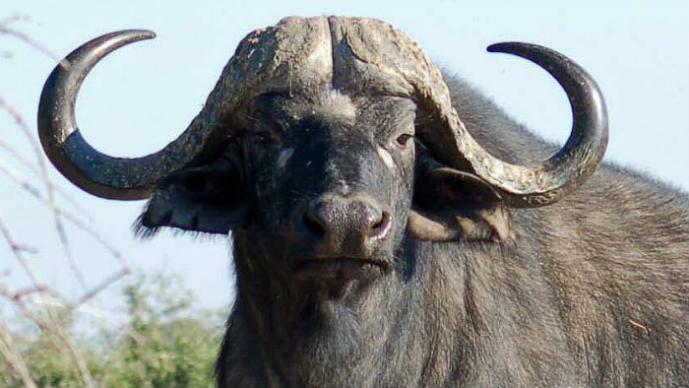
Jafarabadi Buffalo: Resilience of Nature
The Jafarabadi buffalo, a fascinating breed originating from India, stands out for its resilience and hardiness, sharing identities with its African cousin. In this article, we will explore its characteristics, habitats, and economic importance, revealing the robustness and beauty of this magnificent animal.
Origin and History
The Jafarabadi buffalo has a rich history that dates back thousands of years, originating in the fertile areas of the Indus River valley and the plains of India. This magnificent animal was domesticated around 4,500 years ago, during the period of the ancient Indus Valley civilization. The domestication of the Jafarabadi buffalo occurred in a context where agriculture was emerging, and these buffaloes were essential for fieldwork, as well as for milk and meat production.
Over the centuries, the Jafarabadi buffalo adapted to local climatic conditions. Harsh winters and scorching summers shaped its behavior and physiology. This resilience is one of its most remarkable characteristics. Compared to other breeds of buffalo, such as the Murrah and Nagpuri, the Jafarabadi has a robust build but also exhibits a distinct elegance. Its horns curve into an impressive shape, while its coat varies from black to grayish. This variety of colors and physical robustness distinguishes it not only among buffaloes but also as a symbol of Indian culture.
The Jafarabadi is also known for its significant contribution to the rural economy. They are valued for their ability to carry heavy loads and plow fields, in addition to being a reliable source of milk. Many farmers depend on this buffalo as an important means of livelihood, and over time, the demand for its qualities has made the Jafarabadi a breed admired worldwide. To understand life in harmony with nature, it is essential to learn more about the history of these magnificent animals, as well as to explore the lives of other species, such as the elephant, the gentle giant of nature.
Physical Characteristics
The Jafarabadi buffalo is a magnificent creature. Its imposing size is one of its most notable aspects. Adults can weigh between 500 and 1,000 kilograms, with a height ranging from 1.5 to 1.8 meters at the withers. This large structure is not only a spectacle but a testament to its resilience and adaptability.
As for color, its fur is predominantly black or dark, which contrasts with its wide and expressive face. What many do not realize is that this dark coloration serves as a natural protection against the sun’s rays in the arid environment they inhabit. A dense coat helps regulate body temperature, allowing it to survive in hot and dry climates.
The physical structure of the Jafarabadi buffalo is robust, with muscular limbs that provide great strength. Its wide and firm hooves help support its colossal weight, allowing it to traverse difficult terrains with ease. This conformation is essential, as many buffaloes spend their time in flooded or muddy fields, where strength is a requirement for movement and hiding from predators.
Moreover, the head of the Jafarabadi buffalo is adorned with curved horns, which stand out not only for their impressive shape but also for their functionality. These horns are used both for defense and in competition among males. Among the various adaptations, it is evident that over time, these physical characteristics have worked in synergy to create a highly resilient species.
To learn more about how different animals adapt to their environments, explore elephants and their remarkable adaptations.
Natural Habitat
The Jafarabadi buffalo, a remarkable representative of Asian fauna, finds its home in areas where water is abundant. These natural habitats range from lush swamps to flooded fields. In these environments, the buffalo adapts perfectly, utilizing its innate abilities to swim and move through muddy terrains.
These animals prefer warm climates, where the average temperature ranges from 20 to 30 degrees Celsius. Their adaptations are notable. Large ears help dissipate heat, while the muscular hump provides strength and endurance. These buffaloes are particularly flexible, thriving in a rich variety of ecosystems.
Vegetation also plays a crucial role. Jafarabadi buffaloes inhabit areas with dense pastures, rich in nutrients, where they can graze peacefully. They feed on grasses and aquatic plants, essential for their health. Additionally, access to water is vital, not only for hydration but also for regulating body temperature during the hottest days.
Notably, the presence of aquatic birds in these environments reveals the interconnectedness of ecosystems, where the Jafarabadi buffalo exists in harmony with other forms of life. The resilience of nature is clear as these buffaloes adapt, moving to locations that favor their well-being. Each habitat offers challenges and opportunities, shaping this magnificent animal over time.
Economic Importance
The Jafarabadi buffalo, with its majestic presence, is one of the pillars of agriculture in the region it inhabits. Its relevance transcends its robust appearance; it resides in the economic impact it has directly on the lives of the communities that depend on it. This animal is a vital source of milk, known for its quality and quantity. The milk of the Jafarabadi buffalo not only feeds the local population but also contributes to the regional economy. Dairy products derived from this milk culminate in a value chain that supports many farmers and entrepreneurs. The milk production of the Jafarabadi buffalo is significant. In a single day, a female can produce up to 10 liters or more. This abundance offers a valuable alternative to cow’s milk, and dairy products such as cheese and yogurt enrich the local diet. Furthermore, buffalo milk is used in the preparation of traditional dishes, integrating into local cultures.
But the value of the Jafarabadi is not limited to milk production. In agriculture, they play an essential role as a workforce. Their strength and resilience make them ideal companions in agricultural activities. They are used to plow fields, transporting products and implements. This working capacity is irreplaceable in many rural communities. Thus, the economic importance of the Jafarabadi buffalo goes beyond the obvious. It is a crucial element that sustains local economies and ensures sustainable livelihoods. To learn more about the relationship between animals and agriculture, check out this post about the **biguatingas**, which also play a vital role in their ecosystems.
Conservation and Future
The conservation of the Jafarabadi buffalo is a crucial task, involving various strategies. Recognizing the importance of this breed for biodiversity and local agriculture is fundamental. Awareness initiatives are being promoted among farmers and communities. The goal is to show the value of this animal not only as a source of milk but also as a vital component of the ecosystem. Sustainable breeding projects are emerging in response to the pressures of agricultural modernization, encouraging practices that preserve pure genetics. Additionally, non-governmental organizations have joined forces with farmers, offering technical and financial assistance. These efforts aim to ensure that the breeding of the Jafarabadi buffalo continues to thrive. The promotion of fairs and exhibitions has attracted attention and interest in this breed. Investment in research is essential to deepen knowledge about its characteristics and potential. Through breeding programs, the genetics of the Jafarabadi are reinforced, ensuring diversity. Conservation teams are vigilant to the threats this animal faces, such as habitat loss and competition with exotic breeds. Community mobilization is vital to tackle these challenges. The formation of breeder networks creates a space for knowledge and experience exchange. The future of the Jafarabadi buffalo depends on collaboration between scientists, farmers, and society. Only through a joint effort will it be possible to preserve this beautiful breed and ensure its place in the rich tapestry of nature. To understand the importance of this quest for preservation, it is interesting to observe how other species, such as the rhinoceros, face similar challenges in their conservation journey. Learn more about the struggle for the survival of this magnificent animal.
Conclusions…
In summary, the Jafarabadi buffalo is a remarkable example of adaptability and resilience in the animal kingdom. Its unique characteristics, combined with its economic importance, make it a fascinating breed that deserves to be conserved and studied. Understanding its importance is essential for the preservation of biodiversity and the future of agriculture.
Did You Know?
What are the characteristics of the Jafarabadi buffalo?
The Jafarabadi buffalo is known for its resilience, hardiness, adaptability to different climates, and productive values, such as milk and work strength.
What is the economic importance of the Jafarabadi buffalo?
This buffalo is vital for agriculture in India, providing nutrient-rich milk, as well as being a reliable source of strength for agricultural work.
How does the Jafarabadi buffalo adapt to its environment?
Thanks to its robust genetics, the Jafarabadi buffalo thrives in adverse environments, including areas of water scarcity and limited pastures.
In which regions is the Jafarabadi buffalo found?
Mainly found in India, especially in the states of Gujarat and Rajasthan, the Jafarabadi buffalo is also adaptable to other Asian countries.
Why preserve the Jafarabadi buffalo breed?
Preserving the Jafarabadi buffalo is crucial for maintaining genetic diversity, ensuring food security, and supporting rural economies in India.