
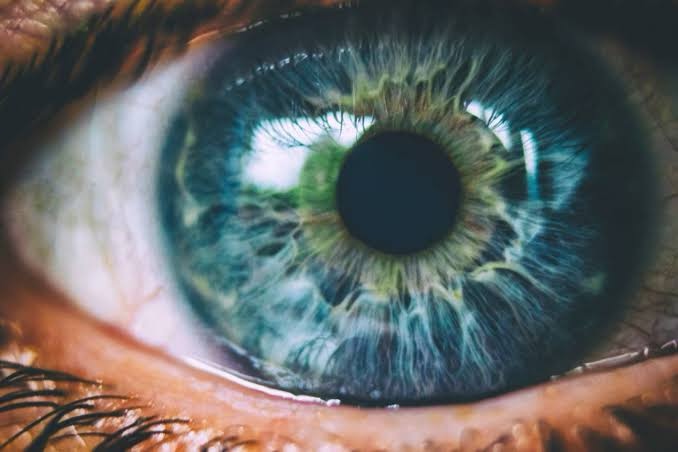
Discover the Mysteries Behind Green and Blue Eyes
The color of the eyes is a fascinating aspect of human biology. The OCA2 and HERC2 genes play a crucial role, influencing both pigmentation and the diversity of eye colors. In this article, we will explore how these genes affect eye color, particularly the shades of green and blue.
The Genetics of Eyes
As we delve into the intricate tapestry of heredity, we encounter two genes that play crucial roles in human eye color: OCA2 and HERC2. Thus, the color of the eyes, particularly the fascinating green and blue shades, is the result of a complex genetic dance.
The Role of OCA2
The OCA2 gene, located on chromosome 15, is fundamental in the production of melanin, the pigment responsible for the coloration of our features. Often, the presence of different variants of this gene can intensify or diminish the amount of melanin produced. In individuals with blue eyes, for example, a mutation in this gene results in a decrease in melanin production in their irises. Therefore, the absence of this pigment reveals a lighter palette, leading to the appearance of blue.
The Impact of HERC2
Meanwhile, the HERC2 gene acts as a regulator of OCA2. This gene contains a specific sequence that, when activated, can restrict the expression of OCA2, thus limiting melanin production. This explains why green eyes are often found in individuals who possess a variation of this genetic sequence. Thus, we observe how nature skillfully intertwines the threads of genetics and phenotypic expression.
As we delve deeper into the subtleties of eye color, we notice that the combination of OCA2 and HERC2 not only shapes individuality but also reveals the vastness of diversity within the human species. This diversity, in turn, connects to broader concepts such as environmental adaptation and cultural inheritance, elements that will be explored in the next chapter on how melanin defines eye color.
How Melanin Defines Eye Color
Mysteriously, human eye color is not just an aesthetic feature. Instead, it results from the complex interaction between genes and melanin. As we advance in our exploration of green and blue eyes, it is essential to understand the fundamental role of melanin. It, which is also responsible for the coloration of skin and hair, plays a crucial role in defining the ocular variations we observe throughout humanity.
The Biological Mechanisms
Eye color is determined by the presence and distribution of melanin in the iris. Essentially, the more melanin present, the darker the eye color will be. Brown eyes, for example, have a high concentration of melanin, while blue eyes result from low levels of this substance. Green eyes arise from a combination of melanin and a phenomenon called Rayleigh scattering, which also gives the sky its blue color.
This biological process is governed by several genes, with OCA2 and HERC2 being the most well-known. When the alleles of these genes are expressed, they form a palette that varies from light blue shades to deeper brown tones. Thus, the interaction between genetics and melanin is what creates the rich tapestry of colors in the population. The depth of this phenomenon becomes even more fascinating when we consider the peculiarities of each individual, as small genetic variations can yield visibly distinct results.
Cultural and Personal Impact
Eye color also carries deep cultural and personal significance. In many societies, light eyes, such as green and blue, are often associated with traits of beauty. This appreciation not only highlights ocular diversity but also raises questions about how aesthetic perception can be influenced by biological, cultural, and even social factors. Therefore, as we continue our captivating journey through human eyes, we are ready to explore the rarity of green eyes. This unique color brings with it fascinating stories and heritages worth discovering.
The Rarity of Green Eyes
As we venture into the fascinating world of eye color, we find a true hidden treasure: green eyes. This color is so rare that statistically, only a small fraction of the global population possesses this extraordinary feat. Understanding why this rarity exists invites us to explore the nuances of genetic inheritance and geographical distribution, revealing mysteries that go far beyond the surface.
Rarity and Statistics
The first factor that exacerbates the rarity of green eyes is the genetic mechanism that determines it. Only about 2% of people around the world have green eyes, which contrasts drastically with the legacy of brown eyes, which dominate over 55% of the population. The evolution of eye color has roots in the complex interaction between recessive and dominant genes. In contrast, green is often considered a rare variant of light brown eyes, involving a modification in the iris structure and light scattering.
Geographical Distribution and Inheritance
Geographically, green eyes are more common in certain regions of the world. In fact, most individuals with green eyes can be found in Europe, especially in countries like Ireland and Scotland. This phenomenon can be explained by the combination of genes that prevail in these regions and the history of migrations and intermarriages among populations. Moreover, the inheritance of green eyes may be influenced by ancestors who carried unique genetic traits through generations. This ancestral connection, while fascinating, demonstrates that green eyes are truly rare and precious, genuine jewels of nature.
In light of this impressive rarity, it becomes clear that eye color is more than just a physical trait; it is a reflection of the genetic complexity and history of our species. Just as we are about to explore changes in eye shades over time, the journey continues through this world of wonders that the human body can offer.
Changes in Eye Color Over Time
Eye color, often seen as a trademark of personality and beauty, can surprise by revealing itself mutable over a lifetime. From childhood to old age, green and blue eyes, so captivating at first glance, can undergo transformations that reflect not only physical changes but also the health status and age of an individual.
Factors Contributing to Changes in Eye Color
In the early years of life, many children are born with eyes that do not truly reveal the color they will have when they grow up. This occurs due to the presence of melanin, an essential pigment that, over time, accumulates and results in more definitive colors. Additionally, exposure to sunlight can influence the intensity of eye color. Light eyes, such as green and blue, tend to appear lighter in well-lit environments, while in low-light situations, they may appear darker.
Impact of Health and Age
As we age, changes in health can also play a role in the appearance of the eyes. Diseases such as cataracts can significantly alter the perception of eye color. Moreover, some medical conditions and the use of certain medications can lead to changes in eye color. For example, hormonal changes during pregnancy can temporarily alter them.
As we explore the fascinating world of eye colors, we realize that each change tells a story, reflecting the life experiences and health status of the bearer. Thus, as we await the demystification that awaits us in the next chapter, it is intriguing to think about how myths and truths surround the perception of light eyes.
Myths and Truths About Light Eyes
The stunning beauty of green and blue eyes has always fascinated humanity. However, many myths surround these colors. With the eyes nestled in their sockets, they carry not only the light reflected around them but also various beliefs and assumptions. As we move forward on this journey, let’s explore what is true and what is merely shadow in the twilight of misinformation.
Light Eyes and Personality
One of the most persistent myths is the connection between light eye color and people’s personalities. It is often believed that individuals with green and blue eyes are more seductive or mysterious. However, science states that there are no direct links. While genetic traits may influence appearance, personality is shaped by a myriad of factors, including environment and personal experiences.
The Origin of Light Eyes
Another intriguing topic is the origin of light eyes. Many people think this trait is simply a matter of genetic inheritance. In truth, light eyes result from a complex combination of several genes. What is fascinating is that, beyond genetics, the presence of melanin, or the lack thereof, plays a crucial role in the eye’s hue. This same principle has been observed in other beings, such as dolphins. Therefore, the next time you catch a light gaze, remember that it is not just a window to the soul but also a manifestation of a rich biological process.
Thus, as we demystify these beliefs, we understand that while light eyes may shine in a unique way, they are ultimately an expression of genetic diversity and individual history.
Conclusions…
The coloration of the eyes, especially the shades of green and blue, is an intriguing combination of genetics and biology. The OCA2 and HERC2 genes demonstrate how small adjustments in genetics can result in such different variations in human characteristics. Understanding these mechanisms not only appreciates the beauty in diversity but also enriches our knowledge of genetic inheritance. We hope this exploration has illuminated your curiosity about the eyes and their genetic mysteries.
Did You Know?
- What are the OCA2 and HERC2 genes?
The OCA2 and HERC2 genes are located on chromosome 15 and are responsible for the production of melanin, which determines eye color. - How does melanin affect eye color?
The amount and type of melanin present in the ocular tissues directly influence eye color, with lower amounts resulting in blue or green. - Are green eyes rarer than blue eyes?
Yes, green eyes are considered rarer, as they result from a specific combination of genetics that is not as common as blue eyes. - Can eye color change over a lifetime?
Yes, hormonal changes, diseases, and even aging can modify eye color in some people. - What determines if someone will have green or blue eyes?
The interaction between the OCA2 and HERC2 genes, along with other genetic factors, determines the final eye color. - Do green eyes have specific advantages?
Scientifically, there is no evidence that green eyes offer significant advantages compared to other eye colors. - What is the genetic inheritance related to eye color?
Eye color is a polygenic trait, meaning multiple genes are involved in its determination and inheritance. - Is it true that light eyes are more sensitive to light?
Yes, people with light eyes, such as blue or green, have less pigmentation and may be more sensitive to bright light.